
Selecting a camping tent for Singapore’s tropical climate requires balancing two opposing forces: torrential rainfall and intense, high-humidity heat. To stay dry and comfortable, you must look beyond generic marketing claims and focus on specific technical specifications. A reliable tropical tent requires a rainfly with a hydrostatic head rating of at least 1,500mm to 2,000mm, paired with a heavy-duty bathtub floor rated at 3,000mm or higher. However, waterproofing is only half the battle. Without a double-wall design and extensive mesh ventilation to facilitate continuous airflow, a highly waterproof tent will quickly transform into a humid, condensation-trapping sauna. Choosing the right shelter involves verifying these ratings, examining structural features like taped seams and full-coverage rainflies, and understanding how to maintain the tent’s protective coatings in a demanding equatorial environment.
Understanding Waterproof Ratings for Tropical Downpours
When shopping for a camping tent, the most critical metric of water resistance you will encounter is the Hydrostatic Head (HH) rating, typically measured in millimeters (mm). This rating indicates the pressure of water a fabric can withstand before moisture begins to penetrate the weave. For example, a 1,500mm rating means the tent fabric can support a 1,500-millimeter-tall column of water pressing against it before a single drop leaks through. In Singapore, where sudden tropical squalls can dump massive volumes of water in minutes, understanding these numbers is essential for safety and comfort.
Manufacturers classify fabrics into different tiers of water resistance based on these laboratory tests. Fabrics rated below 1,000mm are generally considered water-resistant rather than waterproof, suitable only for light drizzles or short-term shade. For reliable protection against standard tropical rain, a rainfly rating of 1,500mm to 2,000mm is the baseline standard. Tents designed for extreme weather or prolonged storms may feature ratings of 3,000mm to 5,000mm. While a higher rating offers greater peace of mind, it often comes with added weight and reduced fabric breathability, making it crucial to match the rating to your specific camping style.
Products mentioned in this guide
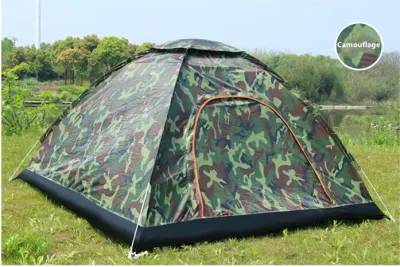
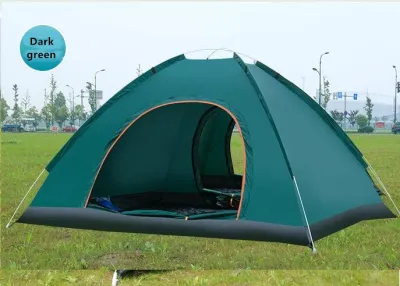
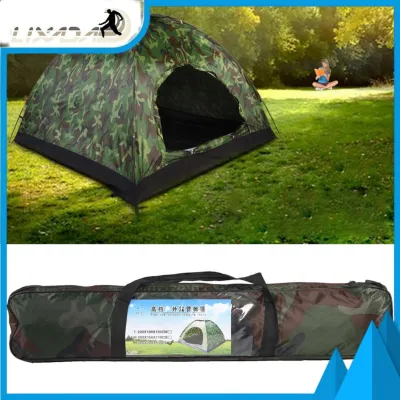
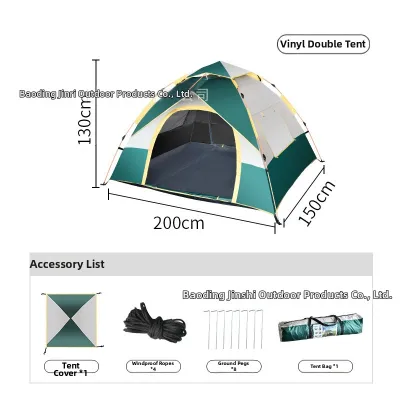
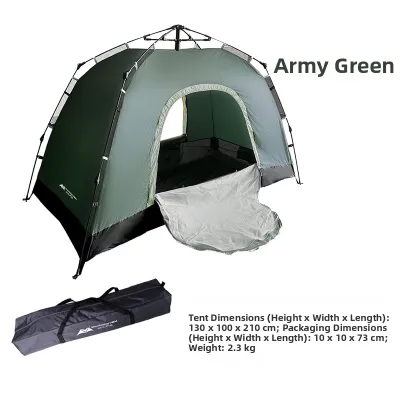
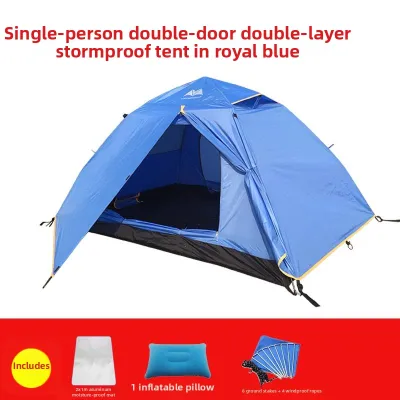
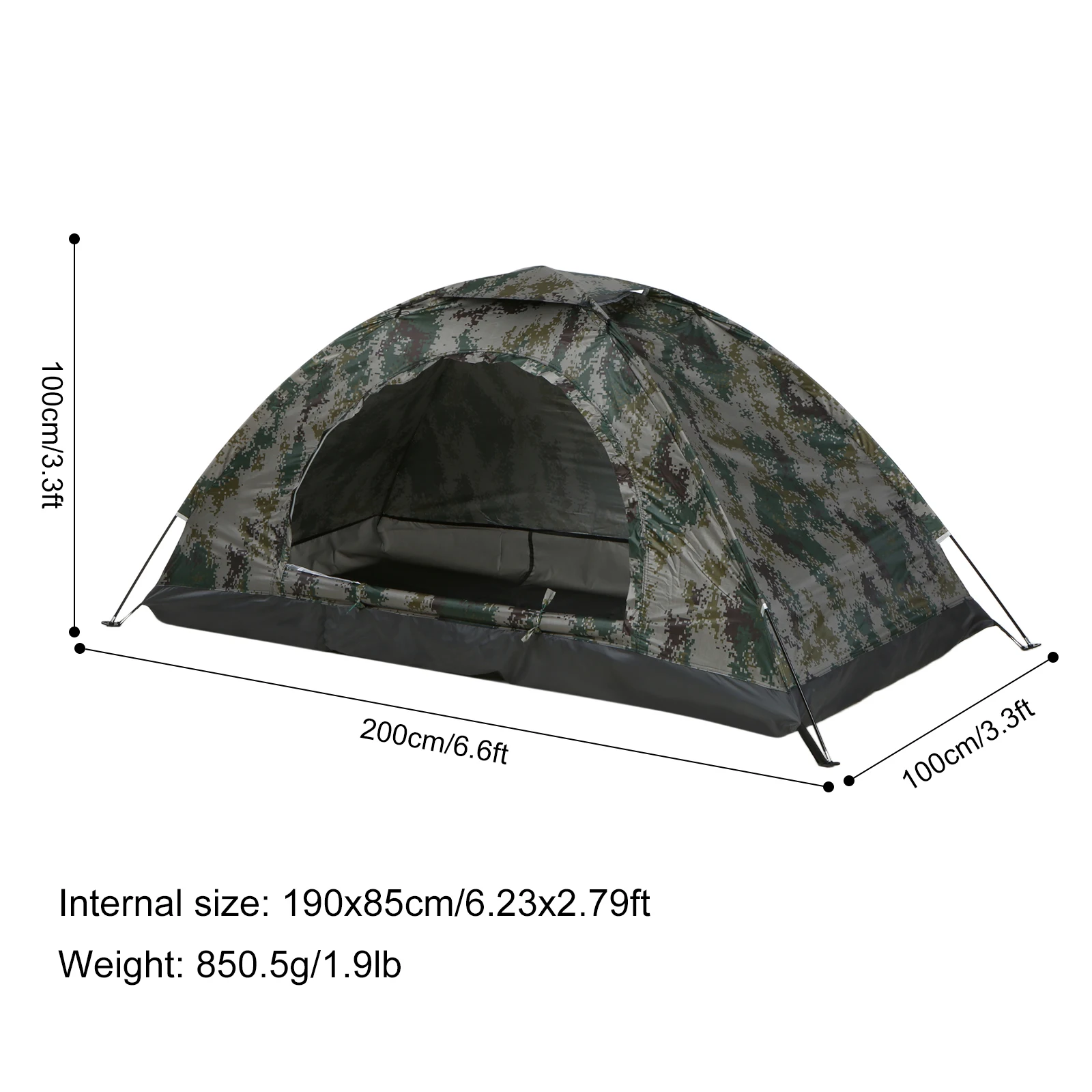
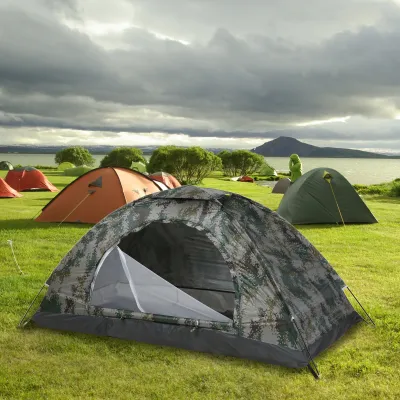
Prices are valid at publication and may change. Please refer to the product page for the latest price.
A common mistake is assuming a single waterproof rating applies to the entire tent. You must evaluate the rainfly and the tent floor as two distinct components with different rating requirements. While the rainfly only needs to shed falling rain, the tent floor must withstand the physical pressure of your body weight, sleeping pads, and gear pressing down on saturated ground. This pressure can easily force water through a low-rated fabric. Therefore, look for a bathtub floor with a rating of at least 3,000mm, even if the rainfly is rated lower. Checking these specifications individually on the product label ensures you do not end up with a damp sleeping area.
Balancing Waterproofing with Ventilation in High Humidity
In Singapore’s equatorial climate, humidity levels frequently exceed 80 percent, especially during overnight camping trips. This high moisture content in the air creates a significant challenge: internal condensation. When you sleep, your breath and body heat release moisture into the tent. If the tent fabric is highly waterproof but lacks adequate ventilation, this warm, moist air cannot escape. It hits the cooler fabric of the rainfly, condenses into water droplets, and eventually drips back down onto your sleeping bag, creating a self-inflicted indoor rainstorm.

To prevent this condensation cycle, you must prioritize tents with a double-wall construction. A double-wall tent consists of an inner tent body made largely of breathable mesh and a separate, waterproof outer rainfly. This design creates a physical buffer zone. Warm, humid air passes freely through the inner mesh wall and rises, while any condensation that forms on the underside of the outer rainfly trickles down the sides to the ground, keeping the inner living space dry. Single-wall tents, which combine the canopy and rainfly into a single layer, are generally unsuitable for tropical climates because they lack this ventilation gap.
When evaluating a tent’s ventilation features, look for adjustable roof vents, low-level ground vents, and dual-door configurations. Roof vents allow rising warm air to escape, while ground vents draw in cooler air from below, creating a chimney effect that drives continuous airflow. Large mesh panels on the inner tent doors and walls are also essential for catching cross-breezes. While maximizing airflow is critical, you must ensure that these ventilation features do not compromise the tent’s ability to shed water during a sudden downpour. Adjustable vents that can be securely propped open or zipped shut from the inside offer the best balance of protection and breathability.
Essential Tent Features for Singapore's Camping Conditions
Beyond fabric ratings and ventilation, several structural design elements determine how well a tent will perform during a tropical storm. The first feature to verify is a bathtub floor design. A bathtub floor uses a continuous piece of heavy-duty, highly waterproof fabric that wraps several inches up the sides of the tent before meeting the wall seams. This elevated seam design ensures that standing water or minor ground flooding cannot seep through the lower seams of the tent. When inspecting a tent, check that the floor material is durable and that the corner seams are elevated at least ten to fifteen centimeters off the ground.
Seam construction is another critical failure point during heavy rain. Even the most waterproof fabric will leak if water penetrates the needle holes created during manufacturing. Look for tents with fully taped or welded seams. Taped seams feature a waterproof polyurethane tape applied under heat and pressure to the inside of every seam, sealing the stitching holes. Welded seams, often found on premium models, fuse the fabric panels together molecularly, eliminating stitching entirely. Avoid tents that only feature “water-resistant” stitching without factory taping, as these will inevitably leak during a sustained downpour.
The coverage of the rainfly is equally vital when facing wind-driven rain. A partial-coverage rainfly only covers the top of the tent, leaving the lower fabric walls exposed to the elements. While this design allows for excellent ventilation, it offers poor protection against driving, lateral rain. For tropical camping, a full-coverage rainfly that extends all the way to the ground is highly recommended. This design creates a protective vestibule over the doors, providing a dry space to store muddy shoes and gear while preventing wind from forcing rain under the edges of the fly.
Finally, consider the structural stability of the tent poles. Sudden tropical squalls often bring strong gusts of wind that can deform or collapse a weak tent structure. Aluminum poles are generally preferred over fiberglass poles for their superior strength-to-weight ratio, flexibility, and durability. While fiberglass poles are common in budget-friendly tents, they are more prone to splintering or snapping under sudden wind loads. Check the manufacturer’s specifications for pole diameters and the number of intersection points; a dome or geodesic geometry with multiple crossing poles inherently offers better wind resistance than a simple tunnel design.
Evaluating Tent Brands and Making Your Selection
When comparing different tent brands, it is important to look past generic marketing buzzwords like “stormproof” or “all-weather” and focus on how the brand designs and tests its gear. Some manufacturers specifically design product lines for hot, humid climates, featuring high ratios of mesh to solid fabric on the inner tent. Look for brands that provide detailed specifications for both the rainfly and floor materials, rather than a single, vague waterproof rating. A reputable brand will also clearly state the materials used, such as polyester or nylon, and the type of coating applied, such as polyurethane (PU) or silicone. When budgeting for a reliable tropical tent, expect to invest between S$150 and S$400 for a model with high-quality aluminum poles and taped seams.
Warranty terms offer valuable insight into a brand’s confidence in its materials, particularly regarding the challenges of tropical environments. High humidity and intense ultraviolet (UV) radiation can accelerate the degradation of waterproof coatings and fabric fibers. Check if the brand’s warranty covers seam tape peeling, delamination of the polyurethane coating, or UV damage within a reasonable timeframe. Be aware that many standard warranties classify UV degradation as normal wear and tear, making it crucial to choose fabrics with built-in UV resistance if you plan to camp frequently in open, sunny areas.
Before making a purchase, filter user reviews on online marketplaces and outdoor forums for feedback from campers in Southeast Asia or similar tropical regions. Pay close attention to comments regarding how the tent handles overnight condensation, whether the seams hold up after multiple wet-dry cycles, and if the fabric shows signs of mold or mildew. Reviews from users in dry, temperate climates may praise a tent that would perform poorly in Singapore’s humid, rainy conditions. Real-world feedback from local campers is often the most reliable indicator of a tent’s true performance.
Maintenance and Drying Practices for Tropical Gear
Proper maintenance is essential for preserving the waterproof integrity of your tent and extending its lifespan in a humid climate. The golden rule of tent care is to never store a wet or damp tent. Packing away a damp tent, even for a few days, creates the perfect environment for mold, mildew, and a chemical process called hydrolysis. Hydrolysis occurs when moisture breaks down the polyurethane coating on the fabric, causing it to become sticky, flake off, and emit a distinct, sour odor. Once hydrolysis occurs, the waterproof barrier is permanently ruined.
After every camping trip, pitch your tent in a shaded, well-ventilated area at home to dry completely. Avoid leaving it in direct, intense sunlight for extended periods, as UV rays can weaken the synthetic fibers and degrade the waterproof coatings. Once the fabric is bone-dry to the touch, gently brush off any dirt or sand, wipe down the zippers, and store the tent loosely in a breathable mesh bag or a large pillowcase rather than stuffing it tightly into its original carry bag. This allows air to circulate and prevents the fabric coatings from sticking together.
Over time, the Durable Water Repellent (DWR) coating on the exterior of the rainfly will naturally wear off, causing water to saturate the fabric rather than bead up and roll off. You can check the DWR effectiveness by spraying a small amount of water onto the dry rainfly; if the water sinks in and darkens the fabric, it is time to reapply a DWR treatment. Always follow the specific application guidelines provided by the tent manufacturer, using a specialized spray-on or wash-in waterproofer designed for outdoor gear. If you notice severe, widespread peeling of the interior polyurethane coating or structural damage to the seams, stop DIY maintenance and consult the manufacturer or a professional repair service.
Frequently Asked Questions (FAQ)
Is a 3-season tent sufficient for camping in Singapore?
Yes, a well-ventilated 3-season tent is generally the most suitable option for camping in Singapore. These tents are designed to handle moderate rain, wind, and warm temperatures, featuring a high proportion of mesh panels that promote essential airflow in hot, humid conditions. In contrast, 4-season tents are designed for cold, snowy environments; they use heavy, solid fabrics with minimal mesh to trap body heat, which would make them unbearably hot and prone to severe condensation in a tropical climate. When choosing a 3-season model, simply verify that its waterproof ratings and structural features are robust enough to handle heavy tropical downpours.
How often should I re-waterproof my tent in a humid climate?
The frequency of re-waterproofing depends on how often you camp, how the tent is stored, and the environmental conditions it encounters. As a general guideline, perform a visual water-beading check once or twice a year, or before any major camping trip. If water stops beading on the rainfly and begins to soak into the fabric, or if you notice minor leaks along the seams, it is time to apply a fresh coat of DWR spray or seam sealer. Always clean the tent thoroughly and ensure it is completely dry before applying any aftermarket waterproofing treatments, and strictly follow the chemical manufacturer’s instructions to avoid damaging the fabric.

Community discussion
Share your experience or ask a question. Comments are reviewed before publication.