
A 2000mm or 3000mm waterproof rating on a tent for camping indicates the height of a theoretical column of water that the fabric can support before moisture begins to penetrate. Specifically, a 2000mm rating means the material can withstand the pressure of a 2,000-millimeter (two-meter) column of water, while a 3000mm rating handles a three-meter column. In practical terms, these ratings represent baseline levels of water resistance designed to keep you dry during typical rain showers, but they are only one part of a tent’s overall weather protection system.
When shopping for a tent for camping, relying solely on these numbers can lead to unexpected leaks. The hydrostatic head rating is a standardized laboratory measurement of fabric performance, not a guarantee of a dry night in a severe storm. To make an informed decision, campers must understand how these ratings translate to real-world weather conditions and how tent construction influences overall performance.
Understanding the Hydrostatic Head (HH) Measurement
The “mm” rating found on tent specifications refers to the Hydrostatic Head (HH) test, a standardized method used to measure the water pressure resistance of outdoor fabrics. During this laboratory test, a section of the tent fabric is pulled taut at the bottom of a graduated tube. Water is then poured into the tube, or pressure is mechanically applied, to increase the downward force on the material.
Products mentioned in this guide
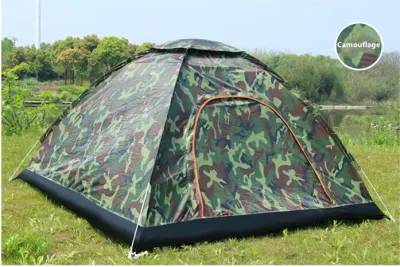
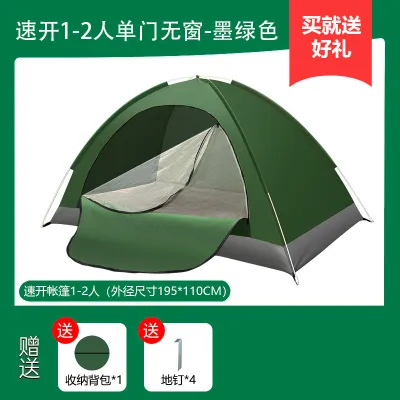
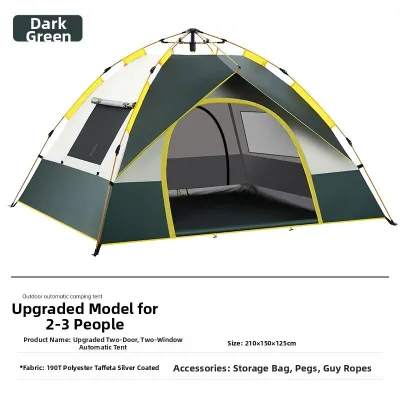
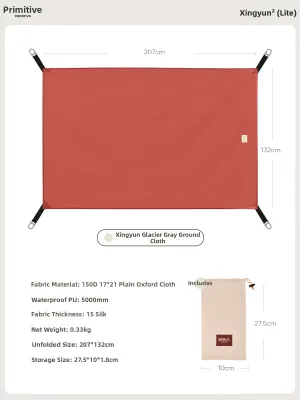
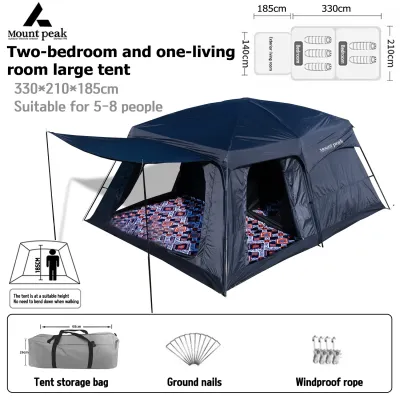
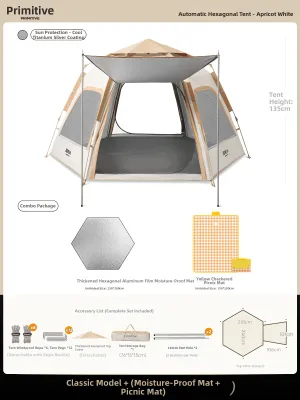
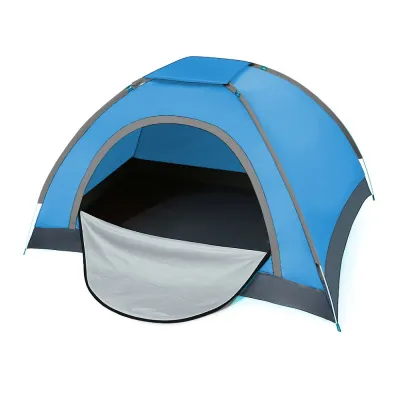
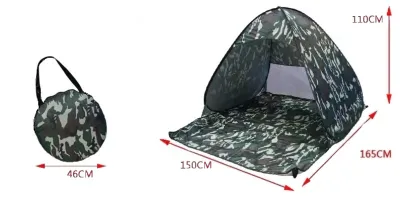
Prices are valid at publication and may change. Please refer to the product page for the latest price.
The test determines the exact height of the water column, measured in millimeters, at which water begins to seep through the fabric in three distinct places. For example, if a fabric resists penetration until the water column reaches 2,000 millimeters, it receives a 2000mm rating. This measurement specifically evaluates pressure resistance rather than the volume of rainfall the tent can handle over time.
While a higher hydrostatic head number indicates a fabric that can withstand greater pressure, it is important to recognize that this is a baseline metric for the raw material. The test is conducted on brand-new, flat pieces of fabric under controlled laboratory conditions. It does not account for the wear and tear of actual outdoor use, nor does it reflect how the fabric performs when stitched together to form a complete shelter.
Matching Waterproof Ratings to Real-World Weather
To choose the right tent for camping, you can use hydrostatic head ratings as a general guide to match your expected camping environment. Fabrics rated between 1000mm and 1500mm are typically suitable for mild summer camping where only light, intermittent showers are expected. These entry-level ratings provide basic protection but may struggle during sustained rainfall.

Ratings between 2000mm and 3000mm are widely considered the standard for reliable, multi-season recreational camping. A tent in this range is designed to handle steady rain and moderate storms without leaking. In regions prone to sudden, heavy downpours, opting for a 3000mm rating offers an extra layer of reassurance against intense rainfall.
However, real-world factors can quickly exceed the pressure limits of a fabric’s rating. High winds can drive rain against the tent walls with significant force, dramatically increasing the localized water pressure. Similarly, physical contact—such as gear leaning against the inner wall or a camper brushing against the fabric—can force moisture through the material at pressure levels lower than the rated limit.
Because of these variables, campers should look beyond the raw numbers and check the manufacturer’s specific usage recommendations. A tent designed and rated by the manufacturer for three-season use will often incorporate structural reinforcements that help the fabric maintain its water resistance under wind and rain pressure.
Critical Construction Features Beyond the Fabric Rating
A highly rated fabric is only effective if the tent’s construction prevents water from finding alternative entry points. The most common source of leaks in any tent for camping is not the fabric itself, but the seams. Every time a sewing machine needle punctures the fabric to join panels together, it leaves behind thousands of tiny holes that water can easily penetrate.
To prevent this, high-quality tents feature factory-sealed or taped seams, where a waterproof tape is thermally applied over the stitching on the inside of the rainfly. If a tent lacks taped seams, even a 5000mm fabric rating will not keep you dry. Campers should always verify whether a tent comes pre-taped or if they will need to apply a liquid seam sealer manually before their first trip.
The design of the rainfly and the tent floor also plays a critical role in weather protection. A full-coverage rainfly that extends all the way to the ground shields the inner tent body from wind-driven rain. Additionally, a bathtub-style floor—where the waterproof floor material wraps several inches up the sides of the tent before meeting the wall seams—prevents ground moisture and pooling water from seeping inside.
Finally, structural elements like zippers, doors, and ventilation ports require careful design to remain dry. Look for tents that feature wide storm flaps over all external zippers to shed water away from the openings. Well-designed ventilation ports should have stiffened hoods or awnings that allow essential airflow to prevent condensation while keeping rain out.
Choosing the Right Protection Level for Your Camping Needs
Selecting the ideal waterproof rating requires balancing your typical camping locations with the practical trade-offs of heavier coatings. If you primarily camp during dry, warm weekends, a lightweight tent with a 1500mm rating may be entirely sufficient and much easier to carry. For those planning longer trips where wet weather is highly likely, investing in a 2000mm or 3000mm tent provides necessary peace of mind.
However, higher waterproof ratings often come with trade-offs in weight and breathability. To achieve high hydrostatic head ratings, manufacturers apply thicker polyurethane coatings to the fabric. This extra layer adds weight to your pack and restricts airflow, which can lead to heavy condensation building up on the inside of the tent, making the interior damp even if no rain penetrates from the outside.
When evaluating options, consider the local market context. For instance, if you are purchasing gear in Singapore for regional tropical camping, prioritizing a tent with a 2000mm to 3000mm rainfly combined with large mesh ventilation panels is often more effective than choosing an airtight, heavily coated mountaineering tent. This combination manages both the heavy tropical downpours and the high humidity.
While a budget-friendly tent might save you money initially, investing an extra S$50 to S$100 in a model with factory-taped seams and a 2000mm rating can prevent ruined gear and uncomfortable nights. Before making a purchase, always inspect the product labels, care instructions, and warranty terms to understand how to clean, dry, and store your tent properly.
Frequently Asked Questions (FAQ)
Does a higher waterproof rating mean the tent will last longer?
No, a higher hydrostatic head rating does not guarantee a longer lifespan for your tent. The rating measures the fabric’s initial resistance to water pressure when new, not its durability against environmental wear. Long-term durability depends on the thickness of the fabric fibers (measured in denier), the quality of the polyurethane or silicone coating, and how well the material resists UV degradation from sunlight.
How can I check if my current tent is still waterproof?
You can evaluate your tent’s condition by performing a thorough visual inspection and a controlled water test at home. First, pitch the tent in a dry area and inspect the inner side of the rainfly for any signs of peeling, flaking, or stickiness, which indicate that the waterproof coating is degrading. Next, check the seam tape to ensure it is not lifting or cracking. To confirm performance, gently spray the pitched tent with a garden hose to simulate a rain shower, then check the interior for damp spots or dripping seams.

Community discussion
Share your experience or ask a question. Comments are reviewed before publication.