
When shopping for an outdoor tent, the technical specifications can quickly become overwhelming. Among these, the millimeter (mm) rating is one of the most critical yet misunderstood numbers you will encounter. This rating directly influences how well your shelter will protect you from wet weather, but choosing the right level of protection requires looking beyond the raw numbers.
Understanding how manufacturers measure fabric performance and how these ratings translate to real-world conditions is key to selecting the right gear. By evaluating your typical camping environment, the structural design of the tent, and essential construction details, you can find a shelter that keeps you dry without adding unnecessary weight to your pack.
What the "mm" Hydrostatic Head Rating Actually Means
The millimeter rating on a tent fly or floor refers to its hydrostatic head measurement, which is a standardized laboratory test used to determine water resistance. During this test, a column of water is placed over a piece of taut fabric, and the height of the water column is increased until water begins to penetrate the material. If a fabric can withstand a column of water 2,000 millimeters high before three drops pass through, it receives a 2,000mm rating.
Products mentioned in this guide
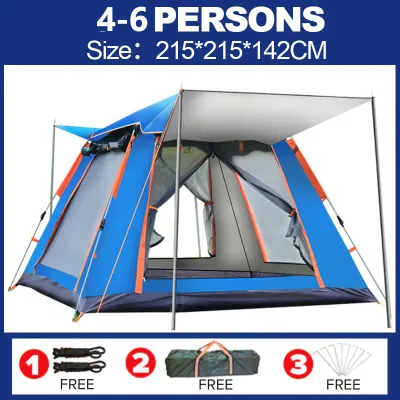
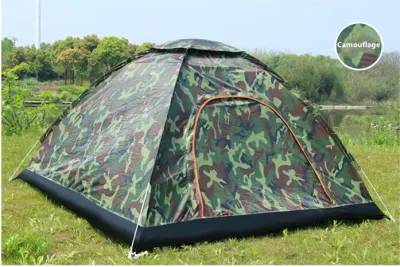
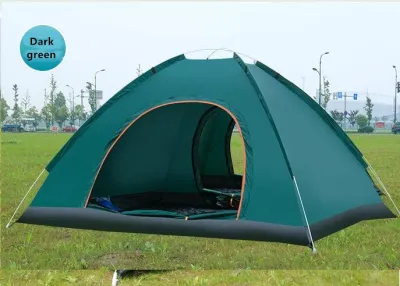
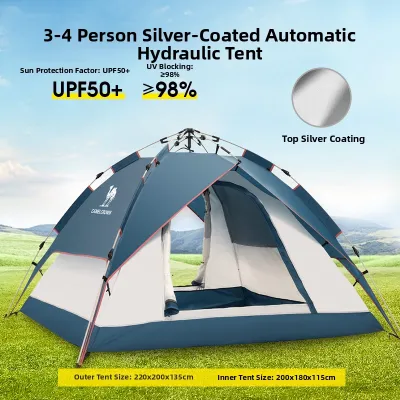
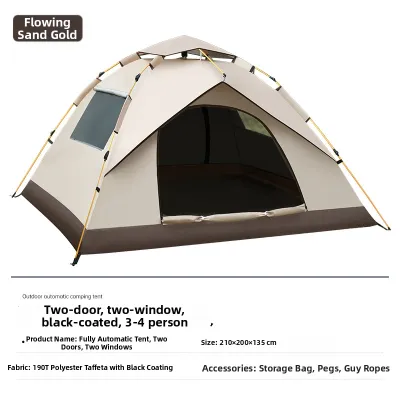
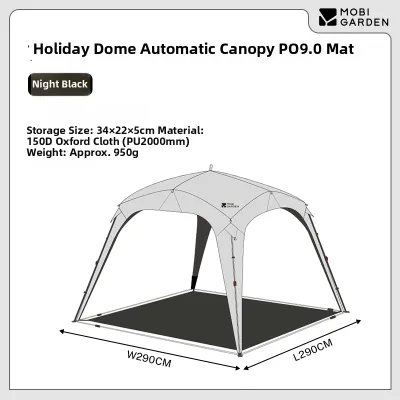
Prices are valid at publication and may change. Please refer to the product page for the latest price.
It is important to distinguish between different levels of moisture protection. Water-resistant fabrics can repel light moisture for a very short period but will eventually let water through under sustained exposure. Water-repellent materials are treated to make water bead up and roll off the surface, while fully waterproof fabrics are engineered with specialized coatings or membranes to block water penetration even under pressure.
However, a hydrostatic head rating only measures the capability of the raw fabric itself. It does not account for the physical stress points of a fully pitched tent, such as tensioned corners, zippers, or needle holes created during the sewing process. A high fabric rating is only effective if the overall construction of the tent is designed to prevent water entry at these vulnerable areas.
Translating mm Ratings to Real-World Weather Conditions
While there is no universal standard, manufacturer classifications generally align with specific weather scenarios. A rating of 1,000mm to 1,500mm is typically intended for mild summer camping, capable of handling light, intermittent drizzle but not prolonged storms. Tents rated between 1,500mm and 3,000mm are designed for three-season use, offering reliable protection against steady rain and moderate winds. Ratings exceeding 3,000mm are usually reserved for severe weather, heavy downpours, or winter conditions where snow accumulation and high winds exert continuous pressure on the fabric.

The floor of a tent requires a significantly higher hydrostatic head rating than the rainfly. When you sit, kneel, or place heavy gear on the tent floor, your body weight exerts high localized pressure on the fabric. If the ground underneath is saturated with water, this physical pressure can easily force moisture through a low-rated fabric. For this reason, many high-quality tents feature a floor rating of 3,000mm to 5,000mm or more, even if the rainfly is rated lower.
Choosing an extremely high waterproof rating also involves practical trade-offs. To achieve superior water resistance, manufacturers apply thicker polyurethane coatings or use heavier, more densely woven fabrics. This process increases the overall weight and packed size of the tent, which can be a major drawback for backpackers. Furthermore, heavy coatings restrict airflow through the fabric, which can lead to increased condensation inside the tent, making the interior feel damp even if no rain is leaking in.
Essential Waterproofing Features Beyond the Fabric Rating
A high fabric rating is meaningless if water can easily seep through the seams. Every line of stitching creates thousands of tiny needle holes that will leak under rain. High-quality tents feature factory-taped or sealed seams, where a waterproof tape is heat-applied over the interior stitching to block water. When evaluating a tent, verify whether the seams are fully taped, particularly along the floor and the rainfly.
Zippers are another common entry point for wind-driven rain. To combat this, look for tents equipped with wide storm flaps that fold over the zippers to deflect water. Some premium models utilize specialized water-resistant zippers that feature a polyurethane coating over the zipper teeth, providing a tighter seal against moisture without the need for bulky flaps.
Additionally, the exterior of the rainfly is typically treated with a Durable Water Repellent (DWR) coating. This chemical treatment works in tandem with the underlying waterproof membrane by causing rainwater to bead up and roll off the fabric. If the DWR coating wears off, the fabric will “wet out,” meaning it absorbs water and becomes heavy. While the inner coating may still prevent leaks, a wet-out fabric severely limits breathability and increases condensation inside the shelter.
How to Select the Right Tent for Your Specific Camping Needs
To choose the right tent, start by assessing your typical camping climate and expected weather conditions. If you primarily camp in warm, humid regions like Singapore, ventilation is just as critical as waterproofing. A tent with a moderate waterproof rating of 1,500mm and extensive mesh panels will keep you dry while allowing airflow to minimize condensation. Conversely, if you plan to camp in alpine environments or areas prone to sudden, heavy downpours, prioritizing a higher rating and a robust, wind-resistant structure is essential.
Always check the manufacturer’s specific usage recommendations rather than relying solely on the raw mm number. Manufacturers design tents with specific activities in mind, balancing weight, durability, and weather resistance. A backpacking tent will prioritize lightweight materials with moderate ratings, while a car camping tent can afford to use heavier, highly waterproof fabrics because weight is less of a concern.
Finally, consider using a separate groundsheet or custom-fit footprint. A footprint acts as a protective barrier between the tent floor and the ground, shielding the fabric from sharp rocks, twigs, and friction. Over time, abrasion can wear away the waterproof coating on the bottom of your tent. Using a footprint not only extends the lifespan of your tent’s waterproofing but also adds an extra layer of protection against rising ground moisture.
Frequently Asked Questions (FAQ)
Does a higher mm rating always mean a better tent?
No, a higher rating does not automatically make a tent superior. Highly waterproof coatings add significant weight and bulk, which can be disadvantageous for backpacking or long-distance trekking. Additionally, thick coatings reduce the breathability of the fabric, which can lead to excessive condensation buildup inside the tent in humid conditions. It is best to balance your waterproofing needs with the ventilation and portability required for your specific outdoor activity.
How can I check if my tent's waterproofing is still effective?
You can inspect your tent at home by looking for visual signs of wear. Check the interior of the rainfly and floor for peeling, flaking, or a sticky texture, which indicate that the polyurethane coating is degrading. Also, examine the seam tape to ensure it is not lifting or cracking. To test the fabric, pitch the tent in your yard and gently spray it with a garden hose; if the water beads up and rolls off, the DWR is still active. If the water saturates the fabric or leaks through, consult the manufacturer’s instructions for applying an aftermarket reproofing spray or seam sealer.

Community discussion
Share your experience or ask a question. Comments are reviewed before publication.