
Bringing a cardio machine into an HDB flat is an excellent way to maintain a fitness routine, but close neighbor proximity makes noise a critical consideration. Whether your workout disturbs neighbors downstairs or next door depends heavily on the machine type and how you manage its sound. While both treadmills and ellipticals generate noise, they do so in fundamentally different ways, meaning one requires far more mitigation than the other to keep the peace in high-density housing.
Understanding these sounds is the first step toward a harmonious home workout. By evaluating how noise travels through concrete floors and shared walls, you can make an informed purchase and set up your exercise space to minimize potential friction.
Understanding Cardio Machine Noise in High-Density Living
To address potential disturbances, you must first distinguish between airborne noise and structure-borne noise. Airborne noise refers to sounds that travel through the air, such as the hum of an electric motor, the whirring of a cooling fan, or the friction of a running belt sliding over a deck. While these sounds can be loud inside your workout room, standard concrete walls in HDB flats generally muffle them before they reach adjacent units.
Products mentioned in this guide
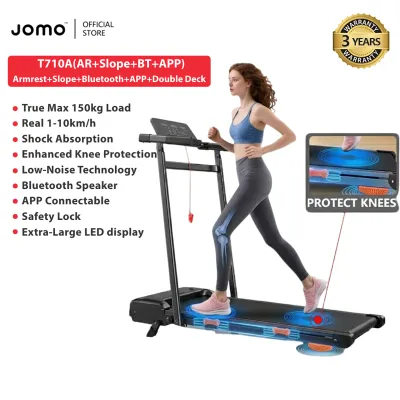

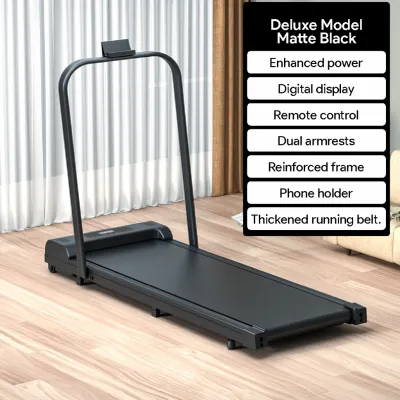
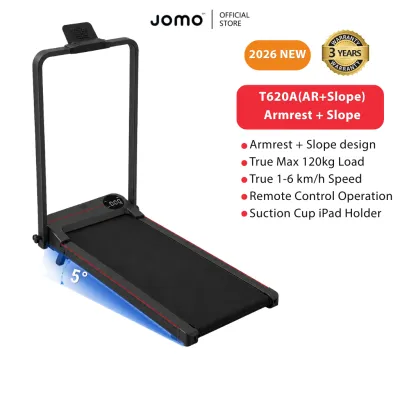

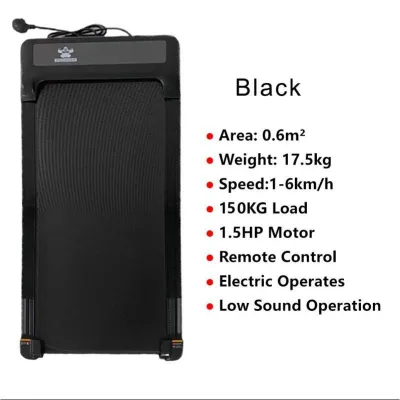
Prices are valid at publication and may change. Please refer to the product page for the latest price.
Structure-borne noise presents the primary challenge in multi-story residential buildings. This noise occurs when physical impacts transfer kinetic energy directly into the building’s structural frame. When you run on a treadmill, each footstrike sends a shockwave down through the machine’s frame and into the concrete floor slab. These low-frequency vibrations travel efficiently through walls and ceilings, often manifesting as a deep, repetitive thudding sound in the flat below.
The actual level of disturbance experienced by your neighbors depends on several variable factors. The age and structural design of your HDB block, the specific floor level, and even the layout of the flat below can influence how vibrations propagate. Additionally, individual sensitivity to noise varies greatly, meaning a sound that one neighbor barely notices might be highly disruptive to another, especially during early morning or late-night hours.
Treadmill Noise Profile: Impact and Motor Sound
A treadmill is typically the louder of the two machines due to the nature of running. The primary source of noise is the footstrike impact, which occurs every time your foot lands on the moving belt. Because running involves momentarily leaving the ground and landing with several times your body weight, the resulting kinetic energy transfers directly into the floor.

Beyond the impact of your feet, the treadmill’s mechanical components contribute to the overall noise profile. The electric motor hums continuously during operation, and the friction of the belt moving across the deck creates a steady, high-frequency swooshing sound. These sounds naturally increase in volume as you increase the speed or incline of the machine, and a heavier user weight will also cause the motor to work harder, resulting in a louder hum.
Before purchasing a treadmill, it is highly recommended to verify the manufacturer’s specifications regarding noise and shock absorption. Look for models that explicitly feature cushioned decks, elastomer shock absorbers, or specialized deck suspension systems designed to damp impact energy. Checking the motor’s decibel rating in the product manual can also give you a clearer indication of how loud the machine will run under normal operating conditions.
Elliptical Noise Profile: Fluid Motion and Mechanical Sound
An elliptical trainer offers a fundamentally different noise profile, making it an attractive option for HDB living. Because your feet never leave the pedals during an elliptical workout, there is virtually no footstrike impact. This continuous, low-impact motion eliminates the primary source of structure-borne vibrations, drastically reducing the likelihood of transmitting thudding sounds to the neighbors living below you.
The noise generated by an elliptical is almost entirely airborne and mechanical in nature. Most modern ellipticals utilize magnetic resistance systems, which operate quietly with minimal friction. The primary sounds you will hear are the gentle whirring of the internal flywheel and the sliding motion of the pedal tracks, both of which are easily contained within a closed room and are rarely loud enough to penetrate concrete walls.
However, ellipticals are not entirely silent, and their stability plays a major role in noise control. If a machine is placed on an uneven surface or if the user exceeds the recommended weight limit, the frame may rock or sway during vigorous workouts. This movement can cause squeaking, creaking, or rattling sounds, so it is essential to check the machine’s stability features and maximum weight capacity before making a decision.
Practical Noise and Vibration Mitigation for HDB Flats
If you decide to use a cardio machine at home, implementing practical mitigation strategies can significantly reduce the risk of neighbor complaints. The most effective first step is to invest in a high-density, heavy-duty anti-vibration mat. These mats, often made of dense rubber or specialized foam, are placed directly under the equipment’s footprint to absorb impact energy and decouple the machine from the concrete floor. Be sure to check the mat’s thickness and material specifications to ensure it is rated for the weight of your specific machine.
Where you place the machine within your HDB flat also makes a substantial difference. Avoid placing your treadmill or elliptical directly against shared walls, particularly those bordering a neighbor’s bedroom or living area. If possible, position the equipment in a utility room or over known structural load-bearing beams, which are stiffer and less prone to vibrating than the center of a floor slab.
Regular maintenance is another crucial factor in keeping your equipment quiet over time. Over weeks of use, bolts can loosen and belts can stretch, leading to avoidable squeaks, rattles, and mechanical friction. Periodically tightening all structural fasteners, lubricating the running belt or elliptical tracks according to the manufacturer’s instructions, and keeping the moving parts clean will prevent airborne noise from escalating.
Finally, managing the timing of your workouts is key to maintaining good neighbor relations. Respecting the standard HDB quiet hours—typically from 10:30 PM to 7:00 AM—is essential. If you plan to exercise close to these hours, consider having an open, polite conversation with your immediate neighbors to understand their schedules and agree on acceptable workout windows.
Choosing the Right Machine for Your HDB Home
Deciding between a treadmill and an elliptical ultimately requires balancing your personal fitness goals against the physical constraints of your living space. If your primary goal is training for an outdoor run or high-intensity road race, a treadmill remains the most direct tool, though it will require much more rigorous noise mitigation. If your goals focus on low-impact cardiovascular health, joint preservation, and maintaining a quiet household, an elliptical is generally the quieter and more neighbor-friendly choice.
Space constraints are another practical reality in modern HDB layouts. Many treadmills offer folding mechanisms that allow you to lift the deck when not in use, which can save valuable floor space. Ellipticals, while quieter, often have a larger, non-folding footprint that requires a permanent dedicated space, so you must carefully measure your room dimensions before purchasing.
If you are still uncertain about the potential noise impact, consider visiting a local showroom to test the machines in person and observe their sound levels firsthand. For those with severe space or noise limitations, exploring alternative low-impact cardio options—such as compact under-desk walking pads or resistance band workouts—can provide viable fitness alternatives without the risk of structural vibration.
Frequently Asked Questions (FAQ)
Are there specific HDB rules regarding treadmill usage?
While there are no explicit bans on owning or using a treadmill within an HDB flat, residents are expected to adhere to general community guidelines regarding noise and neighborly conduct. HDB advises residents to keep noise levels down, particularly during the designated quiet hours between 10:30 PM and 7:00 AM. If a machine causes persistent, unreasonable disturbance that disrupts a neighbor’s peace, it can lead to formal complaints, mediation through the Community Mediation Centre (CMC), or official warnings under public nuisance regulations.
Do anti-vibration mats completely eliminate treadmill noise?
No, anti-vibration mats do not completely eliminate treadmill noise, though they are highly effective at reducing it. A quality mat works by absorbing a significant portion of the structure-borne vibrations caused by footstrikes, preventing those vibrations from transferring into the concrete floor. However, the mat cannot block airborne sounds, such as the hum of the electric motor or the physical sound of your feet hitting the belt. To maximize noise reduction, you should combine a high-density mat with proper machine maintenance and mindful workout timing.

Community discussion
Share your experience or ask a question. Comments are reviewed before publication.