
Quick Answer: How to Identify Trusted Carabiner Brands
When selecting gear for vertical environments, identifying trusted carabiner brands is a matter of verifying objective safety standards rather than relying on marketing claims. No single manufacturer can claim to produce a universally “safest” carabiner tool. Instead, safety is a dynamic combination of certified manufacturing, correct application, and rigorous maintenance.
To determine if a carabiner tool is trustworthy, look past the brand logo and inspect the physical markings stamped into its spine. These markings provide verifiable proof of independent testing and load capacity. A trusted brand is one that consistently meets international safety standards, maintains transparent quality control, and provides clear usage guidelines for every piece of equipment they produce.
Ultimately, the safest carabiner is the one that is correctly rated for your specific climbing discipline, inspected before every use, and retired the moment it shows signs of wear. Equipment alone cannot eliminate risk, but choosing certified gear ensures your safety system is built on a foundation of proven engineering.
Products mentioned in this guide
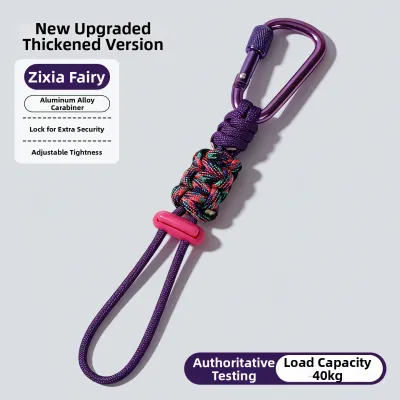
![[SG Stock] Carabiner Locking Screw Lock Biner Snap Keychain Bag Hook Aluminum Alloy Outdoor Camping Hiking](https://img.lazcdn.com/g/p/f7df1e5fcb0fd6af28660e14a5b7a86b.jpg_400x400q80.jpg_.webp)
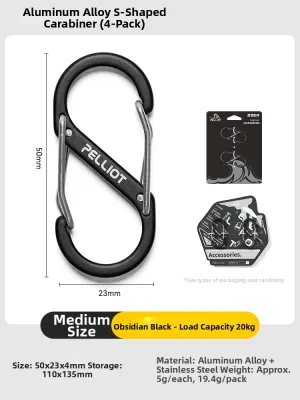
Prices are valid at publication and may change. Please refer to the product page for the latest price.
Safety Certifications to Verify on Your Carabiner Tool
To ensure a carabiner tool is safe for climbing, you must understand how to read the certification marks stamped directly onto its frame. These symbols are legal guarantees that the gear has undergone rigorous laboratory testing to withstand the forces of a climbing fall.

The first mark to look for is the CE (Conformité Européenne) logo, accompanied by a four-digit number. This number identifies the independent notified body that certified the manufacturer’s quality assurance system. For climbing equipment, the carabiner must comply with the EN 12275 standard, which specifies the safety requirements and test methods for connectors used in mountaineering and climbing.
In addition to the CE mark, look for the UIAA (International Climbing and Mountaineering Federation) safety label. The UIAA standard 121 often mirrors or exceeds European standards, requiring additional testing for durability and performance under stress. When a carabiner tool carries both the CE and UIAA markings, you can be confident it has been evaluated against the highest global safety benchmarks.
Beyond certification logos, the spine of a trusted carabiner tool must display its minimum breaking strength ratings. These ratings are measured in kilonewtons (kN), where one kilonewton represents approximately 100 kilograms of static force. You will find three distinct strength ratings stamped on the metal: the major axis strength, the minor axis strength, and the open-gate strength.
The major axis rating indicates the carabiner’s strength when loaded end-to-end with the gate fully closed and locked. For standard climbing use, this rating is typically 20 kN or higher. The minor axis rating, also known as cross-loading strength, measures the force the carabiner can handle when loaded sideways. This rating is significantly lower, often between 7 kN and 10 kN, highlighting why cross-loading must be avoided.
The open-gate rating is equally critical, representing the strength of the carabiner if a fall occurs while the gate is accidentally held open by a rope or rock feature. This rating is usually the lowest, often ranging from 7 kN to 9 kN. If any of these stamped ratings are missing, illegible, or faded due to wear, the carabiner must be retired immediately, regardless of the brand’s reputation.
Comparing Reputable Brands by Design and Intended Use
Reputable manufacturers design carabiner tools with specific climbing disciplines and environmental conditions in mind. Understanding these design variations allows you to compare different options and select the right tool for your specific climbing style, whether you are scaling indoor sport routes or navigating alpine ridges.
One of the primary distinctions in carabiner design is the locking mechanism. Locking carabiners feature a sleeve that secures the gate in the closed position, preventing accidental opening. These are essential for critical safety points, such as belaying, building anchors, and securing yourself to a master point. Common locking mechanisms include manual screwgates, which require you to manually spin a threaded sleeve, and auto-locking gates, which automatically snap shut and lock using spring-loaded or magnetic systems.
Non-locking carabiners are designed for quick, repetitive clipping and are primarily used in quickdraws or for carrying gear on your harness. These are divided into solid-gate and wiregate designs. Solid-gate carabiners are robust and offer a positive, tactile clipping action, making them popular for sport climbing. Wiregate carabiners use a loop of stainless steel wire instead of a solid aluminum gate, which significantly reduces weight and minimizes the risk of “gate flutter”—a phenomenon where the gate momentarily opens during a fall due to the vibration of the rope.
The physical shape of the carabiner tool also dictates its intended use. Pear-shaped or HMS carabiners feature a wide, symmetrical top basket designed to accommodate thick ropes, belay hitches, or multiple knots. Offset D-shaped carabiners, on the other hand, are designed to direct the load along the stronger major axis of the frame, offering an excellent strength-to-weight ratio. These are highly favored by trad and alpine climbers who need to carry a large volume of gear without being weighed down.
When comparing reputable brands, look at how they balance weight and durability. Manufacturers achieve lightweight designs through advanced techniques like hot forging, which allows them to shape the aluminum alloy precisely, removing excess metal from low-stress areas while reinforcing high-wear zones. However, extremely lightweight carabiners often have thinner frames that may wear down faster when subjected to the abrasive friction of dirty ropes or sharp bolt hangers.
Finally, brand trust is built on a foundation of consistent quality control and transparent communication. Reputable manufacturers source high-grade materials, such as aircraft-grade aluminum, and maintain strict batch-testing protocols. They also provide clear, accessible information regarding product recalls or safety notices. Before purchasing any gear, research the manufacturer’s history of safety transparency to ensure they actively support the climbing community with honest, timely updates.
Inspection and Retirement: Maintaining Carabiner Safety
Even the most trusted carabiner tool from a highly reputable manufacturer will eventually wear out and require retirement. Maintaining climbing safety is an ongoing process that relies on your ability to perform regular, detailed physical inspections of your gear, regardless of the brand name stamped on the spine.
A comprehensive inspection involves both visual and tactile checks. Begin by examining the gate action. The gate must open smoothly and snap shut completely under its own spring tension without sticking. If you are inspecting a locking carabiner, verify that the locking sleeve rotates or engages smoothly along the entire length of its threads or track. Any hesitation, sticking, or failure to close completely is a critical safety hazard.
Next, inspect the metal frame for physical wear and deformation. Pay close attention to the rope-bearing surfaces, such as the basket and the bottom curve. Over time, the friction of running ropes will wear grooves into the aluminum. A general safety standard is to retire any carabiner if the groove depth exceeds 10% of the original metal thickness, or if the wear has created sharp edges that could cut or abrade your rope.
Look closely for any signs of structural damage, such as hairline cracks, deep gouges, or bent frames. Cracks can develop after a severe impact, such as dropping the carabiner from a significant height onto a hard rock surface. While some minor surface scratches are normal cosmetic wear, deep gouges that compromise the structural integrity of the frame require immediate retirement of the tool.
Chemical contamination is another silent threat to aluminum climbing gear. Exposure to corrosive substances, such as car battery acid, household cleaners, or harsh solvents, can weaken the metal without leaving obvious visual signs. If your gear has been exposed to any unknown chemicals, or if you climb regularly in coastal environments where saltwater spray can accelerate corrosion, you must exercise extreme caution and retire any compromised equipment.
Proper maintenance can significantly extend the lifespan of your carabiner tools. Clean dirty or sandy gates by rinsing them in warm, clean water, using a soft brush to remove debris from the pivot mechanism. After washing, dry the gear thoroughly to prevent oxidation. You can apply a small drop of dry, wax-based lubricant to the gate pivot and locking mechanism, wiping away any excess to prevent dirt and grit from sticking to the moving parts.
Decision Framework: Choosing the Right Carabiner Tool
Selecting the right carabiner tool requires a structured approach that matches the equipment’s design to your specific climbing activities. By using a conditional decision framework, you can ensure that every connector in your safety system is optimized for its intended role, maximizing both safety and efficiency.
If your primary activity is belaying or constructing master anchors, you should choose a locking HMS or pear-shaped carabiner. The wide basket provides ample space for belay devices and rope movement, while the locking mechanism ensures the gate cannot be accidentally forced open. For belaying, consider a locking carabiner with an internal captive bar or clip that prevents the carabiner from rotating on your harness belay loop, eliminating the risk of dangerous cross-loading.
If you are building a rack for trad climbing or embarking on multi-pitch alpine routes, prioritize lightweight wiregate carabiners. Minimizing weight is crucial when carrying dozens of pieces of gear up a long route. Wiregates also perform exceptionally well in freezing alpine conditions, as they are less likely to freeze shut compared to solid-gate designs.
For sport climbing quickdraws, select robust, solid-gate carabiners featuring a keylock nose design. The keylock system replaces the traditional notch-and-pin gate closure with a smooth, interlocking interface. This prevents the nose of the carabiner from snagging on bolt hangers, wire cables, or slings during clips and cleans, making your climbing transitions smoother and safer.
Before finalizing your selection, perform a physical compatibility check. Ensure the carabiner tool fits cleanly through the attachment points of your belay device, the tie-in loops of your harness, and the bolt hangers you expect to encounter. A mismatch in size can lead to awkward positioning or dangerous leverage forces during a fall.
Always remember that purchasing certified, high-quality equipment is only the first step in managing climbing risks. No piece of gear, regardless of how advanced or highly rated, can replace comprehensive professional training, sound risk assessment, and sober judgment on the rock.
Frequently Asked Questions (FAQ)
Can I use a carabiner tool from a hardware store for climbing?
No, you must never use a utility carabiner or accessory clip from a hardware store for climbing, belaying, or any other life-support application. These utility clips are designed solely for light-duty tasks, such as holding keys, securing water bottles, or bundling light gear. They are manufactured without the rigorous quality control, high-strength aluminum alloys, or independent safety certifications required for climbing equipment.
Hardware store clips lack the structural design to withstand the dynamic forces generated during a climbing fall, which can easily exceed several kilonewtons. Using a non-certified utility clip in a safety system can lead to catastrophic structural failure. Always look for the explicit CE and UIAA climbing certifications stamped on the spine of any carabiner tool used for climbing.
Does a heavier carabiner mean it is safer?
No, a heavier carabiner does not automatically mean it is safer or stronger than a lighter model. Modern manufacturing techniques, such as hot forging, allow reputable brands to redistribute high-strength aluminum alloy precisely where it is needed to handle loads, while removing excess material from low-stress areas. This process creates exceptionally lightweight carabiners that meet or exceed the same safety standards as heavier, cold-forged models.
Instead of relying on physical weight to judge safety, you should always refer to the certified kilonewton (kN) ratings stamped on the carabiner’s spine. As long as a carabiner carries the CE and UIAA certifications and displays adequate major axis, minor axis, and open-gate strength ratings for your activity, it is fully safe to use, regardless of how light it feels in your hand.

Community discussion
Share your experience or ask a question. Comments are reviewed before publication.