
Selecting the right shuttlecock holder depends on whether you prioritize daily portability, high-volume stationary organization, or bulk transport for coaching and tournaments. Individual players typically benefit most from rigid tubes that fit inside a standard racket bag, while clubs and home training setups require stationary racks for easy access, and coaches or tournament organizers need heavy-duty, high-capacity bags. Choosing the wrong storage method can lead to crushed feathers, warped skirts, and wasted money, especially when managing delicate gear.
To make an informed decision, you must evaluate your playing frequency, transport habits, and storage environment. Protecting your investment in shuttlecocks—whether they are premium goose feathers or durable synthetic nylon—requires a storage solution that matches your specific badminton routine. By matching your holder to your usage profile, you can extend the lifespan of your shuttlecocks and ensure they perform consistently on the court.
Defining Your Shuttlecock Storage and Transport Needs
Evaluating your badminton routine is the first step in determining which shuttlecock holder design fits your lifestyle. Consider how often you play and how many shuttlecocks you typically consume in a single session. A casual player who meets friends once a week has vastly different storage requirements than a club administrator managing multiple courts or a coach running high-intensity training drills.
Products mentioned in this guide
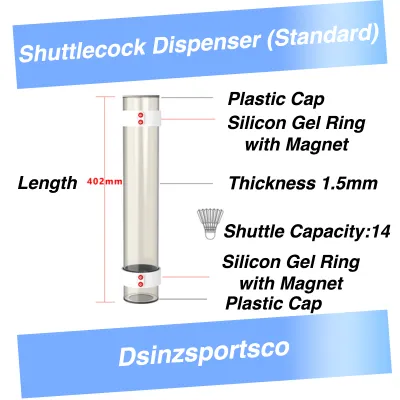
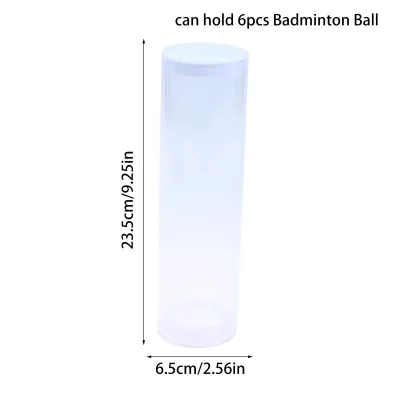
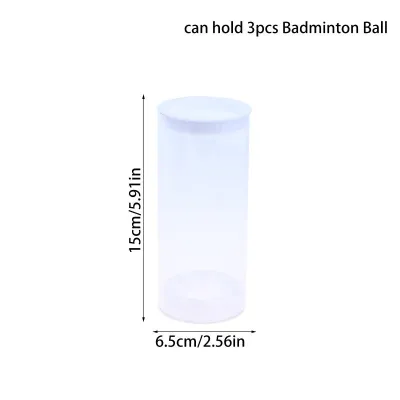
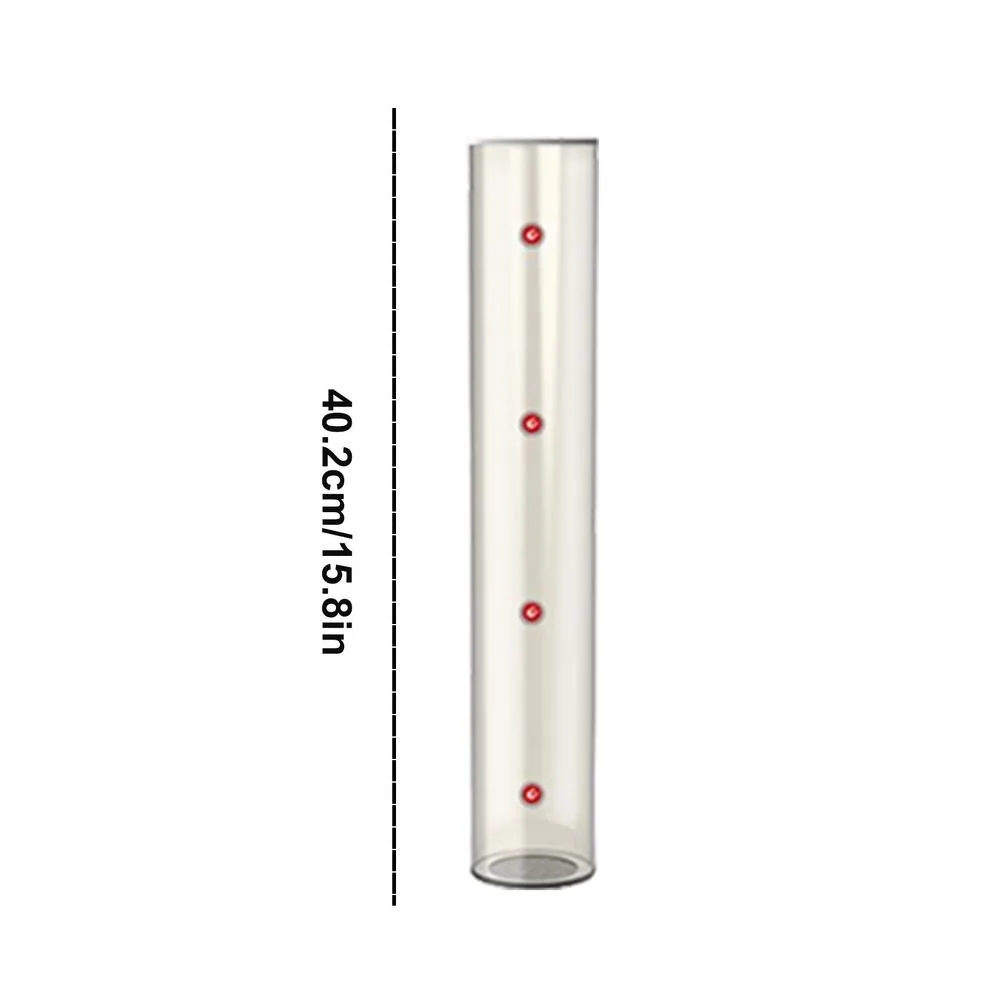
Prices are valid at publication and may change. Please refer to the product page for the latest price.
You must also account for local environmental factors that directly impact shuttlecock longevity. In tropical environments like Singapore, high humidity levels can affect the moisture content of feather shuttlecocks. While a moderate amount of moisture keeps feathers hydrated and prevents them from becoming brittle, excessive humidity or sudden exposure to rain during transit can weaken the glue and structure of the shuttlecock. Your storage solution must offer adequate protection against these environmental shifts.
Finally, consider the physical space constraints of your home or training facility. A large, floor-standing dispenser might be highly convenient for a dedicated sports hall, but it can quickly become an obstacle in a compact residential apartment. Before purchasing any holder, measure your available storage areas, assess your primary mode of transportation, and decide whether your priority is stationary organization or active, on-the-go protection.
Shuttlecock Tubes: Portable Protection for Individual Players
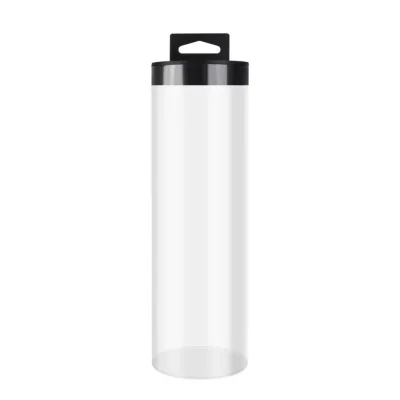
Tube-style shuttlecock holders are the standard choice for individual players who need to transport a small, manageable quantity of gear to the local court. Most commercial shuttlecocks are sold in cardboard or plastic sleeves, but aftermarket storage tubes offer enhanced durability and specialized features. These tubes typically hold a standard capacity of 12 shuttlecocks, which is generally sufficient for a few sessions of casual singles or doubles play.

When evaluating tube-style holders, pay close attention to the material specifications of the tube walls. Rigid plastic tubes offer excellent crush resistance, protecting the delicate feathers or nylon skirts from being compressed when packed tightly alongside heavy rackets. Some premium tubes feature internal foil linings or specialized end caps designed to help maintain a stable internal microclimate, shielding the contents from sudden temperature and humidity changes.
Portability is the primary advantage of the tube format, but you must still verify how it integrates with your existing gear. Check the dimensions of your current racket bag to ensure the tube can slide easily into the main compartment or a dedicated side pocket. If you commute to the sports hall via public transport or bicycle, look for tubes equipped with integrated shoulder straps or carabiner clips, which allow for hands-free carrying without requiring a larger gear bag.
Shuttlecock Racks: Organized Storage for Homes and Clubs
For home training setups, school sports departments, and badminton clubs, stationary shuttlecock racks offer an organized way to store and dispense equipment. These holders are designed to remain in one place, providing quick, one-handed access to shuttlecocks during multi-shuttle drills or continuous match play. They eliminate the need to constantly open and close individual tubes during a busy session.
Before purchasing a rack, verify its physical dimensions and footprint against your available shelf, wall, or floor space. Wall-mounted racks are excellent for saving floor space in tight equipment rooms, while freestanding floor models offer the flexibility to be positioned directly next to the court during practice. Ensure the mounting hardware or base design is robust enough to handle the weight of a fully loaded dispenser without tipping over.
It is also critical to check the orientation design of the rack to ensure it supports proper care guidelines. Feather shuttlecocks should generally be stored in a manner that does not put continuous pressure on the tips of the feathers, while synthetic models must be kept free from compression that could warp their nylon skirts. Look for racks that hold the shuttlecocks horizontally or utilize gravity-fed vertical columns that dispense from the bottom without crushing the units stacked above.
Shuttlecock Bags: High-Capacity Carry for Tournaments and Coaches
Coaches, tournament organizers, and advanced players who manage large training groups require the high-capacity transport capabilities of a dedicated shuttlecock bag. These specialized cases are designed to hold multiple tubes or dozens of loose shuttlecocks simultaneously, making them indispensable for transporting bulk supplies between different sports complexes and training venues.
Because a fully loaded shuttlecock bag can carry significant weight, carrying comfort is a primary specification to evaluate. Look for bags featuring wide, padded shoulder straps, ergonomic backpacks-style harnesses, or heavily reinforced carry handles that distribute the load evenly across your shoulders and back. High-quality stitching at the strap attachment points is essential to prevent tearing under the weight of multiple bulk tubes.
Internal compartmentalization is another key feature to verify before buying. A well-designed shuttlecock bag should feature adjustable dividers or dedicated cylindrical sleeves that keep individual tubes upright and secure during transit. This prevents the tubes from rolling around, colliding, and potentially damaging the shuttlecocks inside. Some bags also include separate compartments for storing accessory items like grip tape, scissors, and personal valuables.
Additionally, check the exterior material specifications to ensure your gear remains protected during outdoor transit. Look for water-resistant fabrics, such as high-denier nylon or polyester with a polyurethane coating, along with sealed zippers. These materials help prevent rainwater from seeping into the bag and ruining your feather shuttlecocks during a sudden downpour on your way to the court.
Choosing the Right Shuttlecock Holder for Your Profile
To finalize your decision, match your primary playing scenario to the most compatible holder format. If you are a casual player who hits the court once or twice a week, a single rigid tube with a secure cap is the most practical and cost-effective choice. For dedicated home enthusiasts who practice drills in the driveway or backyard, a compact wall-mounted rack keeps your space tidy and your gear ready for action.
Club managers and school coaches will find that a combination of storage solutions works best. A high-capacity shuttlecock bag is ideal for transporting bulk inventory to external tournaments, while stationary floor racks are perfect for daily court-side training sessions. When browsing online sports retailers or local pro shops, always check the product labels for verified capacity limits, exact physical dimensions, and material care instructions to ensure the product meets your standards.
Ultimately, investing in the right holder is about protecting your equipment and ensuring a consistent playing experience. By verifying the structural integrity, weather resistance, and capacity of your chosen holder, you can focus on improving your game on the court, confident that your shuttlecocks are stored safely and performing at their absolute best.
Frequently Asked Questions (FAQ)
How should I store feather shuttlecocks to prevent them from drying out?
To prevent feather shuttlecocks from becoming dry and brittle, store them in a cool, dark place with stable humidity levels. Avoid leaving them in direct sunlight, hot car trunks, or directly under air conditioning vents, as these environments rapidly strip moisture from the feathers. Always check the manufacturer’s storage guidelines on the packaging, and perform a quick visual check before play; if the feathers feel stiff or show signs of splitting, they may require humidification using a specialized tube humidifier or a damp sponge placed briefly near the end caps.
Can I use a standard sports bag instead of a dedicated shuttlecock case?
While you can place shuttlecock tubes inside a standard sports bag, using a generic bag without dedicated compartments increases the risk of damage. Standard bags lack the rigid structural support needed to prevent heavy items, like water bottles or rackets, from shifting and crushing your shuttlecock tubes. Furthermore, generic bags rarely offer the specialized thermal or moisture-resistant linings found in dedicated shuttlecock cases, leaving your gear vulnerable to humidity fluctuations and accidental water spills.
What is the best way to clean and maintain a shuttlecock rack?
To maintain a stationary shuttlecock rack, perform regular dusting using a dry microfiber cloth to prevent dirt and debris from transferring onto your clean shuttlecocks. Avoid using harsh chemical solvents, abrasive scrubbing pads, or excessive water, as these can degrade plastic coatings, rust metal joints, or warp wooden dispenser frames. Always refer to the manufacturer’s care label for specific material recommendations, and periodically inspect the rack’s mounting brackets or base screws to ensure the unit remains structurally stable.

Community discussion
Share your experience or ask a question. Comments are reviewed before publication.