
When you are packing your gear for a high-intensity workout in Singapore’s warm and humid climate, keeping your water ice-cold is often a top priority. While Tupperware is a household name celebrated for its durable, leak-proof, and lightweight plastic containers, dedicated sports water bottle brands are engineered specifically for long-term thermal performance. If your primary goal is to maintain icy temperatures during a long outdoor run or an extended gym session, a dedicated double-wall insulated bottle will generally outperform a standard single-wall plastic bottle. However, the ideal choice depends heavily on your specific workout environment, how far you have to carry your gear, and your personal hydration habits.
Understanding how different materials and construction methods handle heat transfer is the first step in choosing the right companion for your fitness routine. By comparing the underlying technology of traditional plastic bottles with modern insulated sports flasks, you can make an informed decision that keeps you hydrated without unnecessary hassle.
Understanding Insulation Technologies in Sports Bottles
To evaluate how well a bottle retains cold temperatures, you must first look at its physical construction. Single-wall bottles, whether made of plastic or metal, consist of a single layer of material separating your beverage from the outside air. Because there is no barrier to slow down heat transfer, the ambient temperature quickly warms the liquid inside, especially in warm tropical environments where the air temperature remains high throughout the day. Heat moves directly through the bottle’s material via conduction, rapidly melting any ice you have added.
Products mentioned in this guide
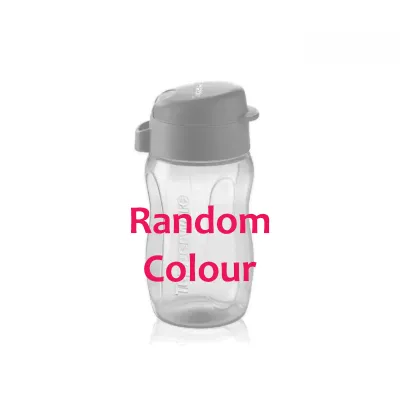
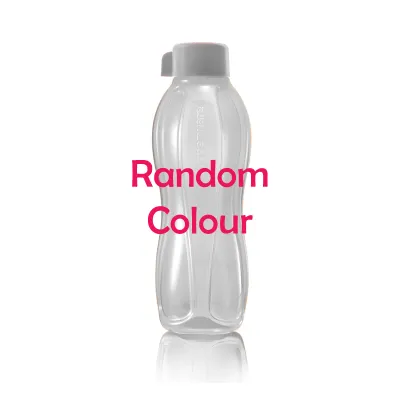
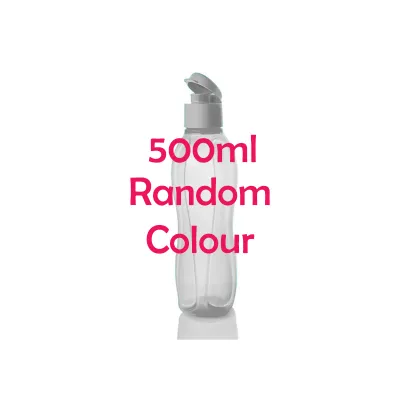
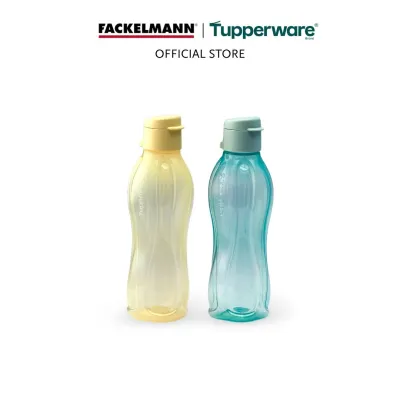
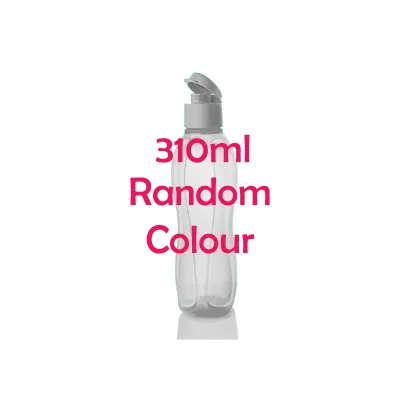
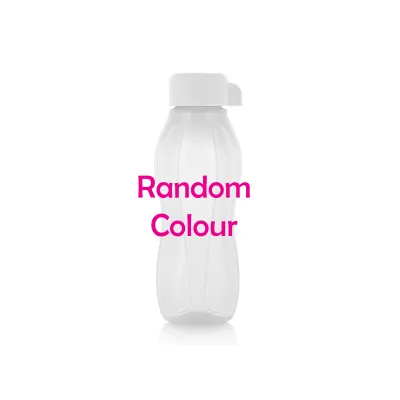
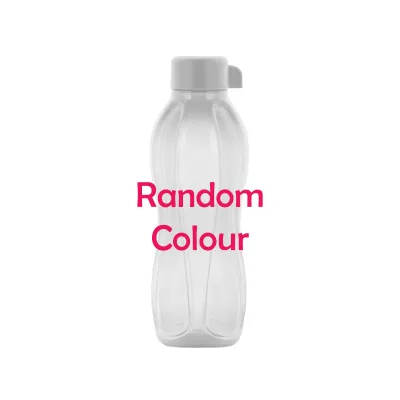
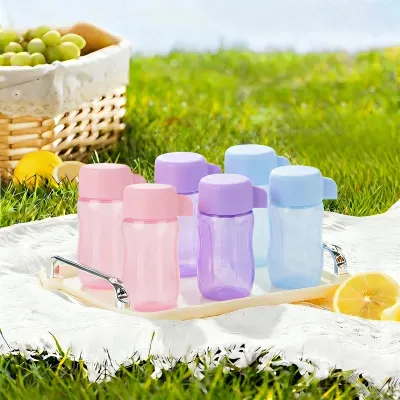
Prices are valid at publication and may change. Please refer to the product page for the latest price.
In contrast, double-wall vacuum insulation utilizes two separate walls—usually made of stainless steel—with a vacuum sealed between them. Because heat requires a physical medium to travel through conduction or convection, the vacuum layer acts as a highly effective barrier, preventing external heat from warming your cold drink. This design virtually eliminates heat transfer through the sides of the container, allowing the contents to remain cold for extended periods regardless of the external weather.
The design of the lid also plays a critical role in thermal performance. Lids with straws, flip-tops, or wide-mouth screw caps have different sealing mechanisms, and any uninsulated plastic area on the lid represents a potential pathway for heat to escape. A poorly sealed lid or one made of thin, uninsulated plastic can allow warm air to enter the bottle, significantly reducing the overall efficiency of an otherwise well-insulated container.
Another key visual and tactile indicator of a bottle’s construction is condensation, commonly referred to as sweating. When warm, humid air comes into contact with the cold exterior of a single-wall bottle, moisture in the air condenses into droplets on the surface. Double-wall vacuum bottles prevent this temperature transfer, keeping the outer surface dry, comfortable to hold, and safe to store alongside electronics or dry clothes in your gym bag.
Evaluating Tupperware Water Bottles for Workouts
Tupperware has built a global reputation on lightweight, highly durable, and virtually leak-proof food and beverage storage solutions. For active individuals, these bottles offer excellent portability, fitting easily into bicycle cages, backpack side pockets, or compact gym bags without adding significant base weight. The high-quality, BPA-free plastics used in their construction are designed to withstand accidental drops on various surfaces without cracking or leaking.

However, the vast majority of classic Tupperware water bottles are made of single-wall plastic. While these materials are exceptionally resilient against drops and daily wear, they offer minimal thermal resistance, meaning ice will melt rapidly when exposed to outdoor heat or non-air-conditioned fitness spaces. If you fill a standard plastic bottle with ice water before heading out, you may find that it reaches room temperature within an hour of exposure to warm outdoor conditions.
The lack of insulation also means that cold drinks will cause the bottle’s exterior to sweat profusely in humid climates. In Singapore’s high-humidity environment, this condensation can make the bottle slippery to grip during a sweaty workout and can easily soak other items inside your sports bag if not wrapped in a towel. This makes single-wall plastic bottles less ideal for scenarios where you need to keep your gear dry and your grip secure.
To address diverse consumer needs, the brand has expanded its product offerings over time to include various materials and designs. When shopping, it is essential to check the specific product labels, packaging, or official manufacturer specifications to verify if a particular model features double-wall construction or if it is a standard single-wall plastic design. Do not assume all bottles from a specific brand offer the same thermal properties.
How Dedicated Sports Brands Approach Cold Retention
Dedicated sports bottle brands focus heavily on engineering products that can withstand rugged outdoor use while keeping liquids cold for hours. The industry standard for these brands is double-wall vacuum-insulated stainless steel, which provides a robust thermal barrier against high ambient temperatures. These bottles are specifically designed for athletes who require reliable hydration during long training sessions under the sun.
While this construction is highly effective at maintaining cold temperatures, it introduces certain trade-offs that you must consider. Insulated stainless steel bottles have a much higher base weight than plastic alternatives, which can become noticeable during long runs, hikes, or commutes where every gram counts. Carrying a heavy metal bottle during an active sport can add unnecessary fatigue if you are already carrying a significant amount of gear.
Additionally, the complex manufacturing process of vacuum-sealing metal walls generally results in a higher retail price. You will need to decide if the superior thermal performance justifies the extra weight and the higher initial investment for your daily routine. For many, the convenience of having ice-cold water at the end of a grueling workout is well worth the additional cost.
One major benefit of these sports-focused designs is their sweat-proof exterior, often finished with a textured powder coating. This ensures that even during intense, high-perspiration workouts, the bottle remains dry and secure in your hand, reducing the risk of accidental drops on hard gym floors. The powder coating also adds an extra layer of durability, protecting the metal from scratches and dents during outdoor adventures.
Key Dimensions to Compare Before You Buy
When comparing options in-store or on an online marketplace, it is crucial to look past generic marketing buzzwords like “thermal” or “cool-keep” and verify the actual materials used. Look closely at the product specifications to confirm whether the bottle features true double-wall vacuum insulation or simply a thicker layer of plastic. Understanding the exact construction will help you avoid disappointment when testing the bottle’s performance.
Many manufacturers provide standardized testing claims on their packaging, indicating how many hours a bottle can keep liquids cold. When evaluating these claims, remember that laboratory testing conditions often differ from real-world use, where frequent opening of the lid and exposure to direct sunlight will accelerate temperature loss. Use these claims as a relative point of comparison rather than an absolute guarantee of real-world performance.
You should also weigh the upfront cost in S$ against the long-term durability and utility of the bottle. A premium insulated bottle might require a larger initial outlay, but its ability to keep water refreshing during outdoor activities in Singapore’s heat may offer better value over years of use compared to a basic plastic bottle. Consider how often you will use the bottle and whether cold water is a necessity or a luxury for your workouts.
Consider how the bottle’s physical dimensions and weight align with your carrying method. If you rely on a standard bicycle bottle cage or a specific pocket on your running vest, measure the bottle’s diameter and check its weight when fully filled to ensure a comfortable fit. A bottle that is too wide to fit in your cup holder or too heavy for your running belt will quickly become a burden, regardless of how well it insulates.
Making the Right Choice for Your Workout Routine
Your final decision should align with the duration of your typical workout and how you prefer to carry your hydration. If your exercise sessions are relatively short, take place in air-conditioned indoor studios, or if you have easy access to a chilled water dispenser for quick refills, a lightweight single-wall plastic bottle is highly practical and easy to transport. It allows you to stay hydrated without carrying unnecessary bulk or worrying about denting a metal container.
On the other hand, if you participate in long outdoor runs, beach volleyball, or extended training sessions where cold water is vital for cooling your core temperature, investing in a double-wall vacuum-insulated sports bottle is highly recommended. The weight penalty is a reasonable trade-off for having ice-cold water available hours into your workout. The psychological and physiological benefits of a cold drink during a hot workout can significantly improve your overall performance and comfort.
Before making a purchase, always verify if your specific gym, yoga studio, or local sports facility has strict rules regarding bottle materials. Some venues prohibit glass or heavy metal bottles on the workout floor to prevent damage to equipment or injury from drops, which might make a durable plastic option the mandatory choice. Checking these rules beforehand ensures that your new bottle will actually be allowed in the spaces where you train most often.
Frequently Asked Questions (FAQ)
Does Tupperware make double-wall insulated bottles?
While Tupperware is historically famous for its single-wall plastic designs, product lines and materials continue to evolve to meet changing consumer preferences. To find out if they currently offer double-wall insulated or thermal stainless steel models, you should check the official brand website or authorized local retailers for detailed product descriptions and material specifications. This ensures you get the most accurate and up-to-date information regarding their current product lineup.
How can I test my water bottle's insulation at home?
You can easily verify your bottle’s cold retention by performing a simple ice-water test at home. Fill the bottle with a mixture of ice and cold water, close the lid securely, and place it in a room with a stable temperature. Use a kitchen thermometer to measure the water temperature at the start, and then check it again after several hours to observe how much heat has entered the bottle. This practical test will give you a clear understanding of your bottle’s real-world performance.

Community discussion
Share your experience or ask a question. Comments are reviewed before publication.