
Selecting the right bike lock is not about finding a single, universally perfect security device. Instead, the ideal choice depends entirely on your specific cycling routine, where you park, and how much weight you are willing to carry. U-locks offer an excellent security-to-weight ratio when you have access to standard, dedicated bicycle racks. Chain locks provide the maximum flexibility needed to secure your frame to irregular anchors like thick lampposts or railings, though they come with a significant weight penalty. Folding locks prioritize compact portability, making them highly convenient for shorter, lower-risk stops where space on your frame is at a premium. To secure your bicycle effectively, you must evaluate your daily parking environments, your preferred carrying methods, and the local risk levels of your routes.
Understanding the Core Trade-Offs: Security, Weight, and Portability
Every bicycle lock represents a compromise between three competing factors: security, weight, and portability. Understanding this physical relationship is essential before you invest in any security system. As a general rule, higher security requires thicker, harder materials. Hardened steel shackles or chain links that resist manual bolt cutters must be thick—typically 13 millimeters or more—which inherently increases the overall weight of the lock. If a lock feels surprisingly light for its size, it likely uses thinner or less dense metals that offer minimal resistance to common hand tools.
How you carry your lock during your daily ride directly impacts your comfort and safety. A heavy lock stuffed into a backpack can cause back strain over long distances, while a poorly mounted lock on your frame can rattle, shift, or even interfere with your pedaling motion. Some cyclists prefer wearable chain locks that distribute weight around the hips, but this requires a secure, quick-release design to ensure safety in the event of a fall.
Products mentioned in this guide
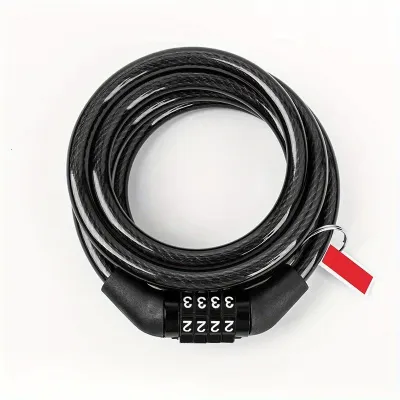
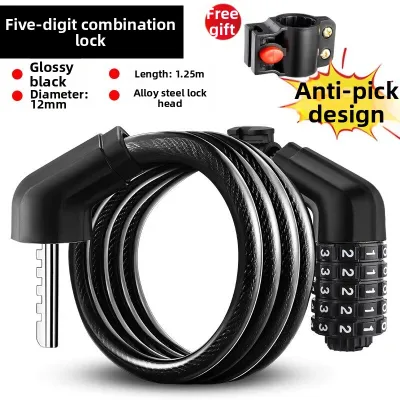
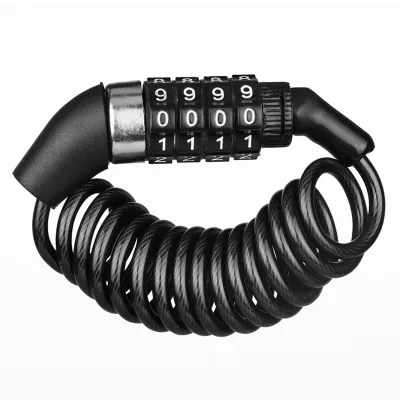
Prices are valid at publication and may change. Please refer to the product page for the latest price.
Anchor compatibility is another critical factor that dictates your lock choice. The shape and size of your lock determine what physical structures you can secure your bike to. A rigid lock with a small opening limits you to thin metal racks, whereas a flexible lock can wrap around wide concrete pillars, trees, or irregular street furniture. Before purchasing, observe the parking options along your regular routes to ensure your chosen lock shape matches the available anchors.
U-Locks: Evaluating Rigid Security for Predictable Parking
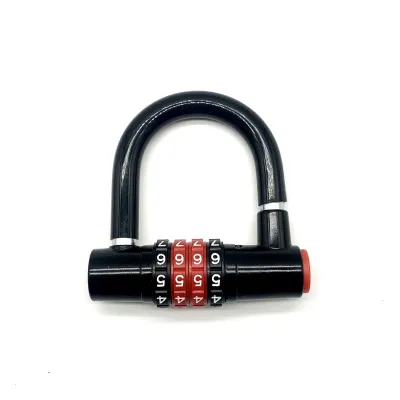
U-locks, also known as D-locks, are characterized by their rigid, solid-steel shackle design. This rigid structure is their greatest security asset, as it provides excellent resistance against leverage attacks, prying, and manual cutting tools. High-quality U-locks often feature a double-bolting mechanism, meaning the shackle locks into the crossbar at both ends. This design requires a thief to make two distinct cuts with an angle grinder or hacksaw to remove the lock, doubling the time and effort needed to steal the bicycle.

However, this rigid design also introduces clear physical limitations. Because a U-lock has fixed internal dimensions, you cannot stretch or bend it to fit around oversized anchors. If you attempt to lock your bike to a thick utility pole or a wide railing, the shackle may not close. Conversely, using a U-lock that is too large for the anchor leaves significant empty space inside the shackle. This empty space is a vulnerability, as it allows thieves to insert hydraulic jacks, crowbars, or other leverage tools to pop the lock open.
To maximize security and convenience, you must practice proper frame mounting. Most U-locks come with a mounting bracket that attaches to your bike’s frame tubes. When installing the bracket, position it within the main frame triangle where it will not interfere with your knees while pedaling or block your water bottle cages. Ensure the lock is tightly secured so it does not slide or swing into your spokes, steering column, or brake cables during a ride.
Chain Locks: Weighing Flexibility Against the Weight Penalty
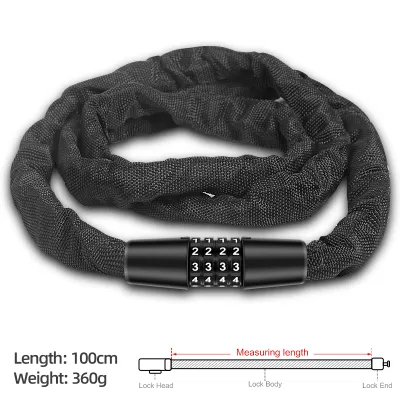
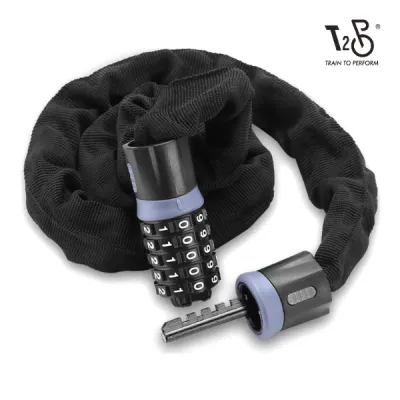
Chain locks consist of a series of hardened steel links covered by a heavy-duty fabric sleeve. The primary advantage of a chain lock is its wrapping flexibility, which allows you to secure your bicycle to almost any stationary object, regardless of its shape or thickness. When evaluating chain locks, pay close attention to the shape of the individual links. Square or hexagonal links are significantly harder for manual bolt cutters to grip and cut compared to traditional round links, as the cutting edges tend to slip off the angled surfaces.
The protective fabric sleeve is not just for aesthetics; it plays a crucial role in protecting your bicycle’s frame from scratches, paint chips, and structural damage. However, the physical toll of carrying a high-security chain lock can be substantial. A robust chain lock with thick links can easily weigh between 2 and 5 kilograms. Carrying this weight in a backpack can quickly become exhausting, while wrapping a heavy chain around your seatpost can alter your bicycle’s center of gravity, affecting your balance and handling on the road.
Despite the weight penalty, chain locks are highly effective in specific scenarios. They are the ideal choice if you regularly need to secure multiple bicycles together at a single stop or if your daily commute involves parking in areas without dedicated bicycle racks. The flexibility of a long chain allows you to reach around thick concrete pillars, wide railings, and other irregular structures that would be impossible to secure with a rigid U-lock.
Folding Locks: Assessing Compact Convenience for Quick Stops
Folding locks are constructed from a series of hardened steel plates joined together by rotating metal rivets. This design allows the lock to fold down into a highly compact, rectangular shape, offering a unique balance of decent security and exceptional portability. The structural reality of a folding lock, however, means that the pivoting joints are the most vulnerable points. While the steel plates themselves may resist cutting, the rivets can be targeted with specialized splitting tools or drills if they are not properly reinforced.
The standout benefit of a folding lock is its dedicated holster, which typically mounts directly to your frame’s bottle cage bosses or straps securely to the tubing. This holster keeps the lock tightly packed, silent, and completely out of the way while you ride, eliminating the rattling and shifting common with other lock types. For cyclists who value a clean, minimalist bike setup and do not want to carry a heavy bag, the folding lock is an incredibly convenient accessory.
Nevertheless, you must recognize the clear boundaries of folding lock security. Because of the inherent vulnerability of the pivoting joints, folding locks are generally not recommended for high-risk areas, overnight parking, or securing high-value electric bicycles. They are best utilized for quick daytime stops, low-risk suburban areas, or as a secondary lock to secure your front wheel or accessories while a stronger lock protects the main frame.
Matching the Lock Type to Your Daily Cycling Routine
To choose the right lock, you must match its physical characteristics to your specific daily routine, parking environments, and local risk factors.
Choose a U-lock if your daily commute involves parking at dedicated bicycle bays, such as those found at major MRT stations or modern office buildings. If you leave your bike unattended for several hours in predictable, well-lit areas with standard metal racks, a medium-to-large U-lock provides the best balance of high security and manageable weight.
Choose a chain lock if your routes take you through older housing estates, HDB void decks, or urban areas where dedicated bicycle racks are frequently full or non-existent. If you must regularly secure your bike to thick railings, lampposts, or multiple structures, the flexibility of a heavy chain is worth the extra physical effort required to carry it.
Choose a folding lock if your cycling routine primarily consists of leisure rides along the Park Connector Network (PCN), quick stops at local coffee shops, or short errands where your bike remains within your line of sight. The compact footprint and rattle-free frame mounting make it perfect for active riders who prioritize convenience and aerodynamics over maximum heavy-duty security.
For high-risk environments or extended parking, consider employing a two-lock strategy. Combining a primary U-lock to secure the frame and rear wheel with a secondary cable or folding lock to secure the front wheel forces a potential thief to carry and use multiple types of tools. This significantly increases the time and noise required to compromise your security, making your bike a much less appealing target. Always balance your security budget with the actual replacement cost of your bicycle; for example, securing a S$1,000 commuter bicycle warrants a much higher investment in premium, hardened locks than securing an older, budget-friendly utility bike.
Essential Specifications to Verify Before You Buy
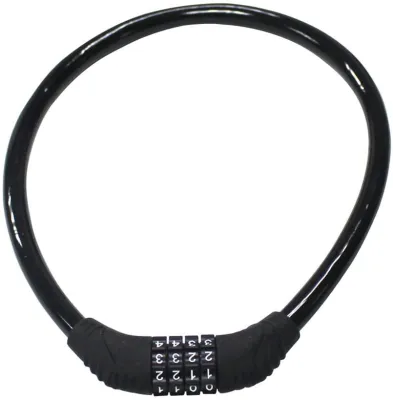
Once you have decided on the lock type that fits your routine, you must verify several key mechanical specifications before making a purchase. First, evaluate the locking mechanism itself. Keyed locks are generally more secure against brute-force attacks but require you to manage physical keys. Combination locks offer keyless convenience, but budget models can sometimes be decoded or bypassed physically, and forgetting your code can leave you stranded.
Next, inspect the lock for physical protective features. Look for integrated anti-drill plates protecting the key cylinder, which prevent thieves from quickly drilling out the locking mechanism. A built-in dust cover is also essential, especially for outdoor parking, as it prevents rain, road grime, and debris from entering the keyway and causing the lock to jam over time. Additionally, check if the manufacturer offers a key replacement service, which allows you to order duplicate keys using a unique registration code provided at purchase.
Finally, carefully read the manufacturer’s warranty terms and any associated anti-theft protection offers. Many brands advertise theft coverage, but these programs often require you to register your lock and bicycle online within a few weeks of purchase, provide proof of purchase, and submit a formal police report in the event of a theft. Understanding these administrative requirements beforehand ensures you do not accidentally invalidate your coverage.
Frequently Asked Questions (FAQ)
Is it necessary to use two different types of bike locks?
Using two different types of locks, such as a U-lock combined with a chain lock, is highly effective because it forces a thief to carry and use multiple specialized tools. For instance, a tool used to cut a thin folding lock joint may not work on a thick, hardened steel U-lock shackle. This dual-tool requirement significantly increases the time, effort, and noise needed to steal your bicycle, acting as a powerful visual deterrent. While a single high-quality lock is often sufficient for quick stops in low-risk areas, a two-lock strategy is highly recommended for overnight parking or high-theft zones.
How should I maintain my bike lock to prevent jamming?
Regular maintenance is essential to keep your lock operating smoothly and prevent the internal mechanism from seizing. Periodically inspect the keyway for dirt, sand, or road grime, and wipe down the shackle, chain links, or folding plates with a clean, dry cloth. To lubricate the locking cylinder, use a manufacturer-recommended dry Teflon or graphite lubricant. Avoid using wet oils, grease, or standard WD-40, as these substances attract dust and debris, eventually creating a sticky paste that can jam the internal pins. If the key becomes difficult to turn or the mechanism feels gritty, stop using the lock immediately and consult the manufacturer’s troubleshooting guide.

Community discussion
Share your experience or ask a question. Comments are reviewed before publication.