
When choosing an inflatable tent, the hydrostatic head (HH) rating serves as a primary indicator of how well the fabric resists water penetration under pressure. For campers navigating unpredictable weather, this rating helps determine whether a tent can withstand a sudden tropical downpour or if it is better suited for dry, clear conditions. However, a tent’s overall weather resistance depends on more than just a single number; it requires a balance of material design, structural integrity, and proper maintenance.
What Hydrostatic Head (HH) Actually Measures
The hydrostatic head rating is a standard measurement of a fabric’s water resistance, typically expressed in millimetres (mm). This number represents the height of a theoretical column of water that can be pressed against the fabric before moisture begins to penetrate the material. For example, a fabric rated at 3,000mm can withstand a three-metre column of water before leaking.
To determine this rating, manufacturers subject the tent fabric to a standardized test where water pressure is gradually increased until three drops of water penetrate the material. While a higher rating indicates greater resistance to water pressure, it does not automatically make a tent superior for every camping scenario. High HH ratings often require thick polyurethane coatings, which can add significant weight to the tent and reduce the fabric’s natural breathability.
Products mentioned in this guide
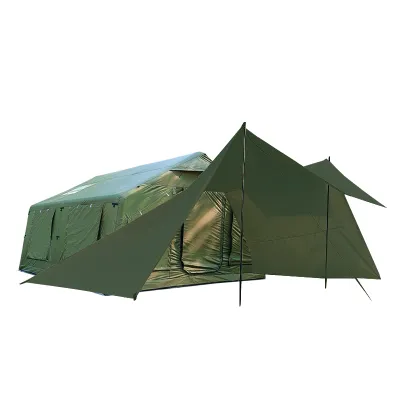
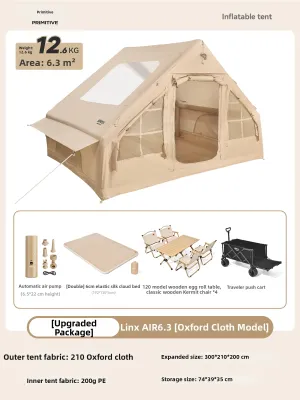
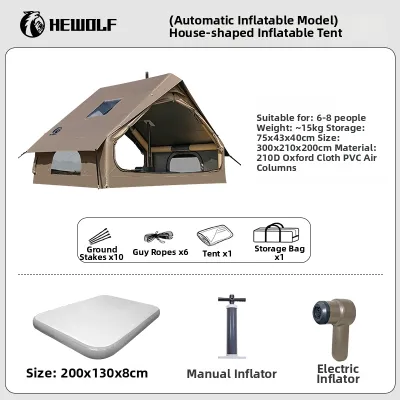
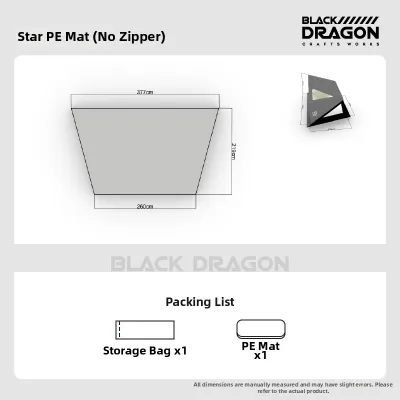
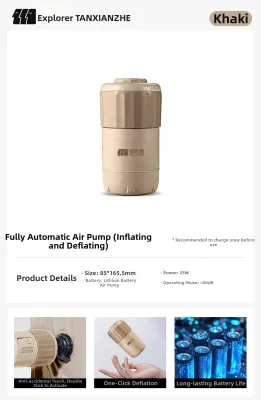
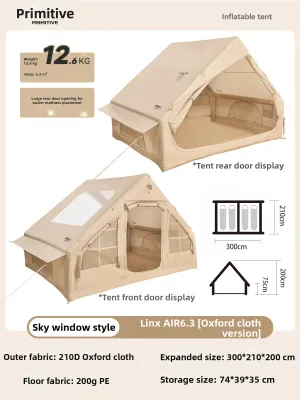
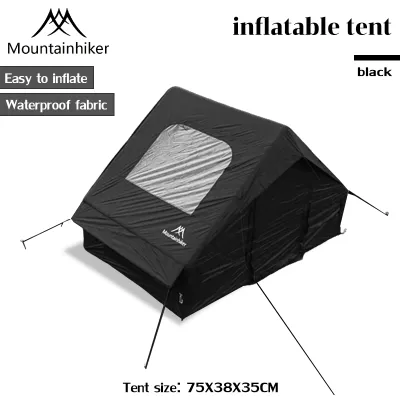
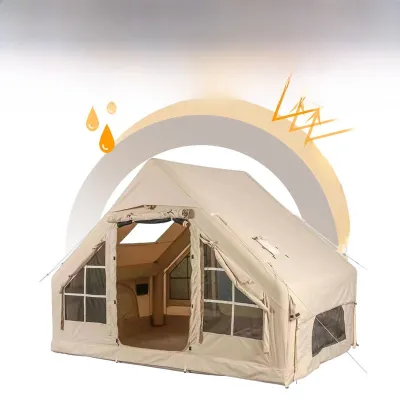
Prices are valid at publication and may change. Please refer to the product page for the latest price.
How HH Ratings Apply to Inflatable Tent Structures
Inflatable tents differ from traditional poled tents because they rely on pressurized air beams to maintain their structure. This design introduces different material zones that require distinct waterproofing considerations. When evaluating an inflatable tent, it is important to check the specifications for each component rather than relying on a single overall rating.

The main canopy or rainfly is your primary shield against falling rain, requiring a reliable HH rating to shed water effectively. The air beam sleeves—the protective casings that house the inflatable tubes—must also resist moisture to prevent water from pooling around the inflation valves or weighing down the structure.
The groundsheet requires the highest HH rating of all. When you step, kneel, or place heavy camping gear on the tent floor, you exert localized pressure on the damp ground beneath. This physical pressure can force water through a low-rated fabric. Therefore, groundsheets typically feature much higher HH ratings than the rainfly to prevent moisture from seeping upward under body weight.
Matching the HH Rating to Your Camping Conditions
Selecting the right HH rating requires analyzing your typical camping environment and weather patterns. For casual weekend camping in mild, dry climates with only occasional light drizzle, a modest HH rating is generally sufficient.
However, if you plan to camp in regions prone to intense weather, such as Singapore’s tropical climate, your requirements change significantly. Singapore experiences frequent, heavy monsoon rains and sudden afternoon downpours. In these conditions, a higher HH rating on both the flysheet and groundsheet is highly beneficial to prevent water ingress during sustained, high-volume rainfall.
At the same time, Singapore’s high humidity introduces a major challenge: condensation. If you choose an inflatable tent with an extremely high HH rating but poor ventilation, the thick waterproof coatings will trap your breath and body heat, causing moisture to condense on the inner walls. This can make the inside of your tent feel wet even if no rain is leaking through. Campers must balance a high waterproof rating with active ventilation features, such as mesh panels and adjustable vents, to maintain airflow.
In extreme weather conditions, such as severe tropical storms or high winds, even a high-rated tent cannot replace safety judgment. Campers should monitor local weather alerts and seek permanent shelter if conditions become hazardous.
Critical Waterproofing Features Beyond the HH Number
While the HH rating is a valuable benchmark, it only measures fabric performance in a controlled setting. Real-world waterproofing relies on several other critical design features.
Seams are the most common failure points in any tent. Even the highest-rated fabric will leak if the stitching is left exposed. Look for inflatable tents with factory-taped or heat-sealed seams, where a waterproof tape is applied over the stitching to block water entry.
The design and tension of the rainfly also play a vital role. A properly pitched rainfly ensures that water runs off the sides rather than pooling on flat surfaces. For inflatable tents, maintaining correct air pressure in the beams is essential to keep the rainfly taut and prevent sagging, which can lead to water accumulation.
Additionally, using a separate tent footprint adds an extra layer of protection beneath your groundsheet, shielding it from sharp rocks and reducing direct contact with wet soil. Finally, remember that factory-applied Durable Water Repellent (DWR) coatings degrade over time due to UV exposure, dirt, and friction. Regularly checking the outer fabric and reapplying a specialized tent waterproofing spray will maintain the fabric’s ability to bead water and protect your investment.
Frequently Asked Questions (FAQ)
Is a higher HH rating always better for an inflatable tent?
Not necessarily. While a higher HH rating offers superior resistance to heavy rain and water pressure, it often comes at the expense of breathability, weight, and pack size. Thicker waterproof coatings can trap warm, humid air inside the tent, leading to heavy condensation. For most campers, it is better to choose a rating that matches their expected weather conditions while prioritizing excellent ventilation and high-quality seam construction.
How do I know if my inflatable tent's waterproofing is failing?
You can identify failing waterproofing through a few simple checks. During rain, observe if water beads up and rolls off the outer fabric; if the fabric looks dark and saturated, the DWR coating has worn off. Inside the tent, look for damp patches on the walls, water dripping from the seams, or moisture seeping through the groundsheet when you apply pressure. If you notice these signs, it is time to clean the tent, re-tape the seams, or reapply a waterproof treatment.

Community discussion
Share your experience or ask a question. Comments are reviewed before publication.