
When shopping for a waterproof tent, you will frequently see specifications listed in millimeters (mm), often referred to as the hydrostatic head (HH) rating. This number is the primary indicator of a tent fabric’s resistance to water penetration, but it does not tell the whole story about how the shelter will perform in a storm. Understanding how this measurement is calculated and how it interacts with other design features is essential for interpreting product specifications and choosing a tent that offers adequate protection for your specific camping conditions.
In simple terms, the millimeter rating on a tent tells you how much water pressure the fabric can withstand before it starts to leak. For example, a fabric rated at 2,000mm can theoretically hold a 2,000-millimeter-tall column of water on its surface before any moisture seeps through. While this provides a helpful baseline for comparing different models, real-world performance depends on several external factors, including wind speed, pitching quality, and wear over time.
What Hydrostatic Head (mm) Actually Measures
The hydrostatic head test is a standardized laboratory procedure used to determine a fabric’s water resistance. During the test, a section of the tent fabric is pulled taut and clamped at the bottom of a vertical tube. Water is then poured into the tube, or pressurized mechanically, to simulate a rising column of water. Technicians watch the underside of the fabric closely to observe when water droplets begin to penetrate.
Products mentioned in this guide
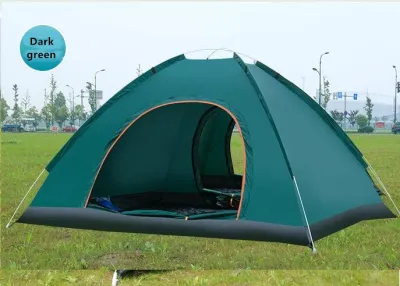
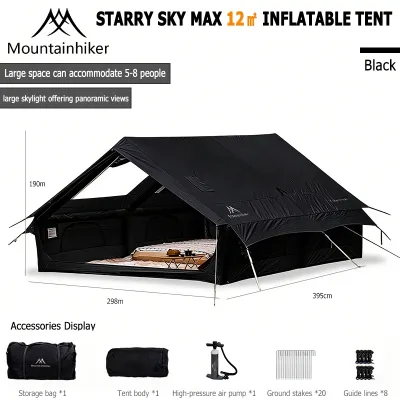
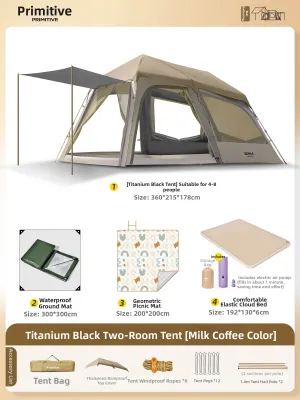
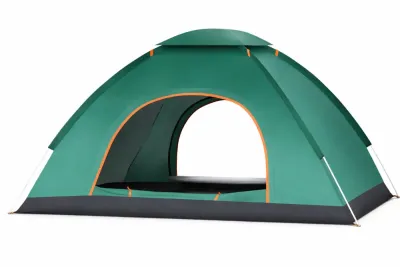
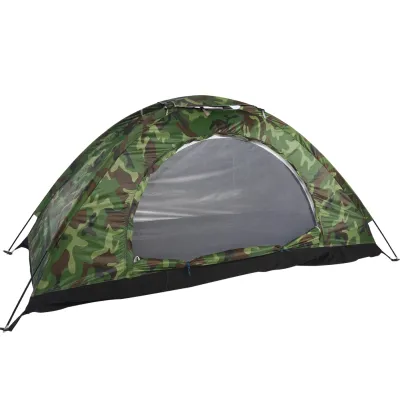
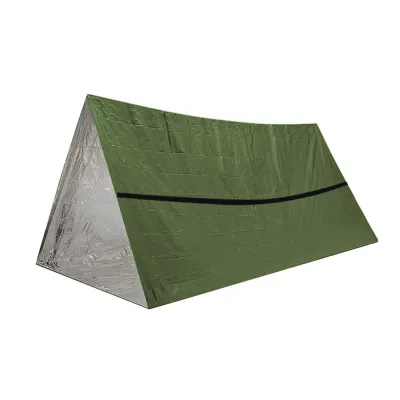
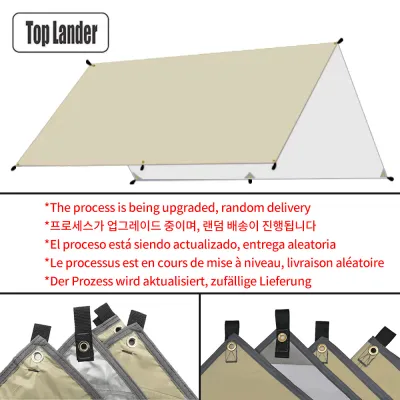
Prices are valid at publication and may change. Please refer to the product page for the latest price.
The measurement is expressed in millimeters because it directly corresponds to the height of the water column at the exact moment the fabric fails to hold back the moisture. A higher millimeter rating indicates that the fabric can withstand greater pressure. This pressure resistance is crucial because falling rain and wind exert physical force on the tent, which can push water through less resistant materials.
However, it is important to remember that this test occurs in a highly controlled, static environment. In the wild, rain rarely falls straight down without wind, and campers often put localized pressure on the fabric by leaning against the walls or kneeling on the floor. Therefore, the laboratory rating should be viewed as a comparative guide rather than an absolute guarantee of dry performance in all outdoor scenarios.
How to Read Waterproof Specs on Tent Labels
When browsing product specifications, you should look for separate ratings for the tent rainfly and the tent floor. The rainfly, which acts as the outer protective shell, is exposed to falling rain and wind. The floor, or groundsheet, faces a different set of challenges, as it must withstand the moisture saturated in the ground beneath you.

Because you sit, kneel, and sleep on the tent floor, your body weight exerts significant localized pressure on the fabric. This pressure can easily force ground moisture through a low-rated material. For this reason, manufacturers often design tent floors with a substantially higher hydrostatic head rating than the accompanying rainfly to prevent water from seeping through the bottom.
Beyond the numerical ratings, always check the product description for mentions of seam construction. Look for terms like “factory-taped seams” or “sealed seams.” Even the most highly rated waterproof fabric will let water in if the needle holes from the sewing process are left exposed. Additionally, check if the manufacturer specifies the testing standard used, as variations in testing protocols can influence the final rating.
Matching Tent Waterproof Ratings to Your Camping Conditions
To choose the right tent, you should consult the manufacturer’s specific guidelines to match numerical rating ranges to your expected weather conditions. Different regions and camping styles demand different levels of protection. For instance, camping in a tropical climate prone to sudden, heavy downpours requires a more robust setup than camping in an arid, dry environment.
Wind-driven rain can significantly increase the pressure exerted on your tent’s rainfly. A light shower might not penetrate a lower-rated fabric, but a sustained storm with high winds can force water through the weave. Furthermore, prolonged exposure to wet weather can saturate the outer fabric over time, making a higher rating more desirable for multi-day trips where the tent has no opportunity to dry out.
When planning your trip, assess the specific climate and season of your destination. If you are camping in warm, humid coastal areas, you must also balance waterproofing with ventilation. A highly waterproof tent with poor airflow will trap your breath and perspiration, causing heavy condensation on the inside walls that can easily be mistaken for a leak.
Beyond the Rating: Other Features That Keep You Dry
While the hydrostatic head rating is a critical specification, it is only one part of a comprehensive weather-protection system. Water is highly opportunistic and will find any weak point in your shelter. This is why high-quality seam taping and waterproof zippers, or protective zipper flaps, are essential to prevent water ingress at vulnerable junctions and entry points.
The way you pitch your tent also plays a massive role in how dry you stay. Proper pitching tension ensures that the rainfly is taut and positioned away from the inner tent body. If the fabric sags, water can pool in the creases, increasing the localized hydrostatic pressure and eventually causing a leak. A taut rainfly allows water to shed quickly and efficiently off the sides.
Finally, using a compatible tent footprint is highly recommended to protect your investment. A footprint is an additional ground cloth cut slightly smaller than your tent floor. It acts as a sacrificial barrier, protecting the floor fabric from abrasive rocks, roots, and dirt that can wear down the waterproof coating. It also prevents direct contact with wet ground, adding an extra layer of defense against moisture.
Frequently Asked Questions (FAQ)
Does a higher hydrostatic head rating mean a heavier tent?
Generally, yes. Achieving a higher hydrostatic head rating often requires using thicker, higher-denier fabrics or applying multiple layers of polyurethane (PU) coatings. These materials and coatings add physical weight and bulk to the packed tent. Backpackers who carry their gear over long distances must carefully balance the need for weather protection with their carrying capacity, whereas car campers can prioritize maximum water resistance without worrying about weight.
Can I re-waterproof a tent if its rating degrades over time?
Yes, you can restore a tent’s water resistance when it begins to degrade from UV exposure, dirt, and general wear. You can clean the fabric thoroughly with a tech wash, reapply a durable water repellent (DWR) spray to the exterior of the rainfly, and apply a liquid seam sealer to any peeling or worn seams. Always check the manufacturer’s care instructions to ensure you use compatible waterproofing products that will not damage the specific fabric or coatings of your tent.

Community discussion
Share your experience or ask a question. Comments are reviewed before publication.