
When choosing a beach tent, understanding waterproof ratings ensures you do not end up drenched during a sudden coastal downpour. The primary rating system used for tent fabrics is the millimeter (mm) hydrostatic head rating, which measures how much water pressure the material can withstand before leaking. While you might also see IPX ratings on some outdoor gear, these are generally reserved for electronic components rather than the tent canopy itself. Selecting the right level of protection involves balancing water resistance with ventilation to keep your beach shelter comfortable and dry.
Decoding Waterproof Ratings: IPX vs. Millimeters (mm)
To make an informed purchase, it is essential to distinguish between Ingress Protection (IPX) ratings and hydrostatic head (mm) ratings. These two systems measure entirely different types of resistance and apply to different parts of your outdoor gear.
An IPX rating is an international standard used to define the levels of sealing effectiveness of electrical enclosures against intrusion from moisture and water. For example, an IPX4 rating indicates protection against splashing water from any direction, while IPX7 means the item can withstand temporary immersion. In the context of beach tents, IPX ratings do not apply to the fabric canopy. Instead, you will only encounter them if your tent features integrated electronic accessories, such as built-in LED lighting systems, USB power ports, or solar-powered ventilation fans.
Products mentioned in this guide
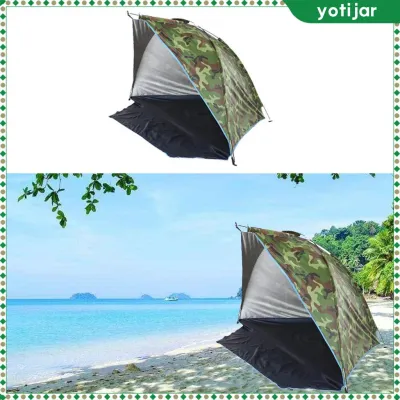
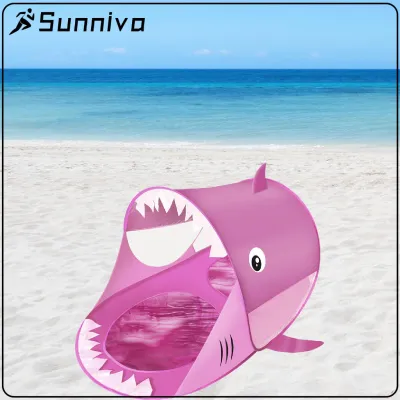
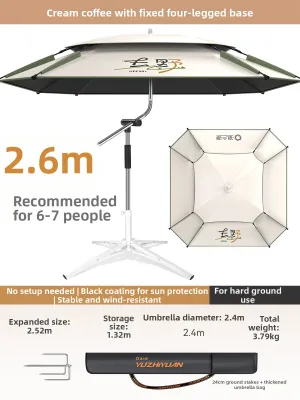
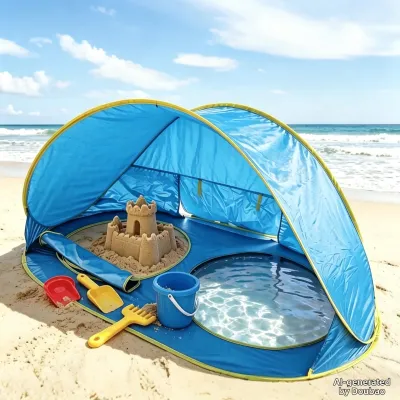
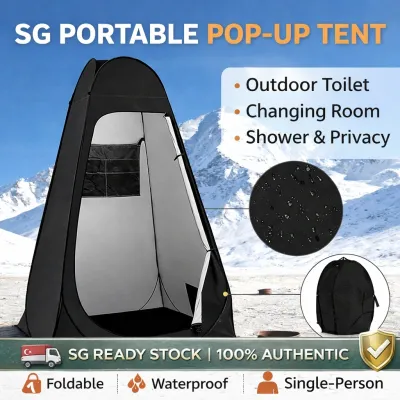
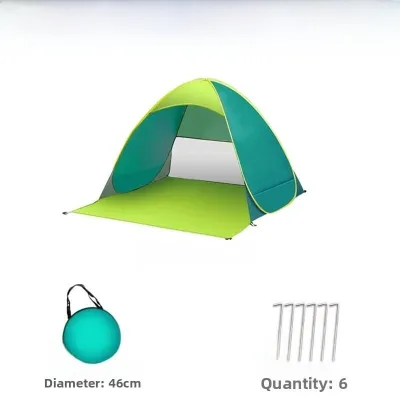
Prices are valid at publication and may change. Please refer to the product page for the latest price.
Conversely, the millimeter (mm) rating measures the hydrostatic head of a textile. This test determines the height of a water column that a fabric can support before water starts to penetrate the fibers. For instance, a fabric rated at 1,500mm can theoretically hold a 1,500-millimeter-tall column of water on its surface before any droplets seep through. Because beach tents are made of woven synthetic fabrics like polyester or nylon, the mm rating is the standard metric for evaluating how well the canopy will shield you from rain.
What Millimeter (mm) Ratings Actually Mean for Beach Tents
Fabric hydrostatic head ratings generally fall into several tiers, each indicating a different level of weather readiness. Light beach shelters designed primarily for sun protection often feature ratings between 400mm and 800mm, which are sufficient to repel light mist or brief, gentle drizzles but will quickly saturate under steady rain. Tents with ratings from 1,000mm to 1,500mm are considered moderately water-resistant and can handle typical coastal showers without immediate leaking. Fully waterproof fabrics, often rated at 2,000mm or higher, are engineered to withstand prolonged rainfall and heavier storms.

However, beach environments introduce unique variables that test these ratings. Strong coastal winds can drive rain horizontally against the tent fabric with significant force, effectively increasing the water pressure on the material. Additionally, if water pools on the flat roof or around the base of the tent, the constant contact increases the likelihood of moisture penetration. Therefore, a higher fabric rating becomes more valuable when you anticipate windy, unstable coastal weather.
Even the highest fabric rating cannot keep you dry if the tent’s construction is lacking. Water is far more likely to seep through needle holes along the seams than through the fabric itself. When evaluating a beach tent, look for factory-sealed or taped seams, which feature a waterproof tape heated and applied over the stitched lines. Zipper storm flaps and a “bathtub” floor design—where the waterproof floor material wraps several inches up the sides of the tent—are also critical features that prevent ground moisture and splashing rain from entering your shelter.
How to Choose the Right Water Protection for Your Beach Trip
In Singapore, coastal weather can transition rapidly from intense sunshine to sudden, heavy tropical downpours. If you frequently visit beaches like East Coast Park or Sentosa, a basic sunshade with minimal water resistance may leave you stranded when a sudden afternoon storm rolls in. For these conditions, selecting a beach tent with a fabric rating of at least 1,000mm to 1,500mm provides a reliable safety net, allowing you to wait out the rain in comfort.
Before purchasing a beach tent, establish a checklist to inspect the product specifications and physical design. Verify the hydrostatic head rating on the manufacturer’s label, and check whether the seams are described as taped or sealed. Examine the zippers to see if they are shielded by fabric flaps, and inspect the floor material to ensure it is thick and durable enough to resist water seepage from damp sand.
While high water resistance is beneficial, it must be balanced with adequate airflow. Heavily coated waterproof fabrics are less breathable, which can trap heat and humidity inside the tent on hot days. This trapped moisture condenses on the cool inner walls of the tent, creating an artificial drizzle inside. To prevent this, choose a tent that combines a waterproof canopy with large, mesh windows that can be zipped shut during rain, or one that features low-level ground vents to maintain continuous air circulation.
Maintaining Water Resistance Over Time
To preserve your beach tent’s factory-applied water-repellent properties, proper maintenance is essential. After a day at the beach, gently brush away sand and salt residue, which can act as abrasives and wear down the protective coatings. When cleaning is necessary, use a soft sponge and clean water; avoid harsh household detergents and never machine wash your tent, as the agitation and chemicals will strip away the durable water repellent (DWR) finish and damage the polyurethane backing.
Always ensure your tent is completely dry before packing it away for storage. Storing a damp tent in a humid environment encourages the growth of mold and mildew, which not only causes unpleasant odors but also chemically degrades the waterproof polyurethane coating, causing it to become sticky and peel off. Hang the tent in a shaded, well-ventilated area until every seam and corner is thoroughly dry.
Over time and with frequent exposure to UV rays and salt air, the original factory waterproofing will naturally degrade. You can check the manufacturer’s guidelines for recommended aftermarket waterproofing sprays or seam sealers. Periodically testing your tent’s water shedding ability at home and reapplying a compatible DWR treatment will help maintain its protective performance for many beach trips to come.
Frequently Asked Questions (FAQ)
Is a higher mm rating always better for a beach tent?
Not necessarily. While a higher mm rating offers superior rain protection, it often comes at the cost of increased fabric weight, reduced breathability, and a higher price point. For a beach tent, where sun protection and ventilation are the primary concerns, an excessively high rating can make the interior feel stuffy and hot. A moderate rating combined with good ventilation is usually the most practical choice for typical beach outings.
Can I use a standard camping tent on the beach for better waterproofing?
While a standard camping tent provides excellent waterproofing, it is often poorly suited for the beach. Camping tents typically lack the large mesh ventilation panels needed to stay cool in hot beach environments and may not have sand pockets or specialized stakes for anchoring in loose sand. Additionally, fine beach sand can easily clog the heavy-duty zippers and wear down the delicate fabrics of a high-end camping tent.

Community discussion
Share your experience or ask a question. Comments are reviewed before publication.