
Lanshan tents typically feature hydrostatic head (HH) ratings ranging from 1,500mm to over 5,000mm depending on the specific model, fabric thickness, and whether you are looking at the flysheet or the floor. However, understanding what these numbers mean in practice requires looking beyond the factory specifications to real-world pitching techniques, weather conditions, and regular maintenance.
Identifying Your Specific Lanshan Tent Model and Rating
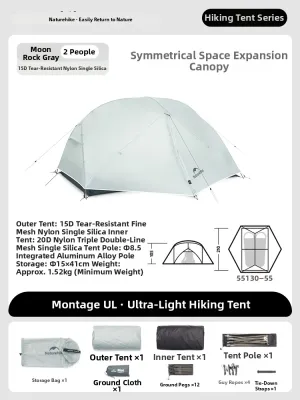
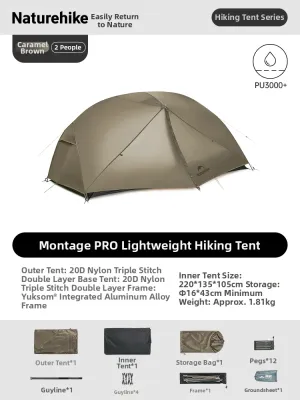
Lanshan tents come in several variations, most notably the standard double-wall Lanshan and the single-wall Lanshan Pro. These models use different fabrics, such as 15D or 20D silicone-coated nylon (silnylon) or 210T polyurethane-coated polyester, which directly impacts their waterproof ratings.
To find the exact rating for your specific tent, check the product tag sewn into the storage bag, the original packaging, or the manufacturer’s official specification sheet. Because manufacturers update fabric coatings and denier ratings across different production years, verifying your specific batch is the most reliable way to confirm its factory rating.
Products mentioned in this guide
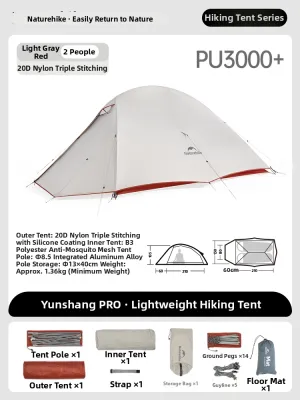
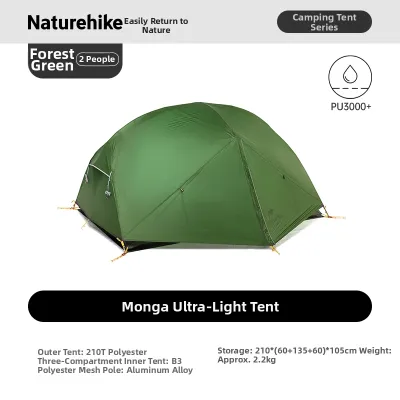
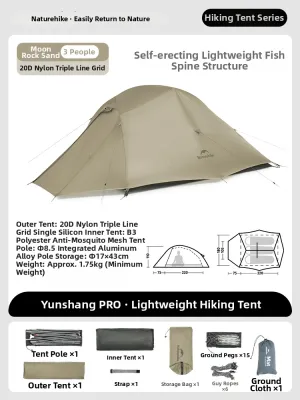
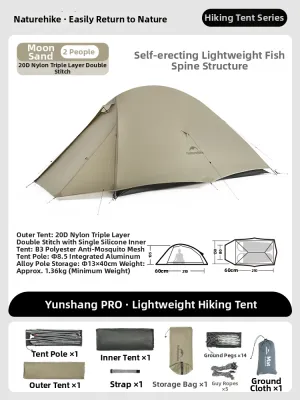
Prices are valid at publication and may change. Please refer to the product page for the latest price.
It is also important to distinguish between the different parts of your tent system. The outer flysheet and the tub floor are designed with waterproof coatings to keep water out, whereas the inner tent is typically constructed from breathable nylon mesh or lightweight fabric designed for airflow rather than water resistance.
Decoding the Hydrostatic Head (mm HH) Measurement
The hydrostatic head (HH) rating, measured in millimeters (mm), indicates the level of water pressure a fabric can withstand before moisture begins to penetrate. To determine this rating in a laboratory setting, a column of water is placed over the fabric, and the height of the water column is increased until three drops of water push through the material.

A rating of 2,000mm HH means the fabric can theoretically hold back a two-meter-tall column of water before leaking. While this laboratory test provides a standardized baseline for comparing different tent fabrics, it does not account for dynamic real-world forces like wind-driven rain or physical pressure.
This distinction is particularly critical when comparing the flysheet to the tent floor. While a flysheet only needs to shed falling rain, the floor must withstand the localized pressure of your knees, elbows, and sleeping pad pressing against wet ground. Consequently, tent floors generally require a higher hydrostatic head rating or an additional footprint to prevent moisture from being squeezed through the fabric.
Translating Waterproof Ratings to Real-World Weather Conditions
In outdoor gear design, different hydrostatic head ranges correspond to varying levels of weather protection. Generally, a rating between 1,500mm and 2,000mm is considered suitable for light to moderate rain showers, while ratings above 3,000mm are typically designed to handle sustained downpours and heavier storms.
In tropical environments like Singapore, where sudden downpours are characterized by high volume and intense humidity, these ratings face unique challenges. High humidity can slow down the evaporation of moisture on the outer fabric, while heavy rain drops strike the tent with significant kinetic energy, increasing the localized pressure on the material.
Wind-driven rain further amplifies this effect by forcing water against the fabric at high speeds, which can temporarily exceed the static pressure limits of lower-rated materials. To mitigate this, campers must ensure a taut pitch that allows water to shed quickly rather than pooling on flat sections of the flysheet.
Factors That Affect Actual Waterproof Performance in the Field
Even a tent with a high factory waterproof rating can leak if key structural details are overlooked. One of the most common entry points for water is through the stitching; unsealed or poorly taped seams allow water to seep through the needle holes under sustained rain.
Pitching technique plays a vital role in how well your tent handles wet weather. A loose, sagging pitch creates pockets where rainwater can pool, increasing the static pressure on that specific area of the fabric and eventually leading to leakage.
It is also easy to mistake internal condensation for a physical leak, especially in high-humidity climates. In single-wall tents or poorly ventilated double-wall setups, the moisture from your breath and body heat condenses on the cold inner surface of the flysheet, creating droplets that can drip down when shaken by wind or rain.
Maintenance and Care to Preserve Waterproofing
To maintain the water-resistant properties of your tent, proper cleaning and storage are essential. Avoid using harsh household detergents or washing machines, as these can strip away the delicate silicone or polyurethane coatings; instead, gently spot-clean the fabric with cold water and a mild, tech-wash soap.
Never pack or store your tent while it is still damp or wet. Storing a wet tent can lead to hydrolysis—a chemical reaction that breaks down polyurethane coatings—as well as the growth of mold and mildew, which permanently damages the fabric’s integrity.
Over time, UV exposure and friction will naturally degrade the factory coatings, causing the outer fabric to “wet out” rather than bead water. You can restore this performance by periodically applying an aftermarket durable water repellent (DWR) spray to the exterior and sealing the seams with a compatible silicone or polyurethane seam sealer.
Frequently Asked Questions (FAQ)
Is a 2000mm waterproof rating enough for heavy tropical rain?
A 2000mm rating is generally sufficient to block heavy rain, but its success in a tropical downpour depends heavily on setup and wind conditions. Because wind-driven rain and pooling water increase the pressure on the fabric, you must ensure the tent is pitched tightly and the seams are fully sealed to prevent localized leaks.
Why is the inside of my tent wet if it didn't rain?
This moisture is almost certainly condensation rather than a leak. When warm, humid air from your breath and body heat hits the cooler fabric of the tent fly, it condenses into liquid water; maximizing ventilation by opening vents and pitching the tent to catch the breeze will help minimize this buildup.

Community discussion
Share your experience or ask a question. Comments are reviewed before publication.