
When you are training in Singapore’s intense tropical heat, keeping a 2L (2000ml) sports water bottle cold is a major challenge. A true vacuum-insulated bottle is highly effective for maintaining cold temperatures over several hours, as it physically blocks the primary pathways of heat transfer. However, carrying two liters of water adds substantial weight to your gear, making the structural design of your bottle a critical factor in your daily workout routine.
While vacuum insulation offers enhanced thermal performance, standard double-wall bottles present a lighter, often more budget-friendly alternative. Choosing between them requires balancing your need for ice-cold water against practical considerations like total carried weight, exterior condensation, and overall durability. Understanding how these two technologies handle heat and physical wear will help you select the right high-capacity bottle for your specific training environment.
Understanding the Insulation: Vacuum vs. Standard Double-Wall
To understand why these bottles perform differently, it helps to look at how heat moves. Heat transfers from the warm outside air to your cold drink through three primary methods: conduction, convection, and radiation. Conduction occurs when heat travels through solid materials, while convection involves heat moving through fluids or air currents.
Products mentioned in this guide
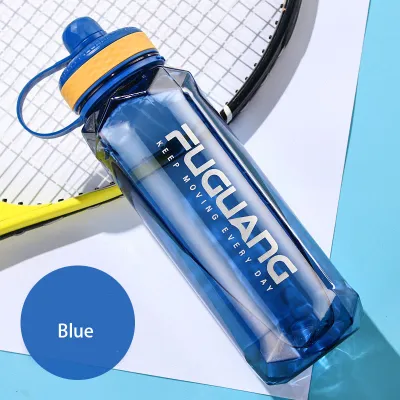
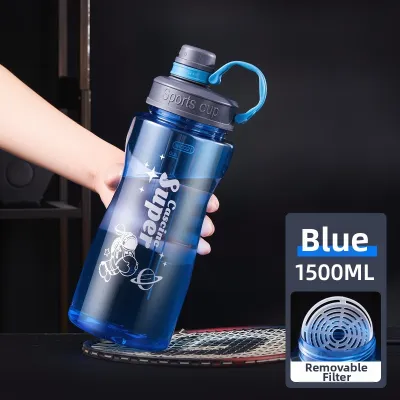
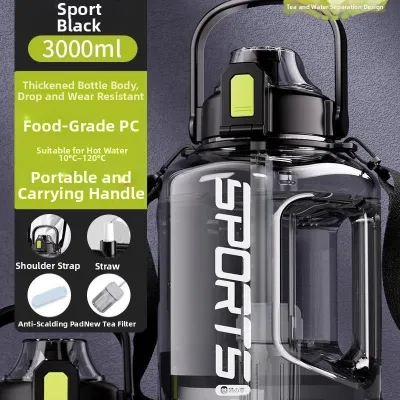
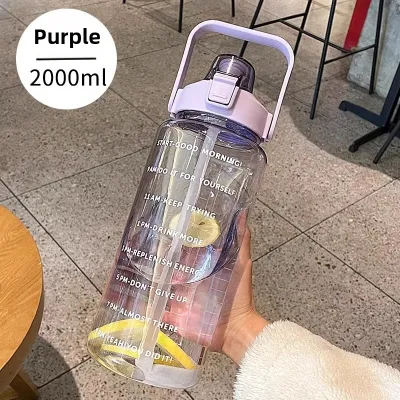
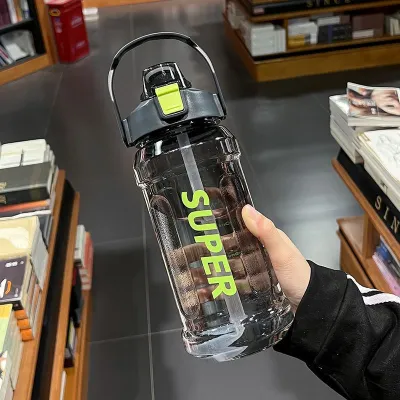
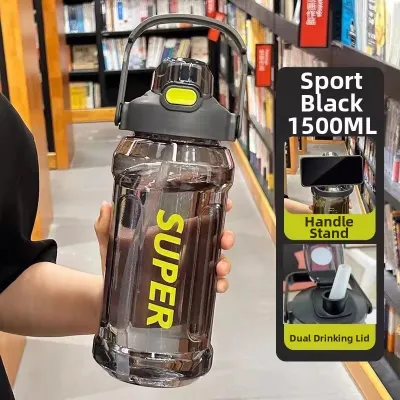
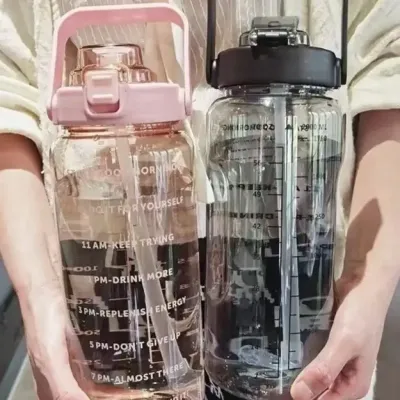
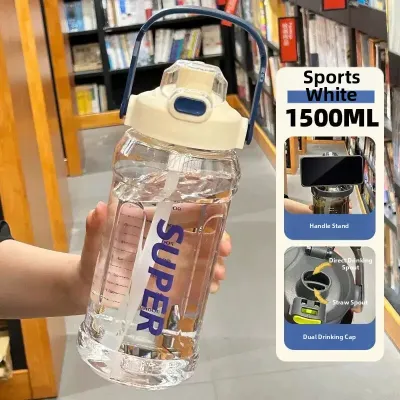
Prices are valid at publication and may change. Please refer to the product page for the latest price.
A vacuum-insulated bottle features an inner and an outer wall, typically made of stainless steel, with the air completely evacuated from the space between them during manufacturing. Because a vacuum contains virtually no matter, it lacks the molecules necessary to conduct heat or support convection currents. This creates an incredibly effective thermal barrier, leaving thermal radiation as the only remaining pathway for heat transfer, which is often minimized by reflective coatings on the inner walls.
In contrast, a standard double-wall bottle also utilizes two layers, but the space between them is not a vacuum. Instead, this gap is filled with regular air, foam, or other insulating materials. While this air gap slows down heat transfer compared to a single-wall bottle, air still contains molecules that conduct heat and allow convection currents to circulate. Over time, the ambient heat from a warm gym or an outdoor pitch will transfer through these molecules, warming your water much faster than it would in a vacuum-sealed container.
Furthermore, the materials used in these constructions differ significantly. True vacuum-insulated bottles almost exclusively use food-grade stainless steel to maintain the structural integrity of the sealed vacuum gap under atmospheric pressure. Standard double-wall bottles, however, are frequently made of lightweight plastics or composite materials, which offer different physical properties and thermal behaviors.
The 2L Reality: Weight, Condensation, and Gym Bag Fit
At a 2000ml capacity, the physical footprint of your water bottle becomes a major factor in your daily carry. A full two liters of water weighs exactly two kilograms on its own, before factoring in the weight of the container. When you choose a double-wall stainless steel vacuum bottle, the heavy-duty metal construction adds substantial empty weight, often resulting in a fully loaded bottle that weighs well over 2.5 kilograms.

For athletes who commute via public transport or carry their gear long distances to outdoor fields, this weight can become a significant burden. Lighter double-wall plastic bottles offer a noticeable weight advantage, reducing the strain on your shoulders and back during transit. However, this weight savings comes at the cost of thermal performance, meaning you must decide whether portability or temperature control is your primary priority.
Another major consideration in Singapore’s humid climate is exterior condensation, commonly known as sweating. Because standard double-wall bottles allow more heat transfer, the outer surface of the bottle can cool down to the point where moisture from the humid air condenses on it. This condensation can make the bottle slippery and difficult to grip during a workout, and it can quickly soak the inside of your gym bag, potentially damaging your phone, extra clothes, or lifting straps.
Vacuum-insulated bottles, when functioning correctly, prevent this condensation entirely because the outer wall remains at ambient room temperature. This keeps the exterior dry and easy to grip, protecting your gear and gym equipment from unwanted moisture. However, these metal bottles have their own vulnerability: durability. If a fully loaded 2L stainless steel vacuum bottle is dropped onto a hard concrete court or gym floor, the impact can easily dent the outer wall. If a dent is deep enough to cause the inner and outer walls to touch, the vacuum seal is permanently lost, destroying the bottle’s insulating capabilities.
Choosing Based on Your Workout and Heat Exposure
Your choice of insulation should align closely with where you train and how you consume your water. If your workouts primarily take place outdoors—such as long-distance running, cycling, or field sports under the midday sun—maximum cold retention is essential. In these high-heat environments, a vacuum-insulated bottle is highly recommended, as it prevents your water from rapidly reaching lukewarm temperatures, ensuring you have refreshing hydration throughout your session.
Conversely, if you train in air-conditioned indoor gyms, fitness studios, or bouldering halls, the ambient temperature is much lower and more stable. In these controlled environments, the extreme thermal protection of a vacuum seal is less critical. A lighter, standard double-wall plastic bottle may be perfectly adequate, allowing you to enjoy a lighter carry while still keeping your water reasonably cool for the duration of a standard one-hour workout.
Your hydration pacing also plays a key role in this decision. If you tend to drink your entire 2L supply rapidly within the first hour of your workout, a standard double-wall bottle with plenty of ice will likely suffice, as the water will be gone before the ice has fully melted. However, if you prefer to sip your water slowly over a long training session, a half-day outdoor tournament, or throughout a full workday, a vacuum-insulated bottle is necessary to keep the liquid cold from your first sip to your last.
A Pre-Purchase Checklist for Verifying Insulation Claims
When shopping for a 2000ml water bottle, navigating marketing terminology can be challenging, as many brands use confusing buzzwords. To ensure you are getting a true vacuum-insulated bottle rather than a basic double-wall air-gap model, you should look for specific technical indicators.
First, check the product specifications for explicit mentions of “vacuum insulation” or “vacuum sealed,” rather than just “double-wall construction.” True vacuum bottles will almost always specify the use of 18/8 (304 grade) food-grade stainless steel for both the inner and outer walls, as this material is strong enough to withstand the pressure of a vacuum. If a bottle is advertised as double-wall but is made entirely of plastic, it is highly unlikely to feature a true vacuum seal.
Second, pay close attention to the lid and cap assembly, as these are the primary areas where heat can escape. Even a well-constructed vacuum-insulated body will lose cold efficiency if it has a thin, uninsulated plastic lid or a wide-mouth opening with a loose seal. Look for lids that feature integrated insulation, thick silicone gaskets, and secure locking mechanisms to minimize thermal leakage at the bottle’s weakest point.
Finally, verify the manufacturer’s material safety certifications. Ensure that any plastic components, especially in the lid, straw, or spout, are certified BPA-free and food-safe. For stainless steel models, check that the interior liner is copper-plated or electropolished, as these treatments can further enhance thermal retention and prevent the metallic taste sometimes associated with lower-quality steel bottles.
Frequently Asked Questions (FAQ)
Does adding ice make a non-vacuum double-wall bottle perform equally well?
Adding ice to a standard double-wall bottle will temporarily lower the water temperature, but it will not match the long-term performance of a vacuum-insulated bottle. Because the non-vacuum air gap allows heat to transfer relatively quickly, the ice inside a double-wall bottle will melt at a much faster rate. As the ice melts, it dilutes your drink and rapidly loses its cooling capacity, whereas a vacuum-insulated bottle preserves the ice structure for a much longer duration, maintaining a consistent cold temperature without requiring constant refills of ice.
How should I clean a 2L vacuum-insulated bottle to prevent odors?
To maintain the interior integrity of a large 2L vacuum bottle and prevent mold or odors, you should clean it regularly using non-abrasive tools. Avoid using harsh chemicals like bleach or chlorine, which can corrode the stainless steel liner and compromise the vacuum seal over time. Instead, wash the bottle with warm water, mild dish soap, and a long-handled bottle brush to reach the bottom. For deep cleaning, a mixture of baking soda and warm water left to sit for a few hours can effectively neutralize stubborn odors; always allow the bottle to air-dry completely with the lid off to prevent moisture buildup.

Community discussion
Share your experience or ask a question. Comments are reviewed before publication.