
Finding the right swim goggles is a highly personal decision because no single brand fits every face shape or swimming style perfectly. While Speedo and Arena are global giants dominating competitive lanes, View has carved out a dedicated following by focusing on specialized fits and innovative anti-fog technologies. The ideal choice depends on whether you prioritize hydrodynamic racing profiles, long-lasting lens clarity, or a soft, pressure-free seal for fitness laps.
To make an informed purchase, you must look beyond brand reputation and evaluate how specific design philosophies align with your facial structure and swimming environment. A goggle that leaks for one swimmer might provide a flawless, watertight seal for another. By understanding the core differences in fit, lens technology, and frame construction among View, Arena, and Speedo, you can select eyewear that enhances your performance and comfort in the water.
Understanding the Core Brand Profiles
View, a prominent Japanese brand manufactured by Tabata, is highly regarded for its precision engineering and focus on user comfort. Historically, View has been a pioneer in designing goggles tailored specifically for Asian facial contours, which often feature flatter nose bridges and wider orbital bones. Their design philosophy emphasizes practical, everyday usability, highlighted by user-friendly innovations like their Swipe anti-fog technology, which allows swimmers to clear fog by simply swiping the inner lens with a finger.
Products mentioned in this guide
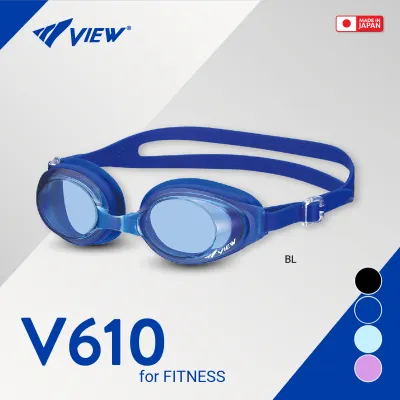
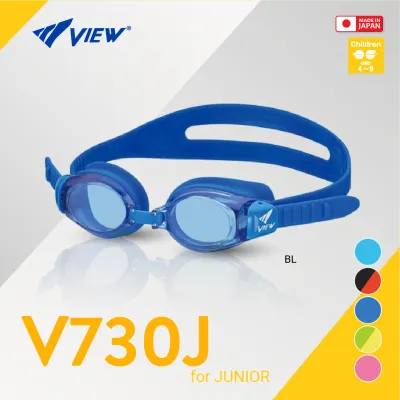
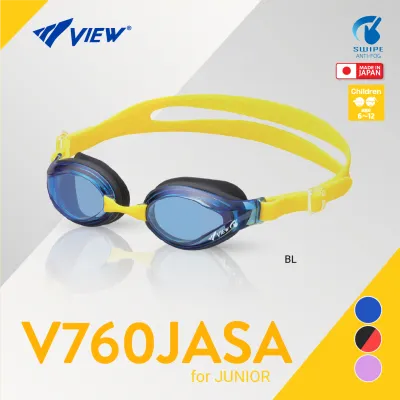
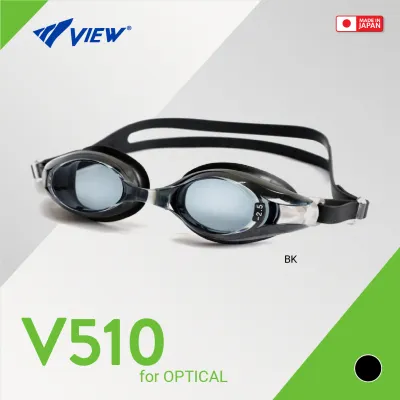
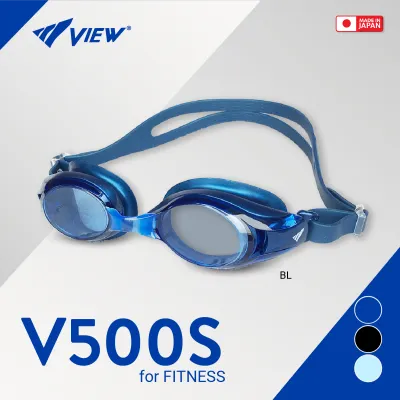
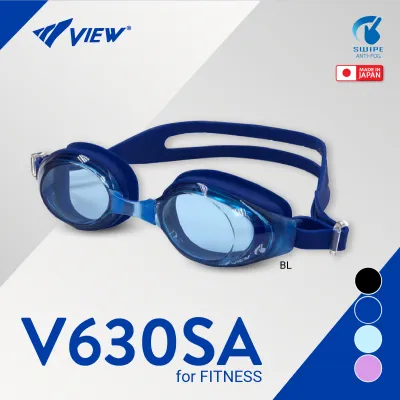
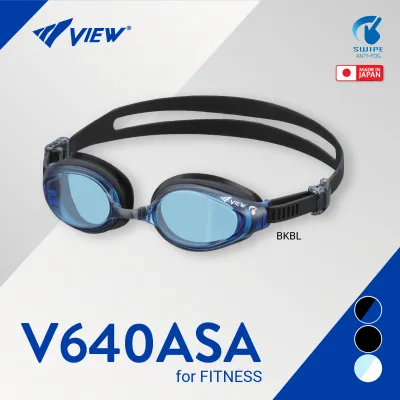
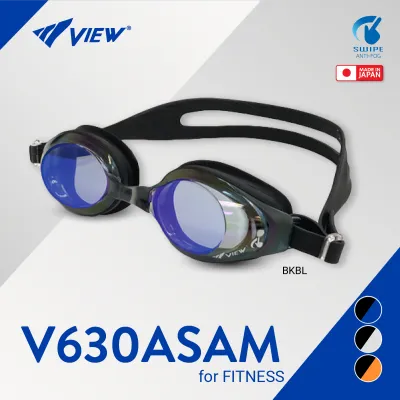
Prices are valid at publication and may change. Please refer to the product page for the latest price.
Arena, with its deep European heritage, is synonymous with elite competitive swimming and high-performance racing gear. The brand focuses heavily on hydrodynamics, producing ultra-low-profile goggles designed to minimize drag during high-speed starts, turns, and sprints. Arena’s global fit options cater to a wide range of competitive athletes, offering rigid, secure frames that stay firmly in place under intense physical exertion.
Speedo is arguably the most recognizable name in swimming, offering an extensive global lineup that spans from toddler training aids to Olympic-level racing gear. Speedo’s strength lies in its diverse sizing systems and proprietary comfort technologies, such as their Biofuse frames that use gel-like materials to cushion the face. Their IQfit technology, developed using extensive global head-scanning data, aims to provide a reliable seal across a broad spectrum of face shapes.
Matching Goggle Features to Your Swimming Style
Selecting the right goggle category is essential for matching your gear to your primary swimming activities. For competitive and lap swimming, hydrodynamics and stability are the top priorities. Swimmers in this category should look for low-profile sockets that sit deep within the eye orbital to reduce water resistance. Interchangeable nose bridges are also crucial, as they allow you to adjust the distance between the lenses to match your specific eye spacing, ensuring a secure seal during fast laps.

Fitness and leisure swimmers should prioritize comfort and peripheral vision over absolute hydrodynamics. If you spend long sessions in the pool for cardiovascular health, larger frames with soft silicone or foam seals are ideal because they distribute pressure over a wider surface area, reducing eye fatigue and preventing deep red marks. Wide-angle lenses are highly beneficial in busy public lanes, helping you maintain spatial awareness and avoid collisions with other swimmers.
Open water and outdoor swimming present unique environmental challenges that require specialized goggle features. When swimming outdoors, verified UV protection is non-negotiable to shield your eyes from harmful solar radiation. Polarized or mirrored lenses are highly recommended to filter out the intense glare bouncing off the water’s surface, which can impair navigation. Additionally, open water goggles require highly secure, split-strap systems to prevent the goggles from being knocked loose by waves or accidental contact during mass-start events.
Evaluating Fit, Comfort, and Seal
Before committing to a brand, you must test how the goggles interact with your unique facial structure. The suction test is the most reliable way to verify a watertight seal without relying on strap tension. To perform this test, gently press the goggle lenses against your eye sockets without putting the strap over your head. If the goggles stick to your face for a few seconds through a light vacuum seal, the frame shape is a good match for your orbital bones; if they pop off immediately, water is highly likely to leak in during your swim.
The material used for the goggle seal significantly impacts both comfort and durability. Liquid silicone is the industry standard, offering excellent flexibility, hypoallergenic properties, and long-term resistance to chlorine degradation. Thermoplastic rubber (TPR) is often used in racing goggles because it provides a firmer, more rigid seal that maintains its shape under high water pressure. Traditional foam seals are exceptionally soft and comfortable but tend to degrade quickly, hold moisture, and harbor bacteria if not dried thoroughly.
Adjustability features are critical for fine-tuning your fit and preventing leaks. Look for goggles that offer multiple interchangeable nose bridges or an adjustable nose strap, as a bridge that is too wide or too narrow will cause the lenses to sit unevenly on your face. The head strap should feature a split design or a dual-strap system, which allows you to position one strap higher on the crown of your head and the other lower, distributing tension evenly and preventing the goggles from shifting.
Comparing Lens Technologies and Maintenance
Understanding lens specifications helps you maintain clear vision and protect your eyes in various lighting conditions. Always check product labels to verify the level of UV protection provided by the lenses. Clear lenses are best suited for indoor pools with consistent, moderate lighting, as they provide maximum visibility. Smoke or tinted lenses reduce overall brightness without distorting colors, making them versatile for both indoor and outdoor use, while mirrored and polarized lenses are essential for bright, sunny outdoor conditions.
Anti-fog coatings are incredibly convenient but inherently delicate, and they will degrade over time regardless of the brand. To prolong the life of your goggles’ anti-fog layer, you must follow strict maintenance boundaries. Never rub or touch the inside of the lenses with your fingers, towels, or cloths, as this will scratch or strip the hydrophilic coating. After every swim, gently rinse your goggles with cool, fresh tap water to remove chlorine, salt, or pool chemicals, and allow them to air dry completely in a shaded area.
Proper storage is equally important for preserving the structural integrity of your goggles. Avoid leaving your goggles in direct sunlight, hot cars, or humid gear bags, as extreme heat and moisture can warp the silicone seals and accelerate the breakdown of lens coatings. Storing your goggles in a hard, ventilated protective case will shield the lenses from scratches caused by other swim gear while allowing any residual moisture to evaporate safely.
Decision Framework: Which Brand Should You Choose?
Your final decision should be guided by your specific fit requirements, swimming environment, and budget. Choose View if you prefer a contoured fit tailored to flatter facial profiles, or if you prioritize highly accessible, easily reactivated anti-fog features for hassle-free daily training. View goggles offer excellent value for swimmers who want reliable, comfortable performance without a complex fitting process.
Choose Arena if you are a competitive swimmer or a dedicated lap swimmer who demands a low-profile, hydrodynamic design. Arena’s racing goggles are engineered to stay secure during explosive starts and high-speed turns, making them the preferred choice for athletes focused on performance and drag reduction.
Choose Speedo if you want the widest selection of styles, specialized sizing for youth and fitness swimmers, or highly cushioned, gel-like seals. Speedo’s extensive catalog ensures that you can find a model tailored to almost any recreational or competitive need, backed by decades of ergonomic research.
Before finalizing your purchase, especially when shopping on an online marketplace, always verify the retailer’s return and exchange policy to protect yourself against fit issues. It is also wise to compare retail prices in S$ across authorized local distributors to ensure you are getting a fair deal. Remember that a proper fit is far more important than brand prestige; always prioritize the goggle that passes the suction test on your unique face.
Frequently Asked Questions (FAQ)
How do I know if my swim goggles fit my face shape correctly?
A proper fit is indicated by an even, comfortable seal around your entire orbital bone without pressing directly on your eyeballs. When you wear the goggles, you should not feel any painful pressure points, particularly on the bridge of your nose or the outer corners of your eyes. After a short swim session, the goggles should leave only light, temporary marks; deep, painful red rings indicate that the strap is too tight or the frame shape is incorrect for your face.
Why do my goggles fog up even with anti-fog coating?
Goggles fog up when warm, humid air from your face condenses on the cooler plastic lens in the water. This process is accelerated if the factory anti-fog coating has been damaged by touching or rubbing the inside of the lens, or by exposing the goggles to harsh soaps, body oils, or extreme temperature changes. To safely restore clarity, use a dedicated anti-fog spray or drops designed specifically for swim goggles, following the manufacturer’s instructions.
Can I use indoor swim goggles for open water swimming?
While you can physically wear indoor goggles outdoors, doing so poses safety and visibility risks. Indoor goggles typically feature clear or lightly tinted lenses that do not offer sufficient glare reduction, which can lead to severe eye strain and difficulty navigating in bright sunlight. For open water swimming, it is highly recommended to use goggles with verified UV protection and mirrored or polarized lenses to shield your eyes and ensure clear visibility of buoys and hazards.

Community discussion
Share your experience or ask a question. Comments are reviewed before publication.