
Quick Answer: Which Material Should You Choose?
Selecting the right 1 kg dumbbell pair depends on your specific workout environment, grip preferences, and how you handle sweat during exercise. For those seeking an affordable entry-level option for occasional light training or physical therapy, vinyl-coated weights offer a smooth, easy-to-clean surface. If your routine involves high-intensity, high-repetition movements where sweaty hands are common, neoprene-coated dumbbells provide a reliable, slip-resistant matte grip. For individuals prioritizing lifetime durability and a classic, tactile gym feel, solid cast iron remains the traditional choice. Ultimately, your decision should align with your floor surface, your tolerance for maintenance, and how the handle feels in your hand during extended movement.
Material Breakdown: Vinyl, Neoprene, and Cast Iron
Dumbbells in the 1 kg weight class are unique because the protective coating represents a significant portion of the overall size and feel of the hand tool. Most 1 kg dumbbells consist of a solid gray iron or steel core that is either left bare, painted, or encased in a synthetic outer layer. Because a 1 kg metal core is physically small, the thickness of a vinyl or neoprene coating can substantially alter the handle diameter and overall ergonomics. Understanding how these materials are constructed helps you evaluate how they will perform over years of repetitive handling, sweat exposure, and storage.

Vinyl-Coated Dumbbells
Vinyl-coated dumbbells feature a solid metal core dipped in a liquid polyvinyl chloride (PVC) solution, resulting in a smooth, slightly glossy plastic shell. This non-porous outer layer is highly resistant to moisture, making it exceptionally easy to wipe clean after a workout session. Because the surface is completely sealed, it does not absorb sweat, oils, or dirt, which helps prevent odors from developing over time.
Products mentioned in this guide
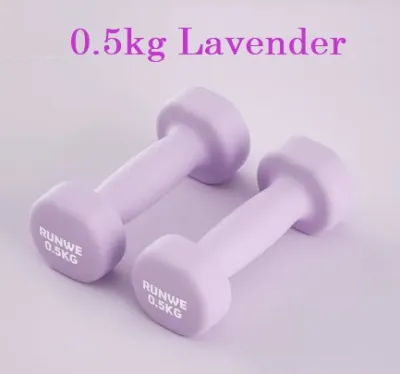
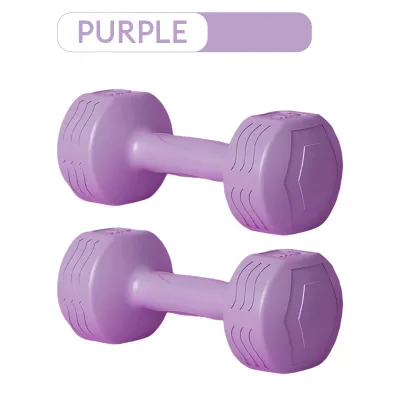
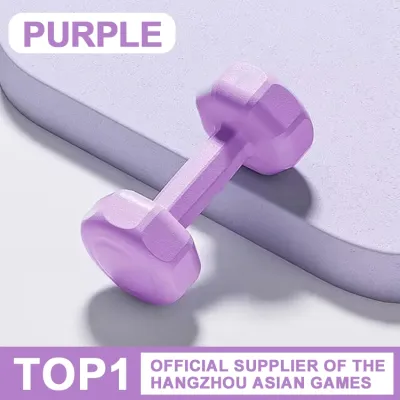
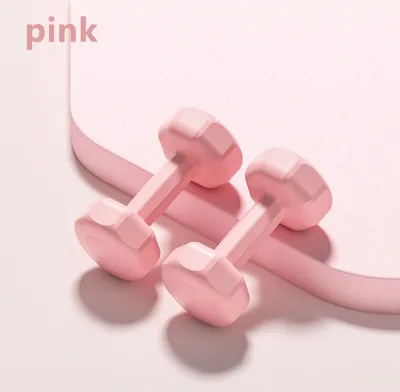
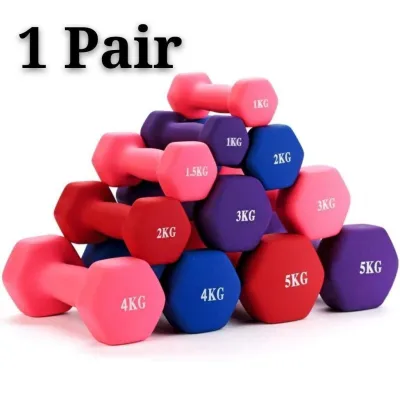
![[SG Stock]Neoprene Dumbbell Weight Strength Training Neoprene Dumbell Set 1kg 2kg 3kg suitable for home and gym exercise](https://img.lazcdn.com/g/p/15509c2888b8e8dae4efd080518cd81f.png_400x400q80.png_.webp)
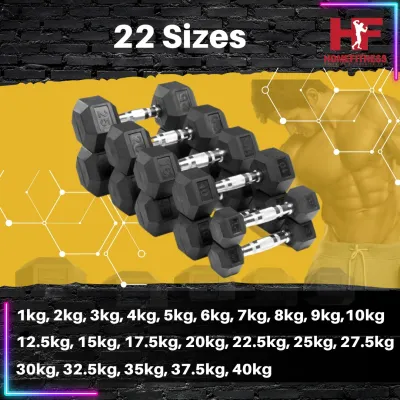
![[SG in Stock]Dumbbell for Weight Strength Training Neoprene Dumbell Set 1kg 2kg 3kg Suitable For Home And Gym Exercise](https://img.lazcdn.com/g/p/46546286cec6d36a3ef083b2e9c920f8.jpg_400x400q80.jpg_.webp)
Prices are valid at publication and may change. Please refer to the product page for the latest price.
However, this smooth texture can become slippery when your hands begin to sweat during high-rep exercises. Without a textured surface, maintaining a secure hold requires more hand fatigue during long cardio-sculpting sessions. Additionally, while vinyl is tough, it is prone to cracking or splitting if the weights are dropped on hard surfaces or scraped against sharp objects. Once the vinyl shell is punctured, moisture can seep underneath, leading to hidden rust on the internal iron core. These options are highly suited for beginners, casual home fitness enthusiasts, and those working within a modest budget.
Neoprene-Coated Dumbbells
Neoprene-coated dumbbells utilize a synthetic rubber coating that is baked onto the cast iron core, yielding a soft, matte, and slightly textured finish. This material is highly favored in group fitness, barre, and pilates classes because of its natural slip resistance. Even when your palms become sweaty, the matte texture of neoprene helps you maintain a secure, comfortable grip without needing chalk or gloves.
When first unpacked, new neoprene weights often emit a distinct rubber-like odor due to the manufacturing process. This scent is normal and typically dissipates within a few days when left in a well-ventilated room. While the soft coating provides excellent hand comfort, the porous nature of synthetic rubber means it can absorb oils and sweat over time. This requires more deliberate cleaning to prevent staining or hygiene issues. Neoprene is an excellent match for high-repetition aerobic routines, dynamic toning exercises, and workouts where hand comfort is your primary focus.
Solid Cast Iron Dumbbells
Solid cast iron dumbbells represent the traditional, rugged approach to strength training equipment. These weights are typically cast as a single piece of iron and are either left uncoated, finished with a thin layer of paint, or treated with a black oxide coating. Instead of a soft outer shell, they feature a knurled handle—a crosshatch pattern cut directly into the metal—to provide mechanical grip.
Because there is no thick synthetic coating to cushion the metal, solid iron dumbbells present a higher risk of scratching or denting hard floors if dropped. Using a protective rubber mat or dedicated gym flooring is highly recommended when training with bare iron. Furthermore, exposed iron is highly susceptible to rust when exposed to moisture, sweat, or high humidity. To maintain their integrity, these dumbbells must be stored in a dry, climate-controlled environment and wiped down thoroughly after every session. They are ideal for lifters who appreciate a traditional gym aesthetic and want a tool that can last a lifetime with proper care.
Key Comparison Dimensions for 1 kg Dumbbells
Grip and Comfort The tactile experience of holding a 1 kg dumbbell pair varies dramatically across the three materials. Neoprene offers a soft, cushioned feel that reduces pressure points on your palms during long, high-repetition sets. Vinyl feels smooth and cool to the touch initially, but can feel slick and difficult to control once sweat accumulates. Cast iron provides a rigid, unyielding grip; the knurling offers excellent mechanical traction but can feel abrasive to sensitive hands during rapid movements.
Floor Protection and Noise In a home workout space, how your weights interact with the floor is a major practical consideration. Neoprene and vinyl coatings act as built-in shock absorbers, dampening the clatter when you place the weights on a table or floor. This makes them much quieter and safer for delicate surfaces like hardwood, laminate, or ceramic tile. Solid cast iron lacks this cushioning, meaning even a gentle placement can scratch surfaces or create a loud metallic thud, necessitating the use of a protective mat.
Durability and Wear While all three materials can last for years, they fail in different ways under stress. Vinyl coatings can split or peel if subjected to sharp impacts, exposing the metal underneath to air and moisture. Neoprene is highly resistant to splitting but can wear down, fade, or become stained over years of heavy use and sweat exposure. Cast iron is virtually indestructible in terms of structural shape, but its surface will rust quickly if the protective paint chips and the metal is left in a damp environment.
Size and Ergonomics Because 1 kg is a relatively light weight, the physical size of the dumbbell is quite small. However, the thickness of the outer coating can change the handle’s diameter. A vinyl or neoprene coating adds several millimeters of thickness to the grip area, which can make the handle feel more comfortable and substantial for users with average to large hands. Conversely, solid cast iron dumbbells maintain a very slim profile, which some users with smaller hands prefer for a more secure wrap-around grip.
Decision Framework: Matching Material to Your Routine
Choose Vinyl if:
- You are looking for an affordable, entry-level 1 kg dumbbell pair for occasional use.
- Your workouts consist of slow, controlled movements, such as physical therapy or gentle mobility exercises.
- You want a smooth surface that can be sanitized instantly with a quick wipe.
Choose Neoprene if:
- You participate in high-energy cardio, barre, or dance-fitness classes where your hands sweat heavily.
- You prioritize a soft, comfortable grip that minimizes hand fatigue during long, high-rep sets.
- You exercise on hard floors and want to minimize noise and the risk of scratches.
Choose Cast Iron if:
- You want a classic, rugged piece of fitness equipment that will not peel, crack, or degrade over time.
- You prefer the tactile feel of a knurled metal handle over synthetic coatings.
- You already have a dedicated workout space with protective rubber flooring and a dry storage area.
Verify First if:
- You have known sensitivities or allergies to synthetic rubbers, plastics, or chemical dyes used in coatings.
- Your storage space is highly limited; some coated dumbbells feature anti-roll hexagonal ends, while others are round and may roll away if not stored on a dedicated rack.
Care and Maintenance Guidelines
To maximize the lifespan of your 1 kg dumbbell pair, establish a simple cleaning routine based on the material you choose. For vinyl and neoprene options, wipe the surfaces down after every workout using a damp microfiber cloth and a mild, diluted dish soap. Avoid harsh chemical solvents, bleach, or alcohol-based wipes, as these can dry out synthetic coatings, causing vinyl to crack and neoprene to harden or discolor.
For solid cast iron dumbbells, keeping the metal dry is the single most important step in preventing rust. Wipe away all sweat immediately after use with a dry towel. If you live in a humid climate, such as Singapore, store your cast iron weights indoors in an air-conditioned or well-ventilated room rather than a damp balcony or garage. If light surface rust does appear on cast iron, it can usually be removed with a stiff wire brush and a light application of household oil, followed by a thorough wipe-down to remove excess residue.
Frequently Asked Questions (FAQ)
Are 1 kg dumbbells effective for building muscle?
A 1 kg dumbbell pair is generally not the primary tool used for significant muscle hypertrophy, as building muscle size typically requires progressive overload with heavier resistance. Instead, 1 kg weights are highly effective for improving muscular endurance, enhancing cardiovascular workouts, and supporting physical therapy or rehabilitation exercises. They allow you to perform high-repetition movements with correct form without overloading recovering joints or smaller stabilizing muscles, such as the rotator cuff. If your primary fitness goal is to build substantial muscle mass, you should consult a certified fitness professional to design a progressive strength training program that incorporates heavier, adjustable resistance over time.
Can I mix and match different dumbbell materials at home?
Yes, you can absolutely mix and match different dumbbell materials within your home gym setup without affecting your physical training. Functionally, a 1 kg weight is the same regardless of whether it is encased in vinyl, neoprene, or made of solid cast iron. However, if you are using two different materials simultaneously during a single exercise, ensure that the handle diameters and overall balance feel symmetrical to avoid altering your movement mechanics. Keep in mind that a mixed collection will require different care routines, as your cast iron pieces will need strict moisture control, while your coated pieces will require gentle, non-abrasive cleaning agents.

Community discussion
Share your experience or ask a question. Comments are reviewed before publication.