
Choosing the right 5kg dumbbell material depends entirely on your specific home gym environment, flooring type, and training habits. There is no single superior option; vinyl, neoprene, and bare cast iron each offer distinct trade-offs in floor protection, grip comfort, and long-term maintenance. This guide breaks down the physical characteristics of each material to help you match the right dumbbell to your workout space and personal preferences.
A 5kg weight is highly versatile, making it a popular choice for high-repetition endurance training, shoulder rehabilitation, and dynamic compound movements. However, because home workouts often take place on tiled, laminate, or vinyl-plank floors, selecting the wrong material can lead to cracked tiles, scuffed surfaces, or excessive noise that disturbs neighbors. Understanding how these materials perform under real-world conditions is essential before making an investment.
Understanding the Base Materials and Coatings
To make an informed choice, you must first understand what lies beneath the surface of your weights. Most 5kg dumbbells on the market utilize a solid cast iron core, which provides a compact size and balanced weight distribution. However, some budget-friendly options use a cement-filled or sand-filled plastic shell, which is physically much larger and can feel unwieldy during tight, controlled movements.
Products mentioned in this guide
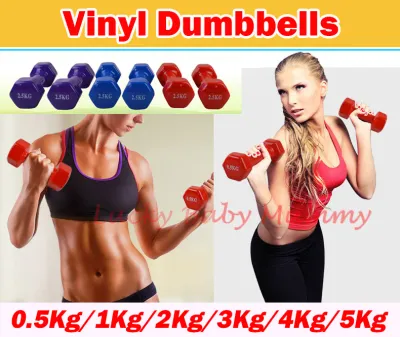
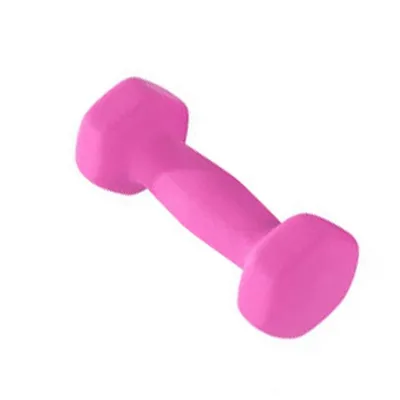
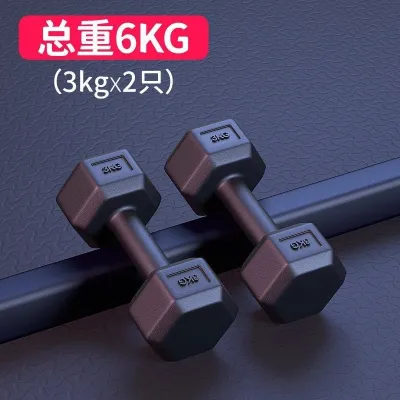
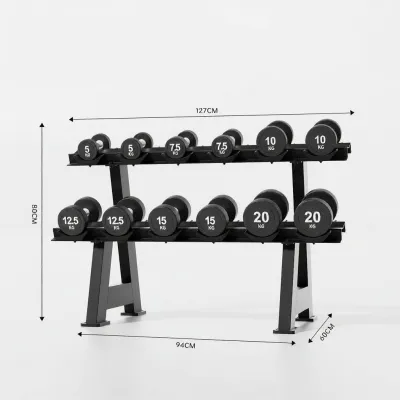
Prices are valid at publication and may change. Please refer to the product page for the latest price.
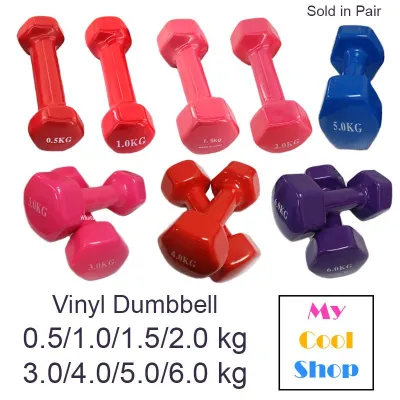
Vinyl dumbbells feature a hard, smooth plastic shell made of polyvinyl chloride (PVC) that is heat-shrunk over the metal core. This outer layer is completely sealed, non-porous, and typically comes in bright, glossy colors. The hard plastic exterior provides a clean, modern aesthetic but offers very little structural flexibility.
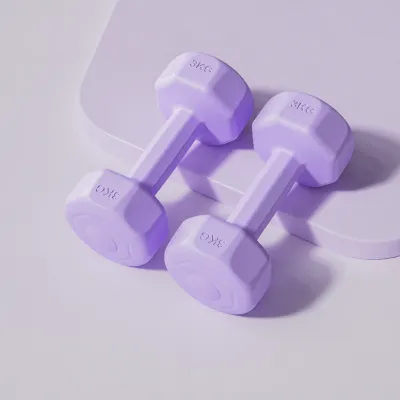
Neoprene dumbbells are manufactured by dipping the iron core into a synthetic rubber liquid, creating a matte, slightly textured, and soft-to-the-touch finish. This coating is chemically bonded to the metal, providing a consistent thickness across the entire dumbbell, including the handle and the bells.
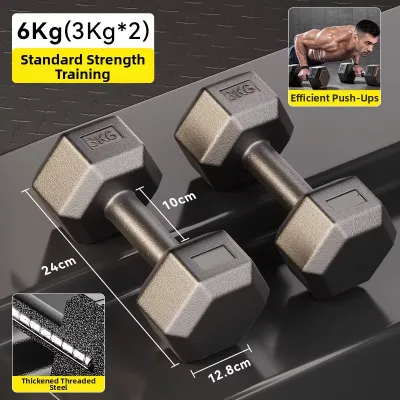
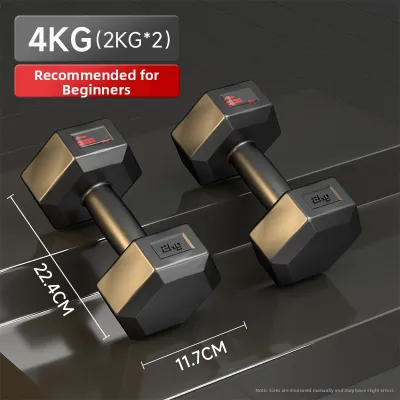
Cast iron dumbbells represent the traditional approach, consisting of bare metal that is either left uncoated or finished with a thin layer of black paint, enamel, or hammer-tone coating. They lack any thick protective outer sleeve, meaning you are handling the raw metal directly. Checking product descriptions carefully will help you verify whether a dumbbell uses a solid metal core or a bulkier cement filling.
Evaluating Floor Safety and Noise Levels
When training at home, protecting your flooring is a primary concern. Dropping a 5kg weight, or even setting it down too quickly, can easily chip ceramic tiles, dent hardwood, or scratch vinyl planks. The shock-absorbing qualities of your dumbbell material play a major role in preventing this damage.

Neoprene offers the highest level of natural shock absorption among the three materials. The synthetic rubber coating has a slight give that helps cushion impacts, reducing the localized force transmitted to your floor. While it will not prevent damage from high-altitude drops, it provides excellent protection against daily wear and minor bumps.
Vinyl coatings are harder than neoprene and offer less cushioning. While they prevent direct metal-on-floor contact, the rigid plastic shell can still transfer a significant amount of impact force to fragile surfaces. If you accidentally drop a vinyl dumbbell on a tiled floor, the risk of cracking the tile remains relatively high.
Bare cast iron has zero shock absorption. Placing a cast iron dumbbell directly on a hard floor concentrates the entire 5kg force onto a solid metal contact point. Furthermore, cast iron produces a sharp, metallic clanking noise when handled, which can easily travel through concrete floor slabs and disturb family members or downstairs neighbors.
To ensure complete safety, always verify your flooring’s load limits and warranty conditions. Regardless of the dumbbell material you choose, using a high-density rubber gym mat that is at least 6mm to 10mm thick is highly recommended to safeguard your living space and minimize acoustic transfer.
Comparing Grip Texture and Sweat Management
Your ability to maintain a secure grip on a 5kg dumbbell directly impacts both your workout performance and your safety. As your hands sweat during a challenging session, different materials behave in vastly different ways.
Vinyl dumbbells feature a smooth, glossy surface that feels comfortable and non-abrasive when your hands are dry. However, once perspiration enters the picture, vinyl can become exceptionally slippery. This lack of traction requires you to squeeze harder to maintain control, which can lead to premature forearm fatigue during high-repetition workouts.
Neoprene excels in sweat management due to its matte, textured surface. The synthetic rubber provides natural traction that remains reliable even when damp. It absorbs a tiny amount of moisture without becoming slick, allowing you to maintain a relaxed, secure grip during intense cardiovascular or strength-endurance routines.
Cast iron dumbbells often feature a knurled handle, which consists of a cross-hatched pattern cut directly into the metal. This knurling provides the most secure mechanical grip possible, as the textured metal digs slightly into your skin to prevent slipping. However, raw knurling can feel abrasive on uncalloused hands, and smooth painted cast iron handles can become incredibly slick when wet.
If you prefer a softer feel or have sensitive skin, neoprene is generally the most comfortable option. If you choose cast iron, you may want to use workout gloves or lifting chalk to manage sweat and protect your palms from friction. Always examine product images to check for contoured handle designs, as an ergonomic curve often improves grip comfort more than the coating material itself.
Assessing Long-Term Durability and Upkeep
Investing in fitness equipment means considering how well the materials will age over years of regular use. Environmental factors, storage conditions, and cleaning habits all influence the lifespan of your dumbbells.
Vinyl coatings are prone to cracking and splitting over time, especially if they are stored in direct sunlight or subjected to frequent impacts against other weights. Once the hard plastic shell splits, moisture can seep underneath, leading to hidden rust on the iron core and causing the vinyl to peel away in large chunks.
Neoprene is highly durable and resistant to tearing, but it is not completely immune to degradation. Exposure to ultraviolet (UV) light can cause the synthetic rubber to dry out, harden, and eventually crack. Additionally, because neoprene is slightly porous, it can absorb sweat and body oils, which may lead to lingering odors if the weights are not cleaned regularly.
Cast iron is structurally indestructible and will easily last a lifetime without losing its shape or weight accuracy. However, in humid environments, bare or chipped cast iron is highly susceptible to surface rust. While rust does not affect the weight of the dumbbell, it can stain your hands, clothes, and flooring.
To maximize the lifespan of your weights, clean vinyl and neoprene dumbbells using a damp cloth with mild, diluted dish soap, avoiding harsh alcohol-based sanitizers that can dry out the coatings. For cast iron, wipe the handles dry after every workout to remove sweat, and occasionally apply a thin layer of mineral oil to any exposed metal to prevent oxidation. Store all dumbbells in a dry, well-ventilated indoor space away from direct sunlight.
Navigating Price Tiers and Shipping Costs
Budget considerations often play a decisive role when selecting home gym equipment. The manufacturing processes required for different coatings directly influence the retail price of 5kg dumbbells.
Bare or basic painted cast iron is typically the most economical option per kilogram. Because it requires no complex dipping or molding processes, manufacturers can produce it at a lower cost, passing those savings on to the consumer. If you are looking for the absolute lowest price for a solid metal weight, cast iron is hard to beat.
Vinyl sits in the middle price tier, offering an affordable entry point for those who want a coated dumbbell without paying a premium. Neoprene is generally the most expensive of the three options due to the higher cost of synthetic rubber raw materials and the multi-step dipping process required to achieve a consistent, high-quality finish.
Because a pair of 5kg dumbbells weighs a total of 10kg, shipping fees can add a substantial amount to your overall cost. When shopping online, look for local sports equipment distributors or online marketplaces that offer subsidized shipping or free delivery thresholds for heavy items. Buying from a physical store in your area can also eliminate shipping fees entirely.
When calculating your budget, compare the cost of a premium neoprene pair against the combined cost of a cheaper cast iron pair plus a high-quality rubber floor mat. If you do not already own protective flooring, investing in a slightly more expensive coated dumbbell can sometimes save you money by reducing the need for extensive floor protection.
Decision Framework: Which 5kg Dumbbell Fits Your Space?
To finalize your decision, match your training style and home environment to the specific strengths of each material.
Choose Vinyl if you are working within a tight budget, prefer a smooth surface that is incredibly easy to wipe down and sanitize, and plan to use the weights for light, low-sweat exercises or mobility work in a dry, climate-controlled room.
Choose Neoprene if you live in an apartment where noise reduction is crucial, prioritize a secure and comfortable grip during sweaty high-intensity workouts, and want maximum built-in protection for your tiled or wooden floors.
Choose Cast Iron if you want a lifetime investment that will never peel, crack, or wear out, prefer the traditional feel of a commercial gym, have a dedicated workout space equipped with heavy-duty rubber flooring, and do not mind performing basic maintenance to prevent rust.
Before finalizing your purchase, always verify the seller’s return policy. Checking the physical dimensions and handle diameter in the product specifications will ensure the dumbbell fits your hand size comfortably and supports proper exercise technique.
Frequently Asked Questions (FAQ)
Can I use cast iron dumbbells on vinyl flooring?
Using bare cast iron dumbbells directly on vinyl flooring is not recommended. The hard, unyielding metal concentrates the weight on a very small surface area, which can easily scratch, dent, or tear vinyl planks. To prevent permanent damage to your floor, always place a high-density rubber gym mat down as a protective barrier before training with cast iron weights.
Do neoprene dumbbells leave marks on light-colored surfaces?
Lower-quality neoprene or rubber coatings can occasionally transfer dye or leave dark scuff marks on light-colored carpets, painted walls, or tiled floors. To avoid this, store your dumbbells on a dedicated weight rack or a dark-colored protective mat rather than placing them directly on light surfaces. Regularly wiping down the weights to remove accumulated dust and sweat will also minimize the risk of marking.
Is a 5kg dumbbell heavy enough for muscle growth?
A 5kg dumbbell is highly effective for building muscular endurance, high-repetition conditioning, and targeted rehabilitation of smaller muscle groups like the shoulders. However, to achieve significant muscle hypertrophy, you must apply the principle of progressive overload by gradually increasing the resistance over time. While 5kg is an excellent starting point, you will eventually need to transition to heavier weights or adjustable dumbbell systems as your strength improves.

Community discussion
Share your experience or ask a question. Comments are reviewed before publication.