
Selecting the right dumbbells for a home gym involves balancing your training style, living space, and budget. While vinyl, rubber, and chrome dumbbells all serve the fundamental purpose of resistance training, their physical properties, durability, and floor-protection capabilities differ significantly. For those setting up a workout corner in a typical high-rise apartment or a dedicated garage gym, choosing the wrong material can lead to damaged floors, space constraints, or unpleasant chemical odors.
The ideal choice depends on your specific fitness goals and home environment. Vinyl dumbbells are generally suited for light cardio, aerobics, or rehabilitation exercises where lower weight increments are sufficient. Rubber dumbbells offer a versatile, durable option for high-intensity strength training and progressive overload, though they require proper ventilation initially. Chrome dumbbells provide a compact, professional-grade feel with excellent grip, making them ideal for small spaces, provided you use protective flooring mats.
Understanding Material Composition and Build Quality
To make an informed decision, you must first understand how these three types of dumbbells are manufactured. The internal core and the outer protective layer dictate not only the durability of the weight but also its physical size.
Products mentioned in this guide
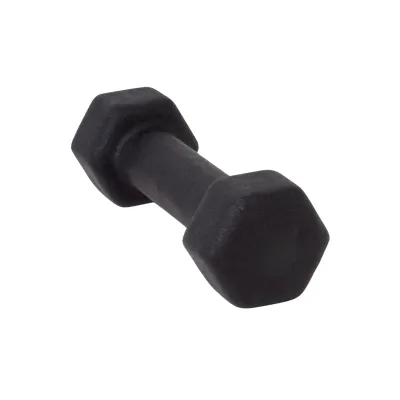
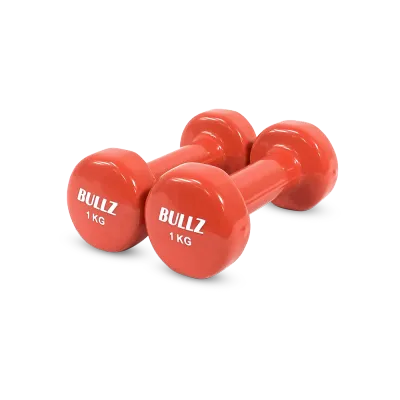
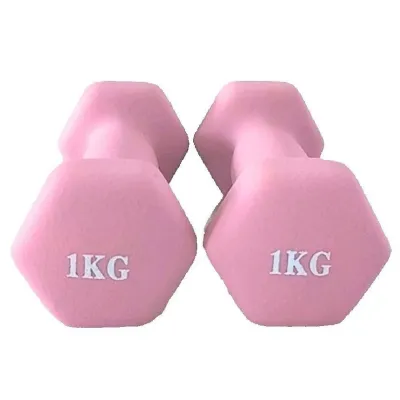
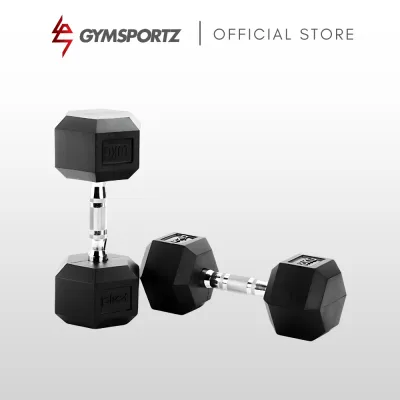
Prices are valid at publication and may change. Please refer to the product page for the latest price.
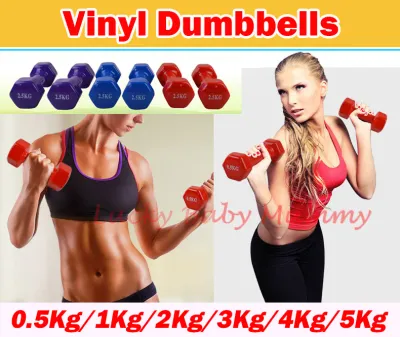
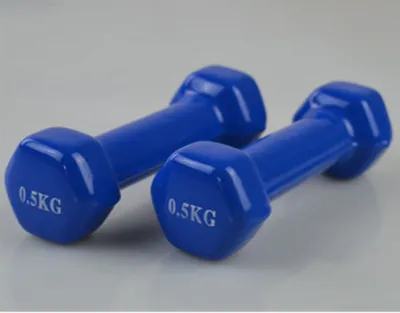
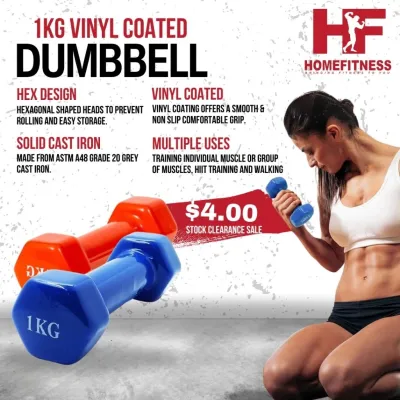
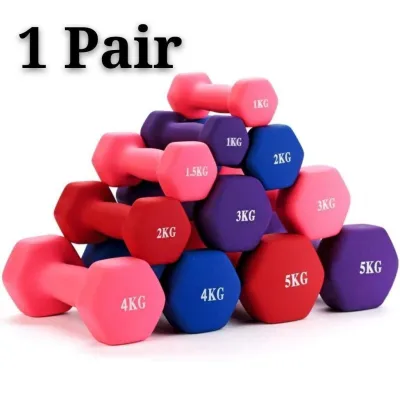
Vinyl dumbbells typically feature an internal core filled with a mixture of cement, sand, or iron filings, encased in a thick, smooth plastic or vinyl outer shell. Because cement and sand are less dense than solid metal, these dumbbells require a much larger physical volume to achieve the same weight as their metal counterparts. A 5kg vinyl dumbbell, for instance, will look and feel significantly bulkier than a 5kg solid metal dumbbell.
Rubber dumbbells generally utilize a solid cast iron or steel core that is coated with a layer of natural or synthetic rubber. This construction keeps the weight compact while providing a protective barrier. However, new rubber weights often undergo a process called off-gassing. This release of volatile organic compounds can produce a distinct, pungent factory odor that may linger in enclosed home spaces for several weeks.
Chrome dumbbells are constructed from solid steel or cast iron that has been electroplated with a shiny layer of chromium. This process results in a highly dense, compact dumbbell with no synthetic outer shell. Chrome weights are completely odorless from the day they arrive, making them an attractive option for lifters who are sensitive to chemical smells or who train in poorly ventilated rooms.
Evaluating Floor Protection, Grip, and Space Requirements
Setting up a home gym requires careful consideration of your flooring and the physical layout of your room. In residential settings, such as high-rise apartments with parquet or tiled floors, dropping a heavy weight can cause permanent structural damage.

While rubber is often praised for its impact-absorbing qualities, a heavy rubber dumbbell dropped from shoulder height can still crack tiles or dent wooden subfloors. The rubber coating is designed to protect the dumbbell itself and reduce minor scuffs, but it does not eliminate the need for dedicated protective flooring. Vinyl and chrome dumbbells are even harder on impact; dropping them directly onto unprotected floors is highly likely to cause immediate damage.
Grip texture and sweat management also play a critical role in workout safety. Chrome dumbbells typically feature a knurled handle—a cross-hatch pattern cut directly into the metal—which provides a secure, non-slip grip even when your hands are sweaty. Vinyl dumbbells have a smooth, non-porous surface that can become slippery during intense, high-sweat workouts. Rubber dumbbells may feature either a textured rubber handle or a chromed steel handle, offering a middle ground in grip security.
Spatial footprint is another major differentiator, especially if you have limited storage space. Because vinyl dumbbells rely on lower-density filler materials, they take up a substantial amount of physical space. Storing a full set of vinyl weights requires wider racks or more floor area. In contrast, the high density of chrome and rubber-coated iron allows these dumbbells to remain compact, fitting easily onto vertical A-frame racks or compact shelving units.
Quick Feature Comparison Matrix
The following matrix summarizes the general characteristics and trade-offs of each dumbbell material to help you compare them at a glance.
| Material Type | Typical Core Construction | Relative Floor Friendliness | Grip Style | Maintenance Focus | Relative Price Tier |
|---|---|---|---|---|---|
| Vinyl | Cement, sand, or iron slurry | Moderate (soft shell, but bulky) | Smooth, molded vinyl | Shell integrity checks | Budget (S$) |
| Rubber | Solid cast iron or steel | High (cushioned coating) | Textured rubber or knurled metal | Odor venting & cleaning | Mid-Range (S$$) |
| Chrome | Solid steel or iron | Low (hard metal surface) | Knurled metal | Rust prevention | Premium (S$$$) |
Note: Specific performance metrics, exact weight tolerances, and safety certifications vary by manufacturer. Always verify these details on the manufacturer’s product label or specification sheet before purchasing.
Decision Framework: Matching Material to Your Training Style
Selecting the right dumbbell is not about finding the universally “best” material, but rather matching the equipment to your training style, living conditions, and budget.
You should choose vinyl dumbbells if you are working within a strict budget and primarily perform light aerobic workouts, physical therapy, or high-repetition endurance training. They are also excellent for users who are highly sensitive to chemical odors and have plenty of shelf or floor space to accommodate their larger physical size.
You should choose rubber dumbbells if you plan to engage in progressive strength training, high-intensity interval training (HIIT), or workouts where weights might occasionally contact the floor. While you must be prepared to tolerate an initial off-gassing period and perform routine cleaning, the added durability and floor protection make them highly versatile for long-term fitness progression.
You should choose chrome dumbbells if you prefer a classic, professional gym aesthetic, require a highly secure knurled grip, and have limited storage space. Chrome is ideal for compact apartment setups, provided you are willing to invest in high-quality floor mats to protect your home and are committed to keeping the metal dry to prevent corrosion.
Before making any purchase, verify several critical home gym factors. Check the load-bearing capacity of your flooring if you plan to store heavy weight sets. Confirm the exact slot dimensions and weight capacity of your existing dumbbell rack to ensure compatibility. Finally, review the manufacturer’s warranty terms, as some warranties are voided if weights are used on concrete or dropped from certain heights.
Material-Specific Care and Warning Signs
Proper maintenance ensures your home gym equipment remains safe to use and lasts for years. Each material reacts differently to environmental factors like moisture, sweat, and sunlight.
To clean your dumbbells, use a soft cloth dampened with mild soap and warm water. Avoid harsh chemical solvents, bleach, or abrasive scrubbing pads. These aggressive cleaning agents can degrade rubber coatings, make vinyl brittle, or strip the protective chromium plating off metal handles.
Storage conditions are equally important. Keep your dumbbells in a dry, climate-controlled environment. In humid climates, such as Singapore’s tropical environment, moisture can quickly cause rust to form on chrome finishes if they are not wiped down after use. Avoid storing rubber or vinyl dumbbells in direct sunlight, as ultraviolet (UV) rays accelerate the breakdown of synthetic materials, leading to cracking, fading, and stickiness.
Inspect your equipment regularly for safety hazards. Stop using vinyl dumbbells immediately if you notice cracks in the outer plastic shell, as the internal sand or cement fill can leak out and unbalance the weight. For rubber dumbbells, watch for sticky surfaces or peeling layers, which indicate chemical degradation. For chrome dumbbells, inspect the handles for deep structural rust or flaking chrome plating, which can create sharp edges and compromise your grip.
Frequently Asked Questions (FAQ)
Are vinyl dumbbells safe for use on hardwood floors?
No, vinyl dumbbells are not inherently safe for unprotected hardwood floors. Although the vinyl shell feels smoother than bare metal, the core is still heavy and hard enough to dent, scratch, or gouge wood surfaces upon impact. To protect your floors, always verify the hardness rating of your flooring and use a dedicated rubber equipment mat or high-density foam tiles in your workout area.
Why do rubber dumbbells smell, and will the odor go away?
The distinct smell of new rubber dumbbells is caused by manufacturing release agents and the vulcanization process used to cure the rubber. This odor typically dissipates over time if the weights are left to air out in a well-ventilated space, such as a balcony or a room with open windows. If the smell remains strong or causes irritation, check the product safety labels to ensure the manufacturer used non-toxic, low-odor compounds.
Can I mix different dumbbell materials in the same home gym?
Yes, mixing different dumbbell materials is a practical way to build a versatile home gym. You might use lighter vinyl dumbbells for warm-ups and mobility work, while relying on heavier rubber or chrome dumbbells for compound strength exercises. If you do mix materials, verify that your storage rack can accommodate the varying physical dimensions of each type, and remember to follow the specific cleaning and maintenance routines required for each material.

Community discussion
Share your experience or ask a question. Comments are reviewed before publication.