
To withstand Singapore’s intense tropical downpours during 2 person emergencies, a reliable emergency tent should have a minimum rainfly waterproof rating of 1,500mm to 2,000mm, while the tent floor requires a rating of at least 3,000mm. Because tropical storms in the region often bring wind-driven rain and rapid ground pooling, relying on basic, unrated single-skin shelters can quickly lead to water ingress. Verifying these specifications, alongside key structural designs, ensures your emergency shelter remains dry and functional when sudden monsoonal weather strikes.
Preparing for unexpected weather events requires gear that matches the local climate. In Singapore, where sudden afternoon thunderstorms and prolonged monsoon seasons are common, a standard emergency shelter must do more than just block the wind. Understanding how waterproof ratings work allows you to select a tent that provides genuine protection rather than a false sense of security.
Decoding the Millimeter (mm) Waterproof Rating
When browsing emergency shelters, the waterproof capability of the fabric is expressed as a millimeter rating, often referred to as the hydrostatic head (HH) measurement. This rating is determined through a standardized laboratory test where a column of water is pressed against the fabric. The numerical rating represents the height of the water column in millimeters at which the fabric begins to leak. For example, a fabric rated at 1,500mm can withstand a 1,500mm column of water before moisture penetrates the material.
Products mentioned in this guide
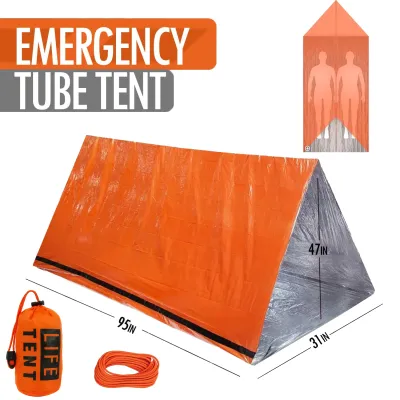


Prices are valid at publication and may change. Please refer to the product page for the latest price.
It is crucial to distinguish between the waterproof rating of the rainfly and that of the tent floor. The rainfly, which covers the top and sides of the tent, primarily deals with falling rain and can perform well with a rating of 1,500mm to 2,000mm. The floor, however, is subjected to much higher physical pressure. When you sit, kneel, or place heavy gear inside the tent, your body weight exerts pressure on the damp ground beneath. To prevent water from being forced through the fabric, look for a floor rating of at least 3,000mm.
While a higher numerical rating generally indicates better water resistance, it is not the sole indicator of real-world performance. Heavy polyurethane (PU) coatings can increase the millimeter rating but may also make the fabric stiff, heavy, and prone to trapping condensation. A balanced specification combines a reliable millimeter rating with a durable fabric weave, such as ripstop polyester or nylon, to ensure the tent remains packable and resilient during 2 person emergencies.
Evaluating Fabric Specs for Heavy Tropical Downpours
To ensure your emergency shelter can handle Singapore’s intense rainfall, you must know how to locate and verify fabric specifications. Reliable manufacturers list these details on product tags, user manuals, or official brand websites. Look for specific notations such as “75D Polyester 1500mm PU” or “70D Nylon 3000mm.” The “D” stands for denier, which measures the thickness of the individual threads; a higher denier generally offers better tear resistance, which is vital when pitching a tent in rough emergency conditions.

Even the highest fabric rating will fail if the construction quality is poor. Water is most likely to penetrate a tent at the seams, where the fabric panels are stitched together. When evaluating a tent, verify that it features factory-taped or welded seams. Factory taping involves applying a waterproof tape under heat and pressure along all stitched lines, sealing the needle holes. Without this feature, water will quickly seep through the seams during a prolonged tropical storm, regardless of the fabric’s waterproof rating.
Additionally, pay close attention to the coverage of the rainfly. Many budget or lightweight tents feature partial rainflies that only cover the very top of the structure, leaving the inner tent walls exposed. In Singapore’s wind-driven rain, water will easily blow sideways and penetrate these exposed areas. For emergency preparedness, prioritize a full-coverage rainfly that extends all the way to the ground, creating a protective outer shell that sheds water away from the inner living space.
Beyond the Rating: Design Features That Keep Water Out
While fabric specifications are essential, the physical design of the tent plays an equally critical role in keeping you dry. One of the most important structural features to look for is a bathtub floor design. A bathtub floor uses a continuous piece of waterproof fabric that wraps several inches up the sides of the tent before meeting the wall seams. This design ensures that the seams are elevated well above the ground, preventing standing water, mud, and surface runoff from seeping into your sleeping area.
Another valuable design element is the inclusion of a vestibule. A vestibule is an extension of the rainfly that creates a covered entryway outside the main tent body. During 2 person emergencies, space inside the tent is limited. A vestibule allows you to store wet gear, muddy boots, and damp backpacks outside the inner tent while keeping them protected from the rain. This prevents you from bringing moisture inside the sleeping compartment, keeping your living space dry and comfortable.
Managing internal moisture is just as important as blocking external rain. In Singapore’s hot and humid climate, condensation can build up rapidly inside a sealed waterproof tent. As you breathe, moisture condenses on the cold inner walls of the tent, creating a damp environment. To combat this, look for tents with double-wall construction and strategic mesh placement. Double-wall tents allow air to circulate between the inner mesh body and the outer waterproof rainfly, carrying moisture away and preventing it from dripping onto your sleeping gear.
Inspecting and Maintaining Your Emergency Tent's Waterproofing
An emergency tent is only useful if it performs reliably when deployed. Regular maintenance and inspection are necessary to ensure the waterproof coatings remain intact over time. Perform a visual inspection of your tent at least once a year. Look closely at the interior seams to check if the seam tape is peeling, cracking, or lifting. Inspect the fabric for micro-tears, pinholes, or areas where the polyurethane coating appears sticky, flaky, or has developed a distinct sour odor.
Proper storage is critical to preserving the life of waterproof coatings, especially in humid environments like Singapore. High humidity can trigger hydrolysis, a chemical reaction that breaks down polyurethane coatings, rendering them sticky and useless. Always ensure your tent is completely dry before storing it. Store the tent loose in a breathable storage bag rather than tightly packed in its original stuff sack, and keep it in a cool, dry closet away from direct sunlight and extreme temperature fluctuations.
If your inspection reveals minor seam peeling or small leaks, you can often apply a aftermarket seam sealer or waterproof spray designed for tent fabrics. However, if the polyurethane coating is flaking off extensively or the fabric has degraded significantly, the tent’s structural integrity is compromised. In these situations, do not rely on temporary fixes; consult the manufacturer’s guidelines for professional repair options or replace the tent entirely to ensure you are fully prepared for future emergencies.
Frequently Asked Questions (FAQ)
Does the inner tent need a waterproof rating?
No, the inner tent body does not require a high waterproof rating. In a double-wall tent design, the inner tent is typically constructed from highly breathable fabrics and mesh panels. Its primary functions are to provide ventilation, manage condensation, and keep insects out. The outer rainfly is the component responsible for shedding water and protecting the interior from rain. Relying on a breathable inner tent prevents moisture buildup inside the sleeping area.
How can I test my emergency tent for leaks at home?
To test your tent’s waterproofing safely, pitch it in a dry outdoor area, such as a yard or a spacious balcony. Gently spray the exterior of the pitched tent with a garden hose using a light shower setting to simulate a rainstorm. Avoid using high-pressure nozzles, as excessive force can damage the fabric and coatings. After spraying the tent for several minutes, inspect the interior walls, floor corners, and seams for any signs of dampness or water penetration. Ensure the tent is completely dry before packing it away.

Community discussion
Share your experience or ask a question. Comments are reviewed before publication.