
When preparing for outdoor activities in Singapore, managing sudden weather shifts is a constant priority. Whether you are setting up a temporary changing space for a beachside photoshoot at East Coast Park, establishing a private stall at a campsite, or organizing an outdoor sporting event, a portable changing room tent offers essential privacy. However, Singapore’s tropical climate presents a unique challenge: intense, localized downpours that can saturate standard fabrics in minutes. To ensure your shelter remains dry and functional, selecting a tent with the correct waterproof rating is critical.
For reliable protection against Singapore’s frequent tropical downpours, look for a changing room tent with a minimum hydrostatic head rating of 1,500mm to 2,000mm. While lower ratings might suffice for light, vertical drizzles, they often fail under the pressure of wind-driven monsoon rains. Opting for a rating of 3,000mm or higher provides an extra layer of security, especially during the Northeast Monsoon season when heavy rain can persist for hours. Understanding how these ratings translate to real-world performance will help you make an informed decision and avoid a soggy, collapsed shelter.
Understanding Waterproof Ratings for Tropical Downpours
Waterproof ratings for outdoor gear are standard measurements that indicate how much water pressure a fabric can withstand before moisture begins to penetrate. This measurement is known as the hydrostatic head rating and is expressed in millimeters (mm). To determine this rating, manufacturers place a vertical column of water over a piece of taut fabric and measure the height of the water column at the exact moment water starts to seep through. A rating of 1,500mm means the fabric can theoretically hold a 1,500-millimeter-tall column of water before leaking.
Products mentioned in this guide
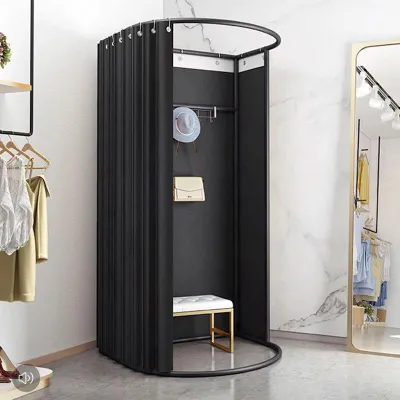

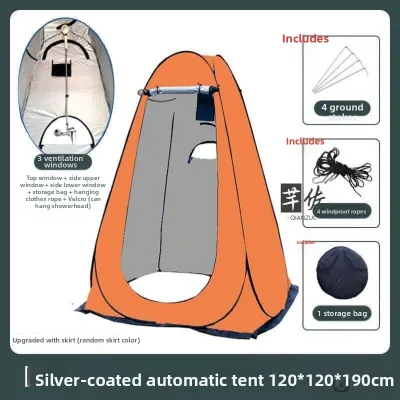
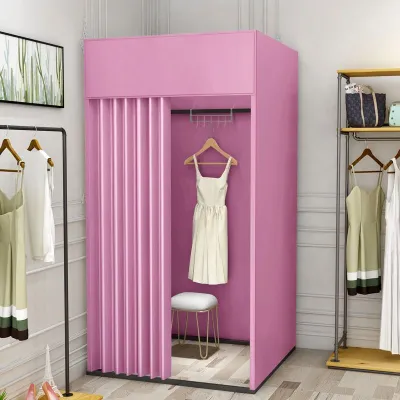
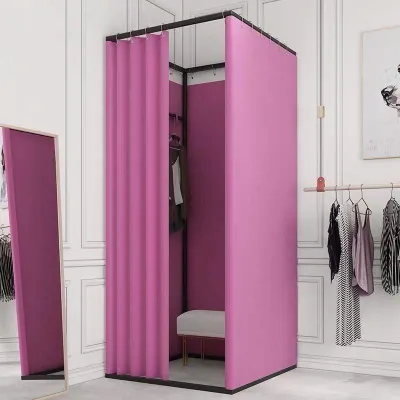
Prices are valid at publication and may change. Please refer to the product page for the latest price.
In Singapore, rain rarely falls in a gentle, vertical pattern. Tropical thunderstorms are frequently accompanied by strong wind gusts that drive raindrops horizontally against the tent walls. This wind-driven rain exerts significantly higher physical pressure on the fabric than a quiet drizzle. When a large raindrop hits a taut tent surface at high speed, the localized impact pressure can easily force water through fabrics with low waterproof ratings. Therefore, a rating that works well in mild climates may prove inadequate during a sudden afternoon squall.
Furthermore, prolonged exposure to heavy rain can gradually saturate fabrics that feature thin or low-quality waterproof coatings. Over time, the constant pressure of water pooling on flat surfaces or beating against the sides will cause moisture to seep through, resulting in a damp interior. Choosing a changing room tent with a robust hydrostatic head rating ensures that the polyurethane or silicone coatings applied to the fabric are thick enough to resist this continuous pressure, keeping your clothes, towels, and gear dry throughout the storm.
Critical Rain-Defense Features Beyond the Fabric Rating
While a high hydrostatic head rating is a vital starting point, the fabric itself is only one part of a tent’s weather defense system. Water is highly opportunistic and will find any path of least resistance to enter your shelter. The most common entry points are not the flat panels of fabric, but the seams where those panels are stitched together. Every needle hole created during the manufacturing process is a potential leak point. To prevent water ingress, look for changing room tents that feature factory-taped or heat-sealed seams, where a waterproof tape is melted over the stitching to block water from passing through.

Zippers and doors represent another common vulnerability in heavy rain. Because changing room tents are tall and vertical, their long zippers are directly exposed to wind-driven rain. High-quality designs incorporate wide fabric storm flaps that fold over the zippers, directing water downward and away from the zipper teeth. Some models also feature water-resistant zippers with polyurethane coatings, though these still benefit from physical fabric covers to ensure maximum protection during intense downpours.
Ventilation is another critical factor that directly impacts how dry the interior of your tent remains. In Singapore’s hot and humid climate, a completely sealed waterproof tent will quickly trap warm air and moisture, leading to heavy condensation on the inside walls. This condensation can easily be mistaken for a leak as it drips down onto your clean clothes. To manage this, select a tent with protected mesh vents near the roof or low-level ventilation panels. These vents should be shielded by a dedicated rainfly or deep fabric hoods that allow air to circulate freely while keeping driving rain outside.
How to Verify Tent Specifications Before Buying
When shopping for a changing room tent, verifying the actual technical specifications is essential to avoid purchasing an under-performing product. Start by looking for official manufacturer specifications on the product packaging, the sewn-in instruction tags, or the official brand website. Reliable outdoor brands will clearly state the hydrostatic head rating (such as “PU 2,000mm”) in their technical details. If this information is readily available from the manufacturer, you can proceed with greater confidence.
Be cautious of vague marketing terms that lack measurable backing. Descriptions such as “water-resistant,” “shower-proof,” “weather-resistant,” or “monsoon-ready” are often used to describe tents that have only received a light water-repellent spray. Without a specific hydrostatic head rating in millimeters, these terms do not guarantee protection against heavy tropical rain. A truly waterproof tent will always back up its claims with a numerical rating.
If you find a changing room tent that fits your size and style requirements but lacks any mention of a waterproof rating, take proactive steps before purchasing. Contact the seller or manufacturer directly to request the specific hydrostatic head measurement and confirmation of seam sealing. If the seller cannot provide these technical details, or if they offer vague assurances without documentation, it is highly recommended to choose an alternative model. Investing in a tent with verified specifications ensures you will not be left with a leaking shelter during a sudden downpour.
Setup and Maintenance for Heavy Rain Conditions
Even the most highly rated changing room tent can fail if it is pitched incorrectly or poorly maintained. Proper site selection is your first line of defense when setting up outdoors. Always look for elevated, well-drained ground to pitch your tent. Avoid natural depressions, dry creek beds, or low-lying areas where rainwater can pool or create active runoff. If water pools around the base of your tent, it can quickly overwhelm the lower seams or splash mud upward, compromising the cleanliness of your changing space.
Achieving correct fabric tension during setup is equally important. Use all the provided guy lines, stakes, and sandbags to secure the tent firmly to the ground. Because changing room tents are tall and narrow, they have a high center of gravity and act like sails in the wind. Tensioning the fabric tightly prevents the walls from sagging or flapping violently in the wind. A taut surface allows rainwater to shed quickly and prevents water from pooling on the roof, which can cause the fabric to stretch, weaken, and eventually leak.
After using your tent in the rain, proper maintenance is crucial to preserve its waterproof qualities. Never pack away a wet or damp changing room tent for long-term storage. In Singapore’s warm, humid environment, mold and mildew can develop on damp fabric within 24 to 48 hours. These fungi will rapidly degrade the polyurethane waterproof coatings, causing them to peel, flake, or become sticky, which permanently ruins the tent’s water resistance. Always hang the tent to dry completely in a shaded, well-ventilated area before folding and storing it in its carry bag.
Frequently Asked Questions (FAQ)
Can I use a standard beach changing tent in heavy rain?
Standard beach changing tents are generally designed for sun protection, privacy, and light wind. They typically lack hydrostatic head ratings and factory seam sealing. If exposed to heavy tropical rain, water will likely penetrate the fabric and seams quickly. It is advisable to check the manufacturer’s specifications and limit beach tent use to fair-weather conditions.
How do I fix a leaking seam on my changing tent?
To repair a leaking seam, first clean the area thoroughly with water and a mild soap, then allow it to dry completely. Apply a compatible polyurethane-based seam sealer along the inside of the seam, following the manufacturer’s specific instructions. Let the sealer cure fully in a dry, well-ventilated space before packing or using the tent again.
Does a higher waterproof rating mean the tent will be hotter inside?
Thicker waterproof coatings can reduce the breathability of the fabric, which may trap heat and condensation inside the tent. To maintain comfort in Singapore’s tropical heat, choose a tent that balances a high waterproof rating with excellent ventilation features, such as mesh windows protected by deep rainfly covers.

Community discussion
Share your experience or ask a question. Comments are reviewed before publication.