
A tennis leather grip is a premium base grip made from natural animal hide that wraps directly around the wooden or composite handle of a tennis racket. Unlike modern synthetic alternatives, a leather grip offers an exceptionally firm, dense, and structured feel that transmits the precise angles of the racket handle bevels directly to your hand. This classic material is favored by players who prioritize maximum tactile feedback, clean bevel transition awareness, and a traditional weight distribution. While it requires a distinct break-in period and regular maintenance, understanding its unique physical properties is essential before deciding to swap out your current synthetic setup.
Understanding the Construction of a Tennis Leather Grip
To evaluate whether a tennis leather grip suits your style, it helps to understand how these grips are constructed and how they differ from synthetic options. Genuine leather grips are manufactured from natural animal hide, typically calfskin or steerhide, which undergoes specific tanning and treatment processes to optimize flexibility, strength, and sweat resistance for athletic use. This natural origin gives the grip its characteristic grain, distinct aroma, and high density.
When shopping for a tennis leather grip, verifying the authenticity of the material is an important first step. You can check the product packaging for official manufacturer labels indicating “genuine leather” or “100% natural hide,” as synthetic look-alikes often use terms like “leather-feel” or “synthetic leather.” Genuine leather also exhibits subtle natural imperfections in the grain and a fibrous underside, which you can inspect if the grip is displayed with an open sample or exposed end.
Products mentioned in this guide
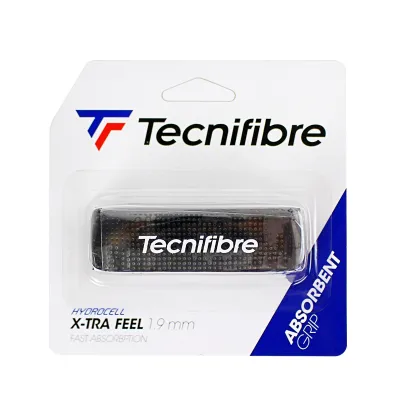
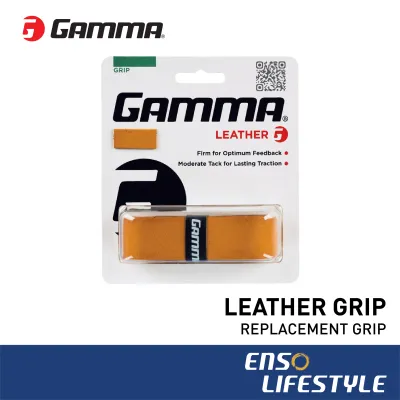
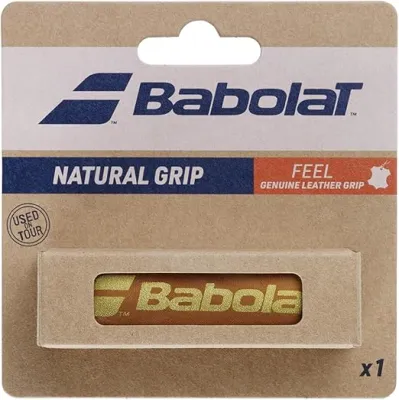
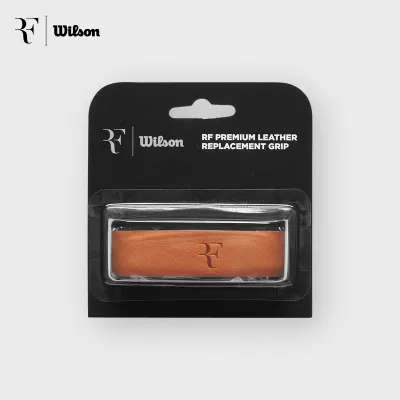
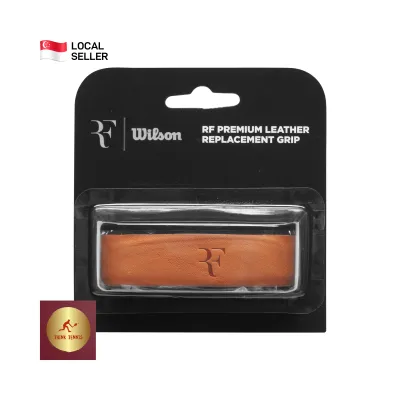
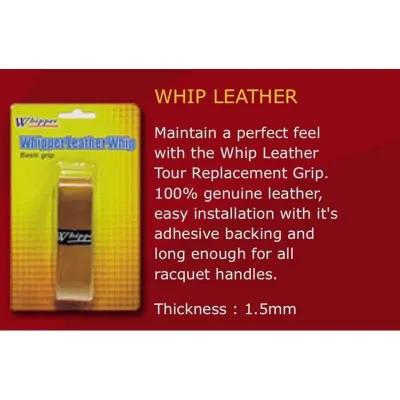
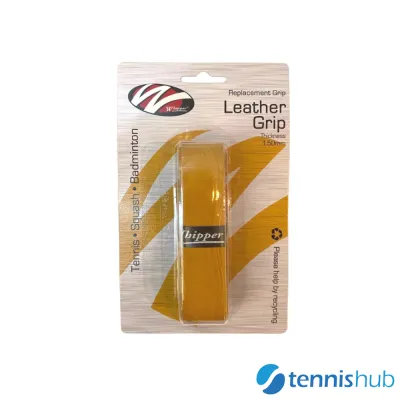
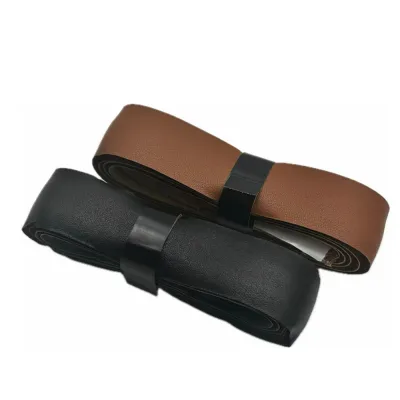
Prices are valid at publication and may change. Please refer to the product page for the latest price.
Physical specifications like thickness and weight vary across different brands and models, directly impacting how the grip fits your racket handle. Standard leather grips typically range from 1.5 mm to 1.8 mm in thickness, which is often slightly thinner or firmer than cushioned synthetic grips. Because leather is significantly denser than polyurethane foam, a leather grip generally weighs between 20 to 30 grams, which can add noticeable mass to the handle area compared to a standard 15-gram synthetic base grip.
It is also crucial to distinguish between a replacement base grip and a pre-installed factory grip. A replacement leather grip is designed with an adhesive backing and a tapered start, allowing you to wrap it directly onto the bare handle pallet of your racket. Pre-installed factory grips, on the other hand, are applied during manufacturing and may feature specific adhesive patterns or custom fits tailored to that exact racket model, meaning aftermarket replacements require careful wrapping to achieve a seamless, secure fit.
The On-Court Feel: Tactile Feedback and Handling
The primary reason players choose a tennis leather grip is the uncompromising tactile feedback it provides during play. Because leather lacks the cushioned, shock-absorbing foam layers found in synthetic grips, it transmits the vibrations of ball impact directly from the racket frame to your palm. This direct feedback allows you to immediately feel where the ball made contact with the string bed, helping you make subtle adjustments to your swing path and timing.

This firmness also enhances your awareness of the racket’s bevels—the flat, angled sides of the handle that define your grip style, such as the Eastern, Continental, or Western grip. With a leather grip, the edges of these bevels feel sharp and distinct, making it easier to transition between different grip positions during fast-paced rallies without looking down at your hand. For players who rely on precise grip changes for volleys, slices, and serves, this structural clarity is a significant performance advantage.
Moisture management on a leather grip operates differently than on synthetic materials. While synthetic grips often rely on chemical tackifiers or porous surfaces to absorb sweat, natural leather absorbs moisture slowly into its fibers. Over time, a bare leather grip can become slippery when saturated with heavy sweat, especially in humid climates like Singapore. Players must monitor this moisture level and decide whether to use the leather bare or apply a thin overgrip to maintain secure traction.
The high density of leather also alters the overall weight distribution and balance of your tennis racket. Installing a heavier leather grip adds mass to the handle, which shifts the balance point of the racket toward the butt cap, making the racket feel more head-light. This shift can increase the maneuverability of the racket, allowing for faster head speed on serves and volleys, though it also increases the overall static weight of your setup.
Finally, players transitioning to leather must prepare for a distinct break-in process. Fresh out of the package, a leather grip feels stiff, rigid, and somewhat unforgiving against the skin. As you play, the heat and pressure from your hand gradually soften the collagen fibers in the hide, causing the material to mold to the unique contours of your fingers and handle bevels. This process requires several hours of active play before the grip reaches its optimal balance of comfort and firm feedback.
Leather vs. Synthetic Base Grips: Comparing the Trade-Offs
Choosing between a tennis leather grip and a synthetic base grip involves weighing several performance trade-offs, starting with durability and wear patterns. Synthetic grips, which are typically made of polyurethane layers over a foam core, tend to degrade through peeling, flaking, or losing their cushioning over a few months of regular play. In contrast, natural leather is exceptionally durable; it does not peel or compress over time, and with proper care, a single leather grip can last for years, slowly wearing down to a smooth, personalized patina.
The sensation of tackiness versus firmness is another key differentiator. Synthetic grips are often engineered to offer immediate, sticky tackiness right out of the box, which helps secure the racket in your hand with minimal grip pressure. Leather grips do not offer this synthetic stickiness; instead, they provide a dry, secure, and structured hold that relies on the natural texture of the hide and the friction of your skin, which some players find more reliable and less distracting during long matches.
Climate and sweat considerations play a major role in how these materials perform on court. In hot, humid conditions, synthetic grips can quickly become saturated, losing their tackiness and feeling mushy or waterlogged. While leather also absorbs sweat, its structural integrity remains unchanged when wet, meaning it will not compress or slide around on the handle pallet, though the surface itself may require an overgrip to prevent slipping if you sweat heavily.
From a cost-to-lifespan perspective, leather grips require a higher initial investment, often costing twice or thrice as much as a standard synthetic replacement grip. However, because leather outlasts synthetic materials by a wide margin, the long-term cost can actually be lower for frequent players who would otherwise need to replace peeling synthetic grips multiple times a year. This makes leather a highly cost-effective choice for players committed to a single racket setup for the long haul.
Deciding If a Leather Grip Matches Your Playing Style
To determine if a tennis leather grip is right for you, consider your specific playing style, physical preferences, and racket specifications. The ideal candidate for a leather grip is an intermediate to advanced player who hits with high swing speeds, values precise control over power, and prefers a head-light racket balance. If you rely heavily on feeling the ball compress against the strings and need to make rapid, subconscious grip adjustments at the net, the firm feedback of leather is highly beneficial.
Conversely, there are several situations where you should avoid leather and stick with synthetic alternatives. If you suffer from frequent arm discomfort, tennis elbow, or wrist fatigue, the lack of vibration dampening in a leather grip can exacerbate these issues by transmitting more shock to your joints. Additionally, if you prefer a soft, pillowy feel, play primarily in cold weather where bare leather can feel uncomfortably stiff, or demand immediate, high-tack adhesion without using an overgrip, synthetics are a safer choice.
Before purchasing, you must also perform compatibility checks on your racket handle. Because leather grips are thinner and compress less than synthetic foam grips, installing one can slightly reduce the overall circumference of your handle, making it feel up to half a grip size smaller. Ensure that this change aligns with your hand size and does not cause you to squeeze the racket too tightly, which can lead to muscle strain.
Finally, take practical verification steps before committing to a purchase. Check the return and exchange policies of your local pro shop or online marketplace, as once a leather grip is wrapped, trimmed, and exposed to sweat, it cannot be returned. If possible, ask to hold a demo racket equipped with a leather grip at your local club to experience the firm bevel feedback firsthand before modifying your own equipment.
Frequently Asked Questions (FAQ)
Do leather tennis grips require a break-in period?
Yes, natural leather tennis grips require an initial break-in period to reach their optimal feel. Because natural hide is naturally stiff and rigid, it takes approximately four to six hours of active play for the material to soften. During this time, the heat, moisture, and pressure from your hand work together to stretch and mold the leather to the exact shape of your racket handle and fingers. To safely ease this process, you can gently flex the grip before installation, but avoid applying oils or leather conditioners, as these can ruin the adhesive backing and make the surface too slippery for play.
Can I use an overgrip on top of a leather base grip?
Using a thin overgrip on top of a leather base grip is a very common practice among professional and recreational players alike. Adding an overgrip provides the immediate tackiness or sweat absorption of synthetic materials while still allowing you to feel the sharp, defined bevels of the underlying leather. However, wrapping an overgrip will slightly increase the overall handle thickness and add a small amount of cushioning, which dampens some of the direct vibration feedback. If you choose this setup, select an ultra-thin overgrip (around 0.4 mm to 0.5 mm) to preserve the structural benefits of the leather base.
How do I maintain and clean a leather tennis grip?
To extend the lifespan of your leather tennis grip, clean it periodically using a slightly damp, lint-free microfiber cloth to wipe away accumulated sweat, dirt, and hand oils. Avoid using harsh household detergents, rubbing alcohol, or soaking the grip in water, as these can strip the natural oils from the hide, causing it to dry out, crack, or lose its structural integrity. After cleaning, allow the grip to air-dry naturally in a cool, well-ventilated area away from direct sunlight or artificial heat sources. If the leather becomes excessively dry, brittle, or begins to crack despite gentle cleaning, it is time to replace the grip.

Community discussion
Share your experience or ask a question. Comments are reviewed before publication.