
To fit an exercise stepper in a typical Singapore HDB flat without blocking walkways, you must match the machine’s footprint to your available floor space. A compact mini stepper, typically measuring around 30 to 35 cm in width and 40 to 45 cm in depth, is the most practical choice for highly constrained layouts, as it can be easily tucked away when not in use. Standard steppers with resistance bands require a slightly larger active workout zone of about 1 to 1.5 square meters to accommodate arm movements, while full-size gym-style steppers with fixed handlebars are generally too bulky for standard HDB walkways and require a dedicated, permanent location.
Assessing Your HDB Layout and Walkway Clearances
Living in a Singapore Housing & Development Board (HDB) flat requires a thoughtful approach to space planning, especially when introducing home fitness equipment. Modern Build-To-Order (BTO) flats and older resale apartments alike feature distinct layouts where living rooms, dining areas, and household shelters must coexist seamlessly. Because corridors and walkways are often narrow, placing a bulky piece of exercise gear in a high-traffic zone can quickly turn a health investment into a daily physical hazard. Keeping pathways clear is not just a matter of convenience; it is a fundamental safety requirement for daily movement and emergency evacuation.
When selecting an exercise stepper, you must distinguish between the machine’s storage footprint and its active usage footprint. The storage footprint refers to the physical dimensions of the stepper when it is tucked away, folded, or placed in a corner. Conversely, the active usage footprint encompasses the space required when you are actively exercising. This includes the maximum extension of the pedals, the lateral movement of your body, and the clearance needed for your arms. Failing to account for this active zone can result in bumped elbows, damaged walls, or restricted movement for other household members.
Products mentioned in this guide
![[SG Ready Stock]Aerobic Stepper Cardio Fitness Home Gym Exercise Step Block Board Height Adjustable Aerobic stepper](https://img.lazcdn.com/g/p/ecee495e1b3ba4bc1dafb2317dfdc8d5.jpg_400x400q80.jpg_.webp)
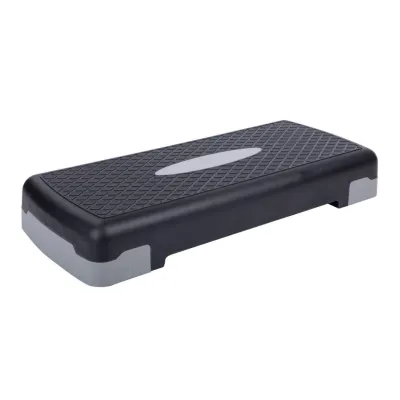
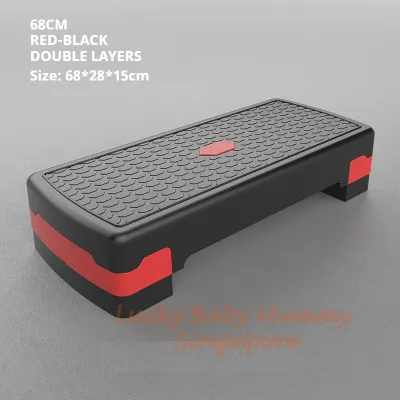
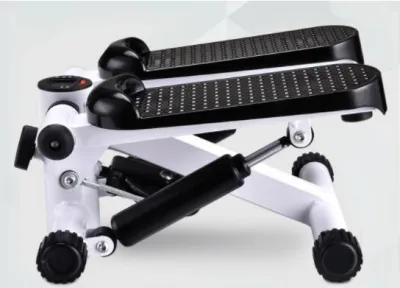
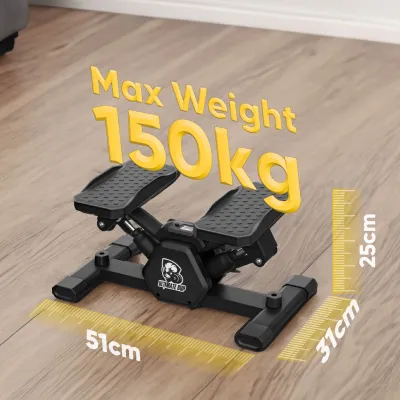
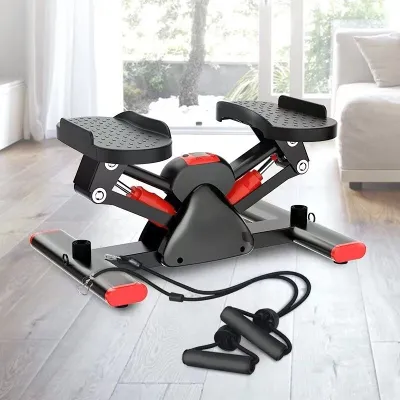
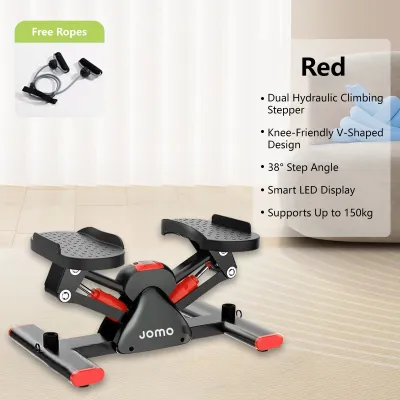
Prices are valid at publication and may change. Please refer to the product page for the latest price.
To maintain a harmonious living environment, daily walkways must remain entirely unobstructed. High-traffic zones, such as the path from the bedrooms to the kitchen or the main entrance corridor, are poor locations for active workouts. If a stepper blocks these areas, family members will constantly have to step around you, increasing the risk of accidental collisions. Therefore, identifying a multi-purpose zone—such as a corner of the living room or a flexible study area—is essential before making a purchase.
It is highly recommended to measure your specific floor plan and room dimensions rather than relying on generic HDB size assumptions. Layouts vary significantly across different BTO projects, mature estates, and resale blocks. For instance, an older 4-room flat might feature a spacious, rectangular living room, whereas a newer 4-room BTO flat might have a more compact, open-concept layout with integrated dining spaces. Taking precise physical measurements of your intended workout and storage areas ensures that your chosen equipment fits your actual home environment.
Comparing Stepper Footprints: Mini, Standard, and Full-Size
Understanding the physical dimensions and spatial requirements of different stepper types is the key to matching the equipment to your measured space. Exercise steppers generally fall into three categories, each offering a different balance of features, stability, and spatial demands.

Mini Steppers and Compact Models
Mini steppers are the most space-efficient option available, typically featuring a base that measures approximately 30 to 35 cm in width and 40 to 45 cm in depth. Their low-profile design means they rarely stand more than 20 to 30 cm off the ground when the pedals are flat. This incredibly compact size makes them highly versatile for small-space living.
These models are ideal for placement in front of the television, under a standing desk for active working, or in a small bedroom corner. Because they lack tall handlebars, they can be easily slid under a bed, placed at the bottom of a wardrobe, or tucked behind a door when your workout is complete. However, the absence of handlebars means you must rely entirely on your core strength and balance. It is crucial to place a mini stepper on a completely flat, stable surface to prevent tipping during use. Always check the manufacturer’s user manual for weight limits and stability guidelines before setting up your equipment.
Standard Steppers with Resistance Bands
Standard steppers offer a mid-sized compromise, typically featuring a slightly wider base of about 40 to 45 cm and a depth of 50 to 55 cm. These models often come equipped with detachable resistance bands that connect to the base, allowing you to engage your upper body while stepping.
While the physical machine is only slightly larger than a mini stepper, the active usage footprint is significantly wider. You must account for the extra lateral and vertical clearance required for your arm movements when pulling the resistance bands. These models are best suited for living rooms or larger bedrooms where a temporary workout zone can be cleared. Once your session is over, the bands can be detached or wrapped around the base, allowing you to easily slide the lightweight machine out of the main walkway.
Full-Size Steppers with Handlebars
Full-size steppers are gym-style machines designed for intense, high-stability workouts. These models feature a substantial footprint, often measuring 60 to 90 cm in width and 80 to 120 cm in depth, with integrated steel handlebars that stand over 1.2 to 1.5 meters tall. They are heavy, robust, and built for maximum durability.
Because of their significant height and weight, full-size steppers are generally less ideal for typical HDB flats unless you have a dedicated home gym room or a particularly large master bedroom. They cannot be easily folded or hidden away, meaning they will permanently occupy floor space. If placed in a standard HDB living room or corridor, they are highly likely to block walkways and disrupt the visual flow of your home. If you choose a full-size model, ensure you have a permanent, dedicated spot that does not interfere with daily household traffic.
How to Measure Your Space for Safe Stepper Use
To ensure your exercise stepper fits your home, can be delivered without hassle, and can be used safely, follow this step-by-step measurement framework.
- Step 1: Check Delivery Access: Before placing an order, measure the widths of your main entrance door, bedroom doors, lift dimensions, and any tight corridor turns. Even if a stepper is compact once assembled, the shipping box can be bulky. Ensuring the boxed or pre-assembled machine can navigate your HDB corridor and doorways prevents delivery day frustrations.
- Step 2: Measure the Machine: Do not rely solely on the basic length and width listed on the product page. Look at the manufacturer's maximum dimensions, which should include the height of the handlebars, the maximum height of the pedals at full extension, and the sweep of any twisting waist attachments or lateral stepping mechanisms.
- Step 3: Calculate the Safety Clearance: Always add a buffer zone around the machine's active footprint. A safe guideline is to maintain at least 0.5 meters of clear space on all sides of the stepper. This buffer prevents you from hitting walls, furniture, or passing family members if you lose your balance or engage in vigorous stepping.
- Step 4: Account for Furniture Swing: Verify that your planned workout location does not block the opening arc of nearby doors, wardrobe panels, kitchen cabinets, or low-hanging windows. Blocking these paths can cause household friction and pose safety risks if someone needs to open a door quickly.
Smart Placement and Storage Strategies for Compact Flats
Integrating fitness equipment into a compact HDB flat does not mean you have to sacrifice your home’s aesthetic or functionality. With a few smart strategies, you can keep your stepper accessible yet unobtrusive.
Look for “dead spaces” within your flat that are otherwise underutilized. The space behind a sofa, the gap at the foot of your bed, or a quiet corner of an enclosed balcony are excellent storage spots. If you choose to store your stepper on a balcony, first check the balcony’s weight limits and ensure the area is fully protected from rain, direct sunlight, and high humidity, which can degrade the machine’s lubricants and electronic components. If you are unsure about the structural integrity of your balcony or the weight limits of your flooring, consult a qualified professional or check your HDB estate guidelines.
If your stepper model is designed to fold or stand upright, utilize vertical storage. Storing a folding stepper vertically against a wall or inside a utility closet drastically reduces its floor footprint. Always ensure the machine is locked securely in its folded position and placed on a stable surface to prevent it from tipping over, especially if you have young children or pets at home.
To make the transition from storage to workout seamless, consider using a rolling equipment mat or low-profile furniture sliders. Placing these under your stepper allows you to easily glide the machine out of its storage nook and into your active workout zone without straining your back or damaging your floors.
Protecting your HDB flooring is also crucial. Common materials like ceramic tiles, vinyl, and laminate can easily scratch or dent under the weight and repetitive motion of a stepper. Placing a high-density rubber or foam exercise mat under your equipment is highly recommended. This mat not only prevents scratches and ensures a firm grip to keep the machine from sliding, but it also helps absorb impact and reduce noise transmission to your downstairs neighbors.
Common Sizing and Placement Mistakes to Avoid
Avoiding common pitfalls during the purchasing and setup process will save you time, money, and household frustration.
- Mistake 1: Only measuring the machine's static base. Many buyers forget to account for their own body movements, such as the lateral swing of their hips, the forward lean of their torso, or the wide sweep of their arms when using resistance bands.
- Mistake 2: Forgetting ceiling height clearance. When you stand on a stepper, your body is elevated by 20 to 40 cm. For tall users, or in flats with lower false ceilings and low-hanging ceiling fans, this elevation can bring your head dangerously close to overhead hazards. Always calculate your total height when standing on the fully extended pedals.
- Mistake 3: Buying a heavy, non-folding model with the intention of moving it daily. If a stepper is too heavy or awkward to lift, you will eventually stop putting it away. It will permanently block your walkway, quickly transitioning from a fitness tool into an expensive clothes rack.
- Mistake 4: Placing the stepper on uneven surfaces, thick shag rugs, or near slippery floor transitions. An unstable base compromises the machine's grip and your balance, significantly increasing the risk of falls and injuries during high-intensity workouts.
Frequently Asked Questions (FAQ)
Can I leave my exercise stepper in the HDB common corridor outside my door?
No, you should not leave your exercise stepper in the common corridor. Singapore Civil Defence Force (SCDF) fire safety regulations strictly prohibit the obstruction of common corridors, staircases, and lift lobbies with personal items, including fitness equipment. Keeping these pathways clear is vital for safe evacuation during emergencies and to allow access for emergency services. All exercise equipment must be kept entirely inside your flat to avoid warnings, disputes, or potential fines.
Will using a stepper in my HDB flat cause noise complaints from neighbors?
It is possible if proper precautions are not taken. The repetitive foot impacts and mechanical movement of a stepper can transmit low-frequency vibrations through the concrete floor slabs of HDB blocks, which can be highly audible to neighbors living directly below you. To maintain good neighborly relations, always place a thick, high-density anti-vibration mat under your stepper to absorb the impact. Additionally, try to schedule your workouts during reasonable daytime or early evening hours, avoiding late-night or early-morning sessions.

Community discussion
Share your experience or ask a question. Comments are reviewed before publication.