
Fitting a stair climber into a standard Singapore Housing & Development Board (HDB) flat requires balancing the machine’s physical dimensions with the reality of compact communal living. While a compact mini stepper can easily tuck under a bed, a full-sized, motorized stair climber demands a substantial permanent footprint. To determine if a machine will fit, you must look beyond the static base measurements listed on product brochures. The true space requirement includes the dynamic operational clearance—the extra room your body needs as you move, bend, and step. Before committing to a purchase, you must measure your floor area, verify your ceiling height against your own height plus the machine’s maximum pedal elevation, and map out a dedicated safety zone. Relying on generic size assumptions can lead to blocked walkways or an unusable machine, making a systematic measurement process essential.
How to Measure Your HDB Room for Cardio Equipment
Accurately measuring your available space is the most critical step before purchasing any heavy cardio equipment. Begin by clearing the target area and using a metal measuring tape to record the exact floor length and width. Do not rely on eye-balling the space, as baseboards, power outlets, and wall trim can reduce the actual usable floor area by several centimeters. When measuring, note the location of permanent fixtures such as built-in wardrobes, bed frames, and study desks. You must ensure that the machine does not obstruct the opening of wardrobe doors or drawers, nor should it restrict access to wall sockets.
Ceiling height is a frequently overlooked dimension that is absolutely critical for vertical stepping equipment. Standard HDB ceilings typically measure around 2.6 meters, though some newer developments or units with false ceilings may have lower clearances. Measure from the exact spot on the floor where the machine will sit up to the ceiling. If you plan to place the machine beneath a ceiling fan or a low-hanging light fixture, measure the clearance to the lowest point of those fixtures rather than the ceiling itself.
Products mentioned in this guide
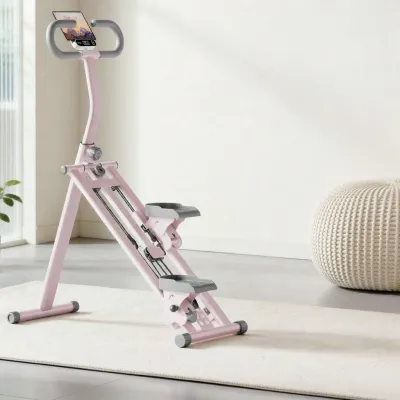
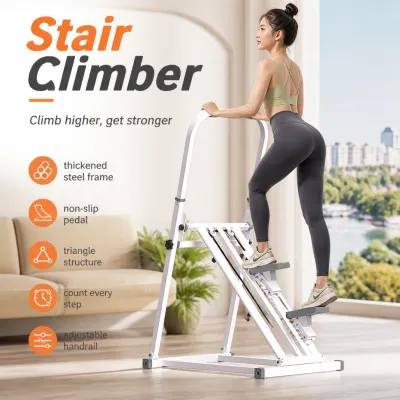
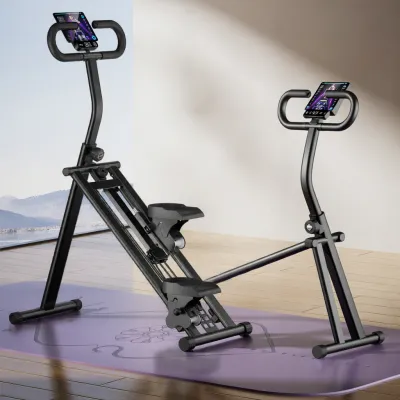
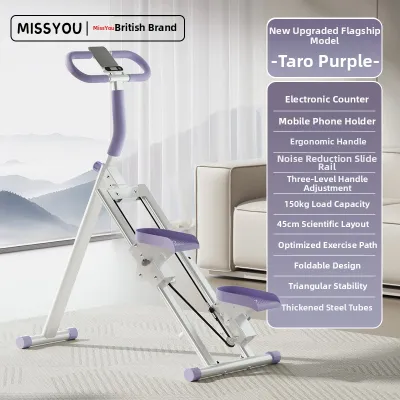
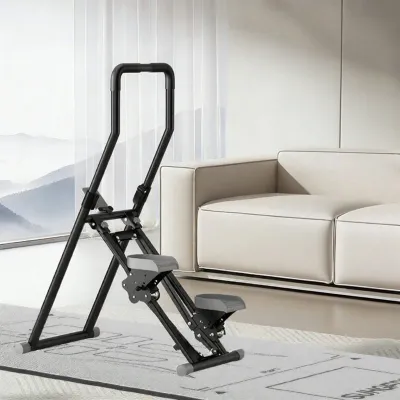
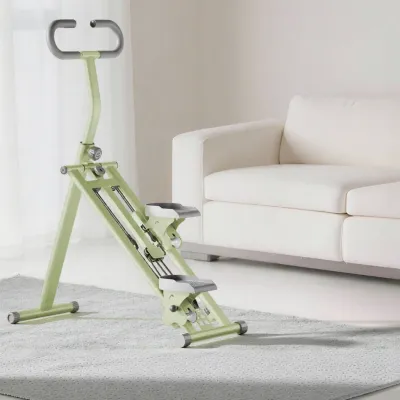
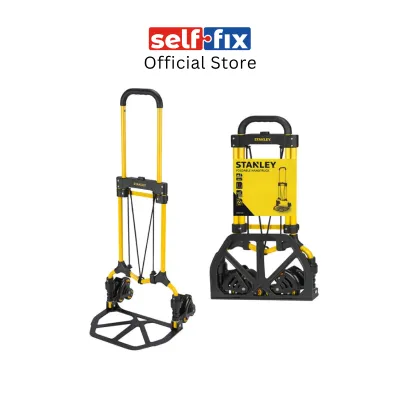
Prices are valid at publication and may change. Please refer to the product page for the latest price.
Finally, map out a permanent “keep clear” zone around the proposed site. This zone must remain completely free of furniture, loose cables, and household items to ensure safe daily passage. Walkways must remain wide enough for household members to move comfortably without squeezing past the machine. In the event of an emergency, your primary exit routes must be entirely unobstructed, meaning the stair climber cannot sit within the natural path toward doors or main corridors.
Comparing Stair Climber Footprints and Types
Stair climbers come in several distinct designs, each presenting unique spatial challenges and structural requirements for an HDB layout. Understanding these categories allows you to match the equipment to your specific room dimensions and structural limits. By comparing the physical design of compact steppers against full-size motorized units, you can narrow down your options before diving into detailed product specifications.

Mini Steppers vs. Full-Size Stair Climbers
Mini steppers are highly compact, non-motorized devices that focus solely on the foot pedals, often utilizing hydraulic resistance cylinders. These machines typically occupy a minimal floor footprint, often measuring less than 50 centimeters in both length and width. Their lightweight nature makes them exceptionally suited for tight HDB bedrooms, as they can be easily lifted, stored in closets, or slid under a bed frame when not in use. They require virtually no permanent floor space and can be set up on any flat surface for a quick workout session.
In contrast, full-size stair climbers—including rotating stairmills and heavy-duty manual climbers—are substantial pieces of fitness equipment. These machines feature large frames, handrails, and electronic consoles, often requiring a permanent floor footprint of at least 1.2 meters in length and 0.8 meters in width. Because of their significant structural weight, which can easily exceed 80 kilograms, these models are generally unsuitable for frequent moving. They require a dedicated, permanent location, typically in a spacious living room or a large spare room, where they will not disrupt the flow of the household.
Evaluating Foldable and Compact Designs
For homeowners trying to maximize limited square footage, foldable or collapsible stair climbers appear to offer an ideal compromise. However, you must carefully evaluate the manufacturer’s specified folded dimensions against your actual storage space. A machine that folds flat may still be too long to fit into a standard wardrobe, or too thick to slide under a low-clearance bed frame. Additionally, consider the physical effort and time required to fold, unfold, and lock the machine into place before and after every workout. If the setup process is overly cumbersome, the equipment is likely to end up permanently unfolded, defeating its space-saving purpose.
Stability and safety must never be sacrificed for the sake of portability. Foldable designs rely on hinges, locking pins, and joints that can wear down over time with repetitive use. Before purchasing, verify the maximum weight capacity specified by the manufacturer and inspect the locking mechanisms. Lightweight, collapsible frames may exhibit slight wobbling or frame flex during high-intensity workouts, which can compromise your balance. Ensure the frame is constructed from robust steel and that the folding joints lock securely without any play or movement.
Safety Clearances and Installation Boundaries
Operating a stair climber safely requires establishing strict physical boundaries around the machine. You must maintain a minimum clearance of at least 50 to 60 centimeters on both sides of the climber. This lateral space is necessary to allow your arms to swing naturally without striking walls or furniture, and to ensure you can easily mount and dismount the machine. Behind the machine, keep a clear zone of at least 1 meter. This rear clearance is a vital safety buffer; if you lose your balance or slip off the pedals, you must have enough unobstructed space to land safely without colliding with hard walls or sharp furniture edges.
Ceiling clearance requires a simple mathematical check to prevent painful head injuries. To calculate your required ceiling height, use the following formula:
Your Height + Maximum Pedal Height + Safety Margin < Ceiling Height
The maximum pedal height refers to the distance from the floor to the top of the pedal at its highest point of travel. The safety margin should be at least 15 to 20 centimeters to account for the natural vertical bounce of your body while stepping. If this total exceeds your measured ceiling height, you risk striking your head against the ceiling, concrete beams, or light fixtures during use.
Floor load and acoustic management are also critical considerations in multi-story HDB blocks. The repetitive, downward force of stepping, combined with the weight of the machine and your body, can create significant vibrations that travel through the concrete floor slab. To maintain good relations with your downstairs neighbors, you should place a high-density rubber equipment mat beneath the stair climber. This mat helps distribute the weight evenly, protects your flooring from scratches, and dampens the low-frequency thuds and mechanical hums generated during your workout.
Common Space-Matching Mistakes to Avoid
One of the most frequent errors buyers make is confusing the machine’s static base footprint with its dynamic operational space. The static footprint is simply the physical measurement of the metal frame resting on the floor. The dynamic space, however, includes the outward swing of the pedals, the movement of the handlebars, and the physical space occupied by your body as you lean forward during exercise. Always add at least 20% to the manufacturer’s listed base dimensions to estimate the actual space required during an active workout.
Another common mistake is ignoring the vertical hazards present in HDB rooms. While a room might have a standard ceiling height, the presence of false ceilings, decorative plaster moldings, low-hanging pendant lights, or ceiling fans can drastically reduce safe clearance. Operating a stair climber directly beneath an active ceiling fan is extremely dangerous. Always position the machine well away from the rotation radius of any ceiling fan, ensuring there is no physical possibility of contact even if you stretch your arms upward.
Finally, do not overlook the practical layout of your room’s entryways and utilities. A stair climber placed too close to a door frame can block the door’s full swing radius, trapping you inside or preventing entry. Similarly, check the distance from the machine to the nearest wall power outlet if you are purchasing a motorized model. Avoid running long extension cords across active walkways, as these create severe tripping hazards. The machine should sit close enough to an outlet so that the power cable can run safely along the baseboard, out of the path of daily foot traffic.
Frequently Asked Questions (FAQ)
Do I need a special mat for a stair climber in an HDB flat?
Yes, using a high-density rubber equipment mat is highly recommended when installing a stair climber in an HDB flat. The repetitive stepping motion creates localized downward forces and vibrations that can easily transfer through the concrete floor, resulting in a low-frequency drumming noise for the neighbors living directly below you. A proper mat absorbs these vibrations, dampens mechanical noise, and prevents the machine from slipping or walking across the floor during intense sessions. Additionally, the mat protects your home’s flooring from scratches, indentations, and sweat stains. Ensure the mat you select is slightly larger than the machine’s maximum operational footprint to catch any stray moisture and provide a stable, non-slip border.
Can I keep a stair climber on an HDB balcony?
Placing a stair climber on an HDB balcony is generally not recommended unless the balcony is fully enclosed and climate-controlled. Singapore’s tropical climate features high humidity, frequent heavy rainfall, and intense direct sunlight, all of which can rapidly degrade fitness equipment. Moisture can seep into electronic consoles, rust steel frames, and degrade hydraulic fluid in mini steppers, leading to premature mechanical failure. Direct sunlight can also warp plastic components and degrade rubber grips or pedals. Furthermore, most manufacturers explicitly state in their user manuals that warranties are voided if the equipment is stored or used in outdoor or semi-outdoor environments. To protect your investment and ensure safe operation, keep the machine indoors in a dry, well-ventilated room.

Community discussion
Share your experience or ask a question. Comments are reviewed before publication.