
When shopping for a 4kg dumbbell in Singapore, the key factors to evaluate are the outer coating material, the shape of the weight heads, handle ergonomics, and overall build quality. Because a 4kg weight is highly versatile—often used for high-repetition endurance training, physical therapy, or targeted upper-body isolation—the right choice depends heavily on your specific training style and home environment.
In Singapore’s humid climate and typically compact residential spaces, secondary factors like rust resistance, floor protection, and noise dampening become just as critical as the weight itself. Selecting the wrong material or shape can lead to damaged flooring, premature rusting, or a grip that slips during intense workouts. By focusing on verifiable product specifications and construction methods, you can find a durable set of weights that matches your fitness routine.
Define Your Workout Needs and Storage Space
Before purchasing a 4kg dumbbell, clarify the primary exercises you plan to perform. This weight class is highly effective for isolation movements like lateral raises, bicep curls, and tricep extensions, as well as high-rep cardiovascular training or physical therapy. If your workouts involve rapid, fluid movements or shadow boxing, a fixed-weight dumbbell is generally more stable and safer than an adjustable model, which may have moving parts that rattle or shift.
Products mentioned in this guide
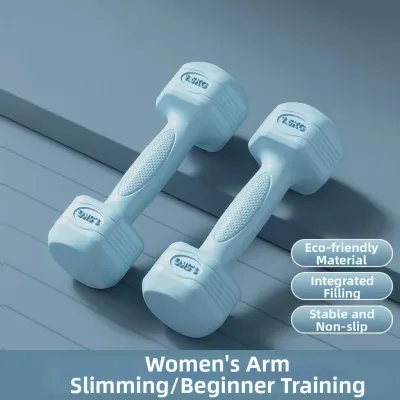
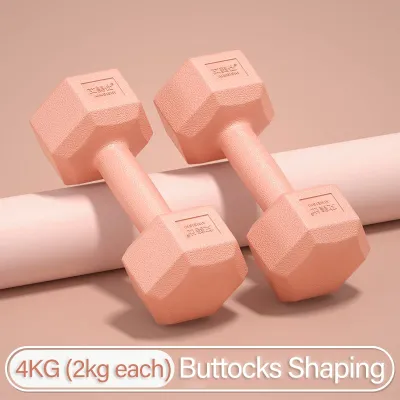
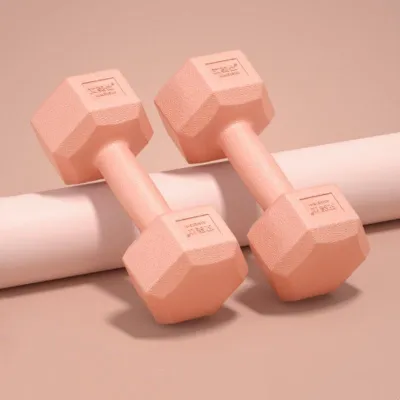
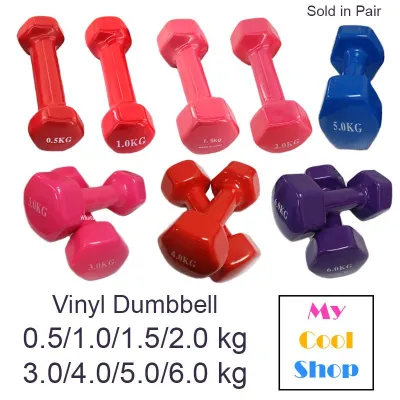
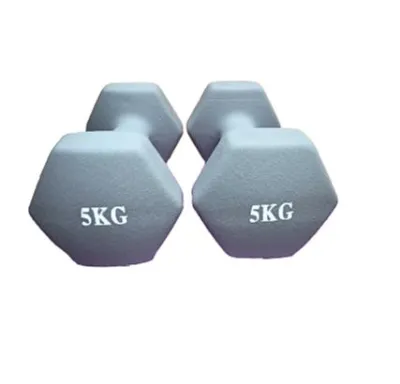
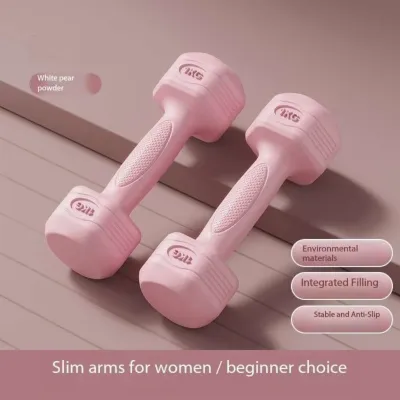
Prices are valid at publication and may change. Please refer to the product page for the latest price.
Your choice of dumbbell shape directly impacts safety and storage convenience. Hexagonal dumbbells feature flat edges that prevent them from rolling across the floor when set down. This design is essential if you perform floor-based exercises like renegade rows or push-ups on the dumbbell handles. Round dumbbells, while classic, require a dedicated rack or storage blocks to prevent them from rolling away, which can pose a tripping hazard in smaller living areas.
Storage space is a premium consideration in typical Singapore apartments, such as HDB flats. If you do not have a dedicated home gym room, you will likely store your weights under a bed, in a closet, or in a corner of the living room. Consider how the dumbbell interacts with your flooring; hard, bare cast iron can easily scratch vinyl, laminate, or parquet flooring if dropped or dragged. Opting for a shape and material that can be stored easily without damaging your home is a key first step.
Choose the Right Material and Coating for Your Environment
Singapore’s tropical climate brings high relative humidity year-round, which accelerates the oxidation of bare metals. When selecting a 4kg dumbbell, the outer coating is your primary defense against rust and wear. Common materials include neoprene, vinyl, rubber, and coated cast iron, each offering distinct advantages and maintenance requirements.

Neoprene coatings provide a matte, slightly textured surface that offers excellent grip security, even when your hands are sweaty. Neoprene is relatively soft, which helps dampen noise when the weights are set down and protects delicate indoor flooring from scratches. Vinyl coatings, on the other hand, feature a smooth, glossy finish that is exceptionally easy to wipe clean after a workout. However, vinyl can become slippery when wet with sweat, requiring a tighter grip during high-rep exercises.
Rubber-coated dumbbells are highly durable and excellent for noise reduction, making them a popular choice for apartment dwellers who want to avoid disturbing neighbors downstairs. However, some synthetic rubber coatings can emit a strong chemical odor when new. If you are sensitive to smells or plan to store your weights in a poorly ventilated bedroom, check product descriptions for low-odor or medical-grade rubber specifications, or plan to let the weights cure in a well-ventilated area for a few days.
For those who prefer classic metal dumbbells, look for specific rust-resistant finishes rather than bare iron. Chrome plating and high-quality powder coatings provide a protective barrier against moisture and sweat. Ensure the coating is uniform across the entire surface; any chips or thin spots can allow moisture to penetrate, leading to localized rust that can eventually cause the coating to peel.
Check Handle Ergonomics and Grip Security
An ergonomic handle is crucial for maintaining control and preventing hand fatigue during your workouts. The handle diameter of a 4kg dumbbell should feel comfortable and secure in your hand. Handles that are too thick can overwork your forearm muscles, while handles that are too thin can cause hand cramping during longer training sessions.
Evaluate the grip texture based on your training preferences. Many metal dumbbells feature knurling, which is a cross-hatched pattern cut into the steel. A medium or light knurling pattern provides excellent mechanical grip without being overly abrasive on your palms. If you prefer a softer feel, textured neoprene or rubber-coated handles offer sufficient friction for a 4kg weight without the need for metal knurling.
Contoured or ergonomically shaped handles are slightly thicker in the middle and taper toward the ends. This design conforms to the natural shape of a closed fist, distributing the weight more evenly across your palm. If you have sensitive joints or are recovering from a wrist injury, a contoured handle can help reduce localized pressure points during pressing and pulling movements.
Verify Build Quality and Weight Tolerances
High build quality ensures that your dumbbells remain safe to use over years of regular training. Inspect the construction method of the dumbbell. Single-piece solid castings, where the handle and weight heads are molded from a single piece of metal, are inherently more durable than multi-piece designs. In cheaper multi-piece dumbbells, the heads are welded or bolted to a central shaft, which can loosen, rattle, or detach over time under repeated impact.
Weight tolerance is another critical quality indicator. Lower-end manufacturing processes can result in dumbbells that weigh significantly more or less than the stated 4kg. Look for manufacturers that specify a tight weight tolerance, typically within a range of plus or minus three percent. A significant weight discrepancy between your left and right dumbbells can lead to asymmetrical muscle development or joint strain over time.
Before finalizing your purchase, perform a physical inspection if possible, or review detailed product photos. Check for manufacturing defects such as sharp casting seams, rough edges on the handle, or bubbling in the protective coating. These imperfections can snag on your clothing, irritate your skin, or create weak points where the coating will begin to peel and expose the underlying metal to sweat and humidity.
Navigate Retailers, Shipping, and Warranties
When purchasing fitness equipment in Singapore, choosing the right buying channel can save you time and unexpected costs. Specialized local sports retailers often allow you to handle the dumbbells in person, giving you a clear sense of the grip texture, handle diameter, and overall build quality before you commit to a purchase.
If you choose to buy from online marketplaces or ecommerce platforms, pay close attention to shipping fees and delivery terms. Dumbbells are heavy, dense items, and shipping costs can add up quickly. Some online sellers offer free local delivery once you meet a minimum spending threshold, while others charge flat rates based on weight. Verify whether the delivery service includes transport directly to your doorstep, especially if you live in a multi-story building.
Review the retailer’s return policy and warranty coverage carefully. Returning a heavy item due to a change of mind can be logistically difficult and expensive if you are required to cover the return shipping costs. Look for warranties that cover structural defects, such as the weight head detaching from the handle, rather than normal cosmetic wear like scuffs, scratches, or minor paint fading. A reliable warranty is a strong indicator of the manufacturer’s confidence in their product’s durability.
Frequently Asked Questions (FAQ)
Is a 4kg dumbbell heavy enough for building muscle?
Yes, a 4kg dumbbell can be effective for building muscle, particularly when used for targeted isolation movements or high-repetition training. Muscle hypertrophy can be achieved using lighter weights by performing exercises close to muscular failure, which stimulates muscle fibers effectively. While heavier weights are typically required for rapid strength gains in large compound movements, a 4kg weight is highly suitable for smaller muscle groups like the lateral deltoids, rotator cuffs, and triceps, as well as for progressive overload in rehabilitation settings.
Can I use a 4kg dumbbell for both upper and lower body exercises?
Yes, you can use a 4kg dumbbell for both upper and lower body exercises, though its effectiveness varies by muscle group. For upper body movements like shoulder presses, bicep curls, and lateral raises, 4kg provides a versatile level of resistance for many fitness levels. For lower body movements like squats or lunges, 4kg may quickly feel too light to stimulate the larger glute and quadricep muscles. To increase the challenge for your lower body without buying heavier weights, you can perform unilateral exercises like single-leg Romanian deadlifts or Bulgarian split squats, increase your total repetitions, or slow down the tempo of each movement.

Community discussion
Share your experience or ask a question. Comments are reviewed before publication.