
Your climbing gear is the only thing standing between a controlled descent and a catastrophic fall. Among your equipment, the humble carabiner hook is a critical link in the safety chain, bearing the forces of falls, belays, and anchors. Knowing exactly when to retire this vital piece of hardware is not just a matter of gear maintenance; it is a fundamental safety skill that every climber must master.
To determine if your carabiner is safe, you must perform regular visual and physical checks, focusing on gate functionality, structural wear, and hidden environmental damage. While some surface wear is a normal part of climbing, certain flaws demand immediate retirement. If you ever find yourself questioning the integrity of a connector, the golden rule of climbing safety always applies: when in doubt, retire the gear.
Quick Safety Check: When to Immediately Retire a Carabiner Hook
In high-risk sports like rock climbing, equipment cannot replace sound judgment, proper training, and rigorous pre-use checks. Before you tie in or build an anchor, you must verify that every carabiner hook on your harness is fully functional. There are several non-negotiable ‘stop using’ conditions that require you to immediately remove a carabiner from service.
Products mentioned in this guide
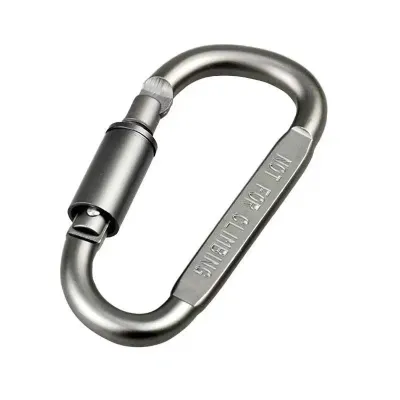


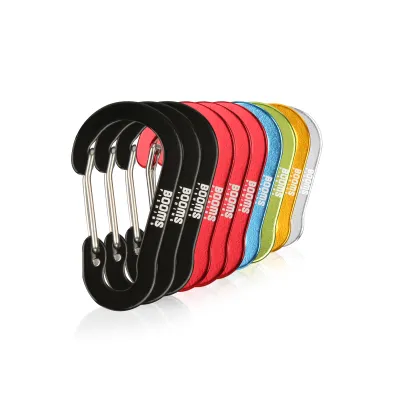
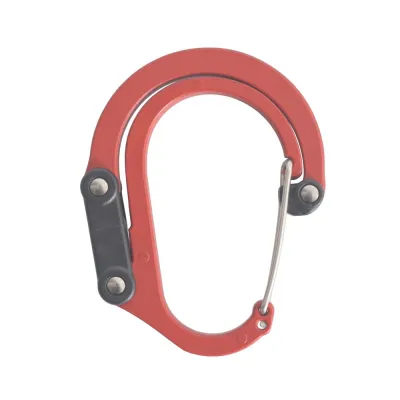
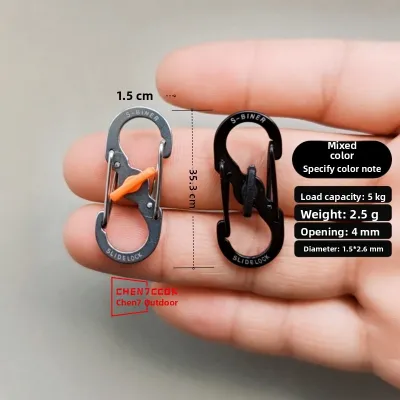
Prices are valid at publication and may change. Please refer to the product page for the latest price.
First, inspect the metal body for any visible cracks, deep fissures, or severe deformation. A carabiner that has been bent out of its original shape, even slightly, has had its structural integrity compromised and can no longer be trusted to hold a fall. If you notice the gate does not close, lock, or seat properly into the nose, the carabiner is unsafe. A gate that stays partially open reduces the strength of the carabiner to a fraction of its rated closed-gate capacity.
Exposure to extreme heat or harsh chemicals is another immediate retirement trigger. If a carabiner has been exposed to acidic substances, industrial solvents, or temperatures high enough to alter its metallurgical properties, it must be decommissioned immediately. Because gear failure in climbing can lead to catastrophic consequences, you must never compromise on these safety boundaries.
To evaluate a suspect carabiner, compare it directly against a brand-new version of the exact same model. Check for differences in shape, gate tension, and alignment. Always consult the specific manufacturer’s retirement criteria and user manual for your gear, as different materials and designs have distinct safety thresholds.
Step-by-Step Inspection: Spotting Wear and Damage on Your Carabiner Hook
Regular, systematic inspections are essential for catching gradual wear before it becomes a critical hazard. To perform a reliable check, you need to set up a clean, dry, and well-lit workspace where you can examine each carabiner hook closely. Good lighting is particularly important for spotting tiny hairline fractures that might otherwise go unnoticed.

Before beginning your inspection, clean the carabiners thoroughly if they are caked in climbing chalk, dirt, mud, or sand. Debris can easily hide micro-fractures, clog the gate hinge, or interfere with the locking mechanism, leading to a false assessment of the gear’s condition. Refer to the manufacturer’s care instructions for the approved washing methods to ensure you do not inadvertently damage the anodized coating or internal springs.
Checking the Carabiner Body and Spine
Begin your physical inspection by slowly running your fingers along the entire spine, basket, and rope-bearing surfaces of the carabiner. You are feeling for sharp edges, burrs, or deep grooves created by rope friction or metal-on-metal contact with bolts. While minor surface polishing and light cosmetic scratches are normal results of regular climbing, deep grooves are a major safety concern.
Rope friction gradually wears down the metal, especially on the basket where the rope runs continuously during lowering or rappelling. If you detect a distinct groove, you must verify its depth. Deep rope grooves not only weaken the overall strength of the metal but can also create sharp edges that can slice into your climbing rope. Check your manufacturer’s manual for the precise wear limits; many brands specify retirement if the metal is worn down by more than ten percent of its original thickness.
Next, perform a detailed visual check for hairline cracks, focusing intensely on high-stress areas such as the nose, the hinge pin, and the curves of the spine. Even a microscopic crack can expand rapidly under the dynamic load of a climber’s fall, leading to sudden structural failure.
Finally, look closely for signs of chemical corrosion, pitting, or unusual discoloration. Corrosion appears as white, powdery oxidation or dark, rough spots that eat into the metal surface. Pitting structurally weakens the aluminum alloy, making the carabiner highly unpredictable under load. If you observe any bubbling of the anodized finish or deep pitting, the carabiner must be retired immediately.
Evaluating the Gate and Nose Mechanism
The moving parts of a carabiner hook are critical to its safety, as a gate that fails to close completely leaves the connector in its weakest state. Start by opening the gate fully and letting it snap shut. Repeat this action multiple times, observing the movement closely. The gate must snap back instantly and smoothly with a crisp, clear sound, without any hesitation or stickiness.
Check for excessive gate play by gently wiggling the gate side-to-side while it is open and closed. A small amount of lateral movement is normal in many designs, but excessive wobble indicates a worn hinge pin or a deformed frame. Ensure that the gate aligns perfectly with the nose and seats fully into the notch or keylock slot without catching, rubbing, or leaving a visible gap.
For locking carabiners, you must test the locking sleeve thoroughly. Whether you use a manual screw-gate, a twist-lock, or an auto-locking mechanism, the sleeve must rotate smoothly along its threads without binding. Check for accumulated grit, cross-threading, or physical damage to the threads. The locking sleeve must fully engage and prevent the gate from opening when pressure is applied.
If a gate feels sluggish, sticky, or weak, attempt to clean and lubricate it according to the manufacturer’s guidelines. If the gate continues to malfunction, stick, or fail to snap shut after proper maintenance, the internal spring is likely damaged or fatigued. A sticky gate is a critical safety risk that cannot be tolerated on the wall; retire the carabiner immediately.
Hidden Risks: Environmental Exposure and Impact Damage
Some of the most dangerous threats to climbing gear are invisible to the naked eye. Structural degradation can occur deep within the metal alloy, leaving the exterior looking completely normal. Understanding these hidden risks is essential for making accurate retirement decisions.
A common concern among climbers is the impact of dropping a carabiner hook from a height. If you drop a carabiner onto a soft surface like grass or a padded climbing gym floor, the structural risk is generally minimal. However, a high-impact drop from a significant height onto hard rock or concrete can introduce internal micro-fractures that compromise the metal’s strength without showing any external cracks. Because these micro-fractures cannot be detected without specialized industrial testing, you must consult the manufacturer’s guidelines regarding drop retirement policies and err on the side of caution if a severe impact occurs.
Environmental factors also play a major role in gear degradation. In tropical environments like Singapore, high humidity, intense heat, and salt air from coastal climbing areas accelerate corrosion. Leaving your climbing gear inside a hot car parked in the sun can subject the metal to extreme temperatures. High heat can alter the heat treatment of aluminum alloys, permanently reducing their load-bearing strength without changing their appearance. Always store your gear away from direct sunlight, high temperatures, and open flames.
Chemical exposure is another silent killer of climbing hardware. Contact with harsh chemicals, such as car battery acid, strong solvents, household bleach, or unapproved cleaning agents, can cause rapid, severe degradation of aluminum. Even brief contact with battery acid in the trunk of a car can ruin a carabiner’s structural integrity. If you suspect your gear has come into contact with any corrosive chemicals, do not attempt to clean or use it; retire it immediately.
Establishing a Retirement Plan and Inspection Routine
To keep yourself and your climbing partners safe, you must establish a consistent gear inspection routine and a clear end-of-life plan for your equipment. Safety checks should not be occasional events; they must be integrated into your regular climbing habits.
Adopt a multi-tiered inspection frequency to monitor your gear effectively. Before every single climb, perform a quick tactile and visual check of the carabiner hooks you are using, ensuring the gates open and close smoothly. Periodically, or after periods of heavy use, conduct a thorough, deep inspection in a dedicated workspace, checking every component systematically.
Keeping a gear log or tracking system is highly recommended, especially if you climb frequently or manage gear for a group. Record the purchase date, usage frequency, and any notable events, such as drops or exposure to harsh weather. While aluminum carabiners do not have a strict shelf-life expiration date like soft goods (such as ropes and harnesses) when stored properly in a cool, dry place, their active lifespan is determined entirely by how often and where they are used.
When a carabiner hook reaches the end of its safe service life, you must retire it permanently. To prevent accidental reuse on the climbing wall, clearly mark the retired gear. You can use spray paint, heavy-duty tape, or physical defacement to ensure nobody mistakes it for active life-support equipment.
If you choose to repurpose retired carabiners for low-risk, non-life-support tasks around the house or campsite, ensure they are kept completely separate from your active climbing rack. If there is any risk of confusion, the safest action is to destroy the carabiner by crushing it or cutting it in half before disposal.
Frequently Asked Questions (FAQ)
Can I use a retired climbing carabiner hook for everyday tasks?
Yes, you can repurpose a retired carabiner hook for non-life-support tasks, such as organizing keys, hanging gear in your garage, or securing light accessories to a backpack. However, you must permanently mark or alter the carabiner so that it can never be mistaken for active climbing gear. Use bright spray paint, wrap it in colored tape, or scratch the surface deeply to indicate its retired status. If the structural integrity of the carabiner is severely compromised, destroy it completely to ensure it is never accidentally used in a safety-critical scenario.
How should I clean and lubricate my carabiner to extend its safe lifespan?
To clean your carabiner, first check the manufacturer’s care instructions for specific guidelines. Generally, you can wash the hardware in warm water with a mild, non-detergent soap, using a soft-bristled brush to gently scrub away dirt, sand, and chalk from the gate hinge and locking mechanism. Rinse the carabiner thoroughly with clean water to remove all soap residue. After drying it completely, apply a small drop of a manufacturer-approved dry lubricant, such as graphite or a specialized PTFE spray, directly to the hinge and spring area. Avoid using heavy, wet oils or WD-40, as they attract dirt and abrasive sand, which can accelerate wear on the moving parts.

Community discussion
Share your experience or ask a question. Comments are reviewed before publication.