
When choosing a 350ml sports water bottle to keep your drinks ice-cold during a workout, the brand name printed on the exterior is far less important than the bottle’s physical construction and engineering. In hot and humid climates, such as during outdoor workouts in Singapore, heat transfer occurs rapidly through radiation, conduction, and convection. While many manufacturers claim their proprietary technology offers superior cold retention, the actual thermal performance of a compact 350ml bottle is governed by basic thermodynamics, specifically the quality of its double-wall vacuum insulation and the design of its lid. Because independent, standardized thermal testing across every brand’s 350ml lineup is rarely available, finding the bottle that keeps water coldest requires evaluating verifiable physical specifications rather than relying on marketing slogans.
A 350ml capacity is highly practical for short, high-intensity workouts, running, or gym sessions where minimizing weight is a priority. However, because a smaller volume of liquid has less thermal mass than a larger volume, a 350ml bottle is naturally more susceptible to warming up quickly if heat is allowed to enter. To maintain a refreshing, chilled temperature from the first sip to the last, you must look closely at how the bottle is built, how the lid seals, and how well it resists the ambient temperature of your specific exercise environment.
Key Specs That Determine Cold Retention in 350ml Bottles
To understand how a sports water bottle prevents your drink from warming up, it is essential to look at the physical barrier between the liquid and the outside air. The primary defense against heat transfer is double-wall vacuum insulation. This construction consists of an inner stainless steel flask and an outer stainless steel shell, with the air completely evacuated from the space between them. Because a vacuum contains no air molecules, it virtually eliminates heat transfer by conduction and convection, leaving radiation as the only path for heat to travel. When evaluating a 350ml bottle, verify that the manufacturer explicitly specifies “vacuum insulated” rather than simply “double-walled,” as a simple double-walled bottle filled with air or foam provides significantly less thermal resistance.
Products mentioned in this guide
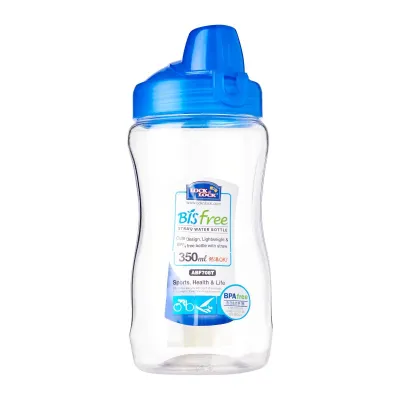
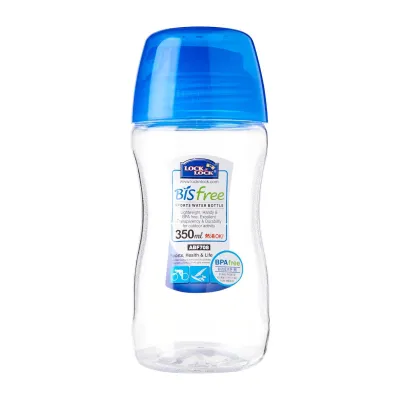
Prices are valid at publication and may change. Please refer to the product page for the latest price.
While the vacuum-insulated body is highly efficient at blocking heat, the lid of the bottle represents the most vulnerable point for thermal leakage. Unlike the double-walled metal body, most lids are made of plastic or silicone, which are poorer insulators, and they must create a physical seal against the metal rim. The integrity of this seal depends on the quality of the silicone gasket and the depth of the screw threads. A shallow thread or a thin, easily misaligned gasket allows microscopic gaps where warm air can enter and cold air can escape. When comparing bottles, look for deep, multi-threaded caps and thick, food-grade silicone gaskets that compress firmly when tightened.
The exterior finish of the bottle also plays a subtle but important role in both thermal performance and usability during active exercise. In humid environments, a cold bottle can quickly develop external condensation if the insulation is compromised, which ruins your grip and transfers heat from your hands to the bottle. High-quality sports bottles often feature a textured powder-coated exterior. This finish not only provides a secure, non-slip grip when your hands are sweaty but also acts as a minor additional barrier against external heat. Smooth, painted, or bare stainless steel finishes tend to feel colder to the touch on the outside, which is actually a sign that heat is transferring more readily through the outer wall.
How Different Workout Environments Affect Insulation Needs
Your choice of a 350ml insulated bottle should align closely with where and how you exercise, as different environments place varying demands on thermal performance. For indoor gym workouts, fitness studios, or air-conditioned strength training areas, the ambient temperature is relatively stable. In these settings, extreme thermal insulation is rarely pushed to its limits during a typical one-hour session. Instead, the primary focus should be on lid security and ease of use. A spill-proof lid is essential to prevent accidental messes on gym equipment or studio floors, while a moderately insulated double-wall construction will easily keep your water chilled for the duration of your indoor routine.

Outdoor running, cycling, or field sports present a much harsher thermal challenge, especially under direct sunlight and high humidity. When exercising outdoors, your bottle is exposed to radiant heat from the sun and convective heat from the moving air. For these activities, maximum cold retention is critical, requiring a highly efficient vacuum seal. Furthermore, the continuous movement of running or cycling means the bottle will be jostled constantly. This requires a lid with a highly secure, leak-proof locking mechanism to prevent slow drips, as well as a durable exterior finish that can withstand being dropped on asphalt or stuffed into a bicycle bottle cage.
For hiking, trail running, or outdoor trekking, a 350ml bottle serves as a compact, lightweight hydration source, often used as a secondary bottle or for short trail loops. On uneven terrain, weight distribution is highly important, and carrying a heavy, over-insulated bottle can lead to unnecessary fatigue. In this scenario, you must balance the need for cold water with the physical weight of the empty bottle. A bottle with slightly thinner stainless steel walls may offer slightly less cold retention over a 12-hour period, but the weight savings can make it far more practical for dynamic trail workouts where rapid, one-handed access to hydration is vital.
Comparing Common 350ml Lid Designs for Thermal Efficiency
The style of lid you choose has a direct impact on how long your drink stays cold, as every time you open the bottle, you introduce warm ambient air to the liquid inside. Straw lids are incredibly popular for sports because they allow you to drink without tilting your head, which is ideal for cycling or running on a treadmill. However, straw lids are generally the least thermally efficient option. The internal straw mechanism and the folding spout create multiple joints and air pathways where heat can bypass the insulation. Additionally, the plastic spout itself is thin and offers minimal resistance to external temperatures, meaning the water sitting inside the straw will warm up quickly between sips.
For those who prioritize maximum cold retention above all else, screw-cap and loop lids are the gold standard. These lids typically feature a solid, insulated plug that screws deep into the neck of the bottle, creating a robust, airtight seal with a heavy silicone gasket. Because there are no moving parts, spouts, or straws built into the lid, there are no weak points for heat to penetrate. The trade-off, however, is convenience; you must use two hands to unscrew the cap every time you want a drink, which can interrupt the flow of a high-intensity workout or be difficult to manage while moving.
Flip-top spouts and push-button lids offer a practical middle ground for active users. These designs allow for quick, one-handed operation via a button or latch, opening a small drinking spout while keeping the rest of the lid sealed. While they do not offer the absolute airtight seal of a solid screw-cap, high-quality flip-tops utilize spring-loaded mechanisms and secondary locks to compress the silicone seals tightly when closed. This design provides sufficient thermal efficiency for most workouts while ensuring you can hydrate quickly without stopping your activity.
| Lid Type | Seal Tightness | Access Speed | Leak Risk | Best Use Case |
|---|---|---|---|---|
| Screw-Cap / Loop | Excellent | Slow (Requires unscrewing) | Very Low | Long outdoor workouts, maximum cold retention |
| Flip-Top Spout | Good | Fast (One-handed button) | Low (With lock) | Gym workouts, court sports, general fitness |
| Straw Lid | Moderate | Very Fast (Flip spout) | Moderate | Cycling, treadmill running, driving |
What to Verify Before Purchasing an Insulated Bottle
When shopping for a 350ml sports water bottle, it is important to look past generic marketing claims like “keeps cold all day” and instead verify the specific technical details of the product. Check the manufacturer’s product specifications for explicit mentions of “18/8 food-grade stainless steel” (also known as 304 stainless steel), which is the industry standard for durable, rust-resistant, and flavor-neutral sports bottles. Avoid bottles that do not specify the grade of steel used, as lower-quality metals may degrade faster or impart a metallic taste to your water. Additionally, look for clear information regarding the thermal rating, keeping in mind that these ratings are typically tested under controlled, indoor conditions rather than under the hot sun.
Another critical factor to verify is the manufacturer’s care instructions, particularly regarding dishwasher safety. While stainless steel itself can withstand high temperatures, the intense heat and harsh detergents of a dishwasher can damage the exterior powder coating or, more importantly, compromise the vacuum seal of the bottle. If the vacuum seal is breached, air will enter the gap between the walls, completely destroying the bottle’s insulating properties. If a manufacturer does not explicitly state that the bottle is dishwasher safe, or if you want to maximize the lifespan of the vacuum seal, it is always safest to wash both the bottle and its lid by hand using warm, soapy water and a bottle brush.
Finally, consider the physical weight and ergonomics of the bottle when empty. A 350ml bottle is a compact size, often chosen specifically for its portability and low profile. However, because double-wall vacuum construction requires two layers of steel and a sealed base, these bottles are inherently heavier than single-walled plastic or aluminum alternatives. Before purchasing, check the empty weight specification to ensure it will not feel overly bulky or heavy when filled and placed in your running belt, backpack side pocket, or bicycle cage. A well-designed sports bottle should feel balanced and comfortable in your hand, with a diameter that allows for a secure grip during rapid movement.
Frequently Asked Questions (FAQ)
Does a 350ml bottle stay cold as long as larger sizes?
No, a 350ml bottle generally will not maintain cold temperatures for as long as a 1-liter or 1.5-liter bottle of the exact same design. This is due to a basic thermodynamic principle: smaller volumes of liquid have less thermal mass, meaning they require less heat energy to raise their temperature. Additionally, a smaller bottle has a higher surface-area-to-volume ratio, allowing heat to transfer into the liquid more quickly relative to its total volume. To compensate for this natural limitation, it is especially important to choose a 350ml bottle with high-quality vacuum insulation, keep the lid closed tightly between sips, and pre-chill the bottle with cold water before filling it for your workout.
Can I put ice cubes in a 350ml sports bottle?
Yes, you can put ice cubes in a 350ml sports bottle, provided the bottle has a wide-mouth opening that accommodates standard ice sizes. Adding ice is an excellent way to extend the cold retention of your drink during hot outdoor workouts. However, you must keep in mind that ice cubes will displace a significant portion of the liquid volume in a compact 350ml bottle, reducing the total amount of water you can carry. Additionally, the sound of ice rattling against the inner stainless steel wall can be noisy during dynamic movements like running, and the added weight of the ice should be factored into your carrying setup.

Community discussion
Share your experience or ask a question. Comments are reviewed before publication.