
Selecting the ideal 3M Futuro knee support requires matching the specific demands of your physical activity with the appropriate level of compression and stabilization. Whether you are navigating a daily commute, running along humid coastal paths, or lifting weights in a local gym, your choice should align with your knee’s current physical condition and the movement patterns of your sport. The 3M Futuro lineup is structured into distinct support tiers—mild, moderate, and maximum—each designed to address different levels of joint stress, minor injuries, or recovery needs.
To make an informed decision, you must evaluate how much structural restriction your knee requires versus how much flexibility your activity demands. A lightweight sleeve might keep your joint warm and compressed during a casual walk, but a high-impact sport like basketball or badminton often requires lateral stabilizers to manage sudden side-to-side shifts. By understanding the structural differences, material properties, and sizing requirements of these supports, you can select a model that aids your mobility without causing discomfort or restricting circulation.
Understanding 3M Futuro Support Levels
The 3M Futuro product range categorizes its knee supports into three primary levels to help users identify the appropriate amount of stabilization and compression. These levels are designed to correspond with the severity of joint discomfort and the specific physical demands placed on the knee. Understanding these categories is the first step in narrowing down your options.
Products mentioned in this guide
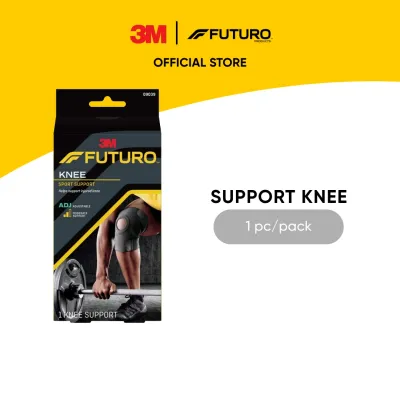
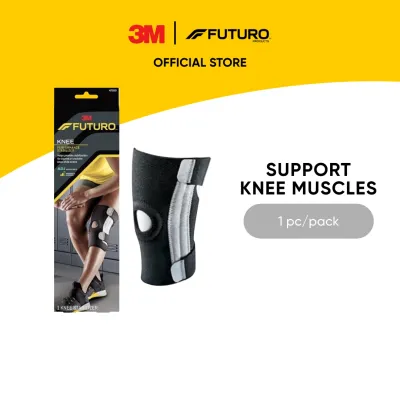
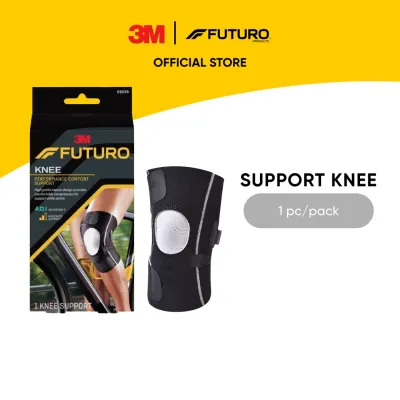
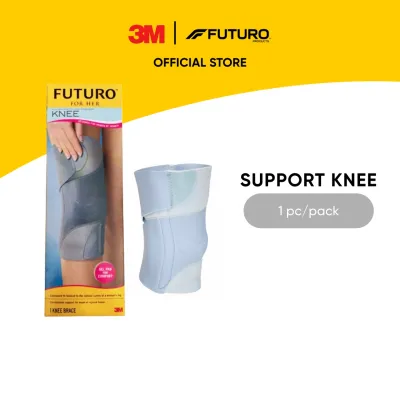
Prices are valid at publication and may change. Please refer to the product page for the latest price.
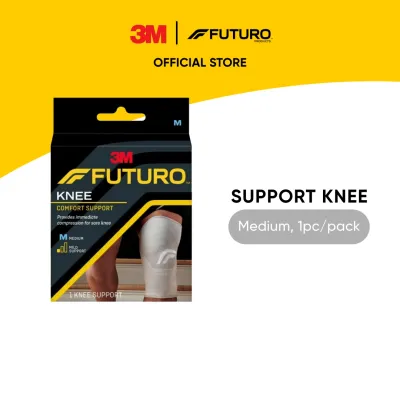
Mild support products are typically designed as lightweight, pull-on elastic or knit sleeves. These supports provide basic, uniform compression and heat retention around the joint, which helps promote blood circulation and minimize minor aches or stiffness. They are highly flexible and are generally intended for minor strains, general weariness, or everyday activities where minimal joint restriction is desired. Because they lack rigid structural elements, they offer maximum freedom of movement.
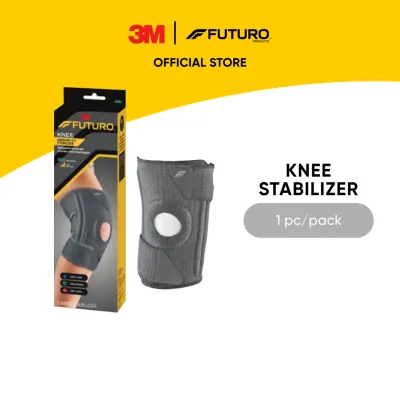
Moderate support products introduce additional stabilizing features, such as adjustable straps, dual stabilizers, or open-patella designs. These supports are engineered to manage moderate joint instability, mild sprains, or chronic conditions like minor arthritis. The lateral stabilizers, often made of flexible steel springs or plastic stays, help guide the knee’s natural tracking while preventing excessive lateral movement. Adjustable wraps allow you to customize the compression level to accommodate swelling or personal comfort preferences.
Maximum or firm support products represent the most structured tier, often featuring dual-pivoting hinges, rigid lateral supports, and heavy-duty adjustable strapping systems. These braces are designed to provide substantial stability for knees recovering from moderate-to-severe ligament sprains, post-operative recovery, or significant joint instability. The mechanical hinges mimic the natural movement of the knee joint while physically limiting harmful lateral or hyperextension movements.
While these support levels provide a helpful framework, they are not a substitute for professional medical advice. If you experience severe pain, sudden swelling, joint locking, or an inability to bear weight, you must consult a healthcare professional or orthopedic specialist before selecting or wearing any knee support. Using a brace to mask severe symptoms can delay proper treatment and potentially worsen an underlying injury.
Matching Knee Supports to Specific Activities
Different physical activities place unique mechanical stresses on the knee joint, meaning a support that works well for one sport may be unsuitable or restrictive for another. Matching the brace design to your specific movement patterns ensures both safety and comfort.

High-impact and dynamic sports, such as running, basketball, tennis, and badminton, involve rapid acceleration, sudden deceleration, and frequent directional changes. For these activities, you require a knee support that offers reliable lateral stability without compromising your agility or range of motion. A moderate support brace with flexible side stabilizers and a non-slip design is often ideal. It is crucial to choose highly breathable, moisture-wicking fabrics for these sports, especially when playing in warm, unconditioned indoor halls or outdoor courts, to prevent sweat buildup and skin chafing.
Load-bearing and stability-focused activities, such as weightlifting, powerlifting, or heavy gym training, subject the knees to intense axial compression. In these scenarios, the primary goal of a support is to provide robust joint warmth, deep compression, and structural reinforcement during deep knee flexion. A thick, adjustable wrap or a heavy-duty compression sleeve is typically preferred here. The compression helps increase proprioception—your body’s awareness of joint positioning—which can assist in maintaining proper lifting form under load. For extreme lifting or recovery from minor structural issues, some lifters utilize moderate-to-firm supports with reinforced straps to secure the patella.
For daily activities, light walking, or long hours of sitting in air-conditioned offices, comfort and low-profile designs are the priority. A mild support knit sleeve is highly suitable for these situations, as it fits discreetly under trousers and provides gentle warmth to prevent joint stiffness caused by prolonged inactivity. These sleeves are easy to slip on and off, making them convenient for everyday wear.
Regardless of the activity, it is vital to remember that a knee support is a supplementary tool, not a cure-all. Wearing a brace cannot compensate for poor exercise technique, inadequate warm-up routines, or weak stabilizing muscles. To maintain long-term joint health, you should combine the use of supports with targeted strength training for the quadriceps, hamstrings, and glutes, alongside professional medical rehabilitation if you are recovering from an injury.
Key Features to Evaluate Before Buying
Before purchasing a 3M Futuro knee support, you should evaluate several practical features to ensure the product fits your body shape, lifestyle, and local environmental conditions. Taking the time to verify these details prevents common issues like slipping, skin irritation, or restricted blood flow.
Material composition and breathability are critical factors, particularly in hot and humid climates. Traditional neoprene provides excellent compression and heat retention, which is beneficial for soothing stiff joints, but it can trap sweat and cause discomfort during prolonged outdoor use. If you are active outdoors or sensitive to heat, look for alternative materials such as perforated neoprene, breathable knit fabrics, or moisture-wicking synthetics. These specialized materials allow air to circulate and sweat to evaporate, keeping your skin dry and reducing the risk of heat rashes.
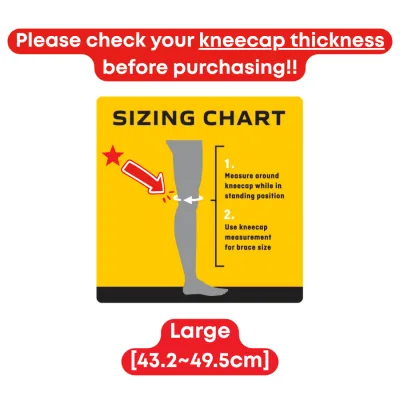
Sizing and fit must be verified precisely using the manufacturer’s sizing guide, which is typically printed on the product packaging. To find your size, use a flexible measuring tape to measure the circumference of your leg at the specified points—usually around the center of the kneecap, or a set distance above and below it, while standing. Do not guess your size based on clothing measurements or previous purchases from other brands. A support that is too small can restrict blood circulation and cause swelling, while one that is too large will slip down and fail to provide adequate compression.
Anti-slip features are essential for maintaining the position of the support during continuous movement. Look for designs that incorporate silicone grip strips along the inner top border, or those with contoured, elasticated edges that conform closely to the shape of your thigh and calf. These features help keep the brace securely in place, reducing the need to constantly pull up or adjust the support during a workout or walk.
Ease of use and adjustability should align with your physical capabilities and daily routine. Pull-on sleeves offer a sleek, low-profile fit but require you to bend your knee and pull the sleeve up over your foot, which may be difficult if you have limited mobility or severe joint pain. Wrap-around designs, on the other hand, can be placed around the knee without bending the leg excessively and are secured with hook-and-loop fasteners. This style allows for easy adjustments to the tightness throughout the day, making it highly versatile for managing fluctuating joint swelling.
Building Your Shortlist: Conditional Recommendations
To help you narrow down your choices, you can use a conditional selection path based on your primary symptoms, activity levels, and physical requirements. This structured approach ensures you select a model tailored to your specific situation.
For mild discomfort, minor joint stiffness, or general support during daily walks and light household chores, prioritize seamless knitted or thin elastic sleeves labeled for mild support. These options provide gentle, even compression and fit easily under standard clothing. They are ideal if you do not have structural joint instability but want to keep the knee warm and supported during routine movements.
For moderate pain, mild ligament sprains, or active sports participation, look for braces labeled for moderate support that feature adjustable straps or lateral stabilizers. If you experience patellar tracking issues or pain around the kneecap, an open-patella design with a reinforced ring can help stabilize the kneecap and relieve direct pressure. The adjustable straps allow you to tighten the support during high-intensity activities and loosen it during rest periods.
For severe joint instability, recovery from significant ligament injuries, or post-operative protection, focus on braces labeled for maximum or firm support. These models typically feature rigid side hinges or heavy-duty dual stabilizers. Before purchasing a maximum support brace, you must strictly verify your choice with your treating physician or physical therapist to ensure the level of restriction matches your rehabilitation protocol.
Before making a final purchase at a local pharmacy or online marketplace, always check the specific indications, contraindications, and sizing charts listed on the product packaging. Ensure that the product is intended for your specific type of discomfort and that you do not have any pre-existing skin conditions or circulatory issues that would make compression wear unsuitable.
Care, Maintenance, and When to Replace
Proper care and maintenance are essential for preserving the elasticity, structural integrity, and hygiene of your knee support. Following the manufacturer’s care guidelines ensures the product continues to perform effectively over its lifespan.
When cleaning your knee support, always refer to the specific instructions on the product label. Most supports should be hand-washed in cold or lukewarm water using a mild detergent. Avoid using bleach, fabric softeners, or harsh chemical cleaners, as these can degrade the elastic fibers and damage the adhesive properties of hook-and-loop fasteners. If the support has removable metal hinges or plastic stabilizers, ensure they are removed before washing according to the product manual. Secure all hook-and-loop straps before washing to prevent them from snagging the fabric.
For drying and storage, always air dry the support in a flat position or hang it in a well-ventilated, shaded area. Do not use a mechanical clothes dryer, and avoid placing the support on hot radiators or in direct sunlight, as high heat and ultraviolet rays rapidly break down rubber, neoprene, and elastic components. Ensure the brace is completely dry before wearing it again or storing it in a drawer to prevent the growth of mold, bacteria, and unpleasant odors.
You must regularly inspect your knee support for signs of wear and tear. Replace the support immediately if you notice a significant loss of elasticity, if the hook-and-loop fasteners no longer hold securely, if the seams are unraveling, or if the fabric has worn thin or torn. A stretched-out or damaged brace cannot provide the necessary compression or stabilization, rendering it ineffective for joint protection.
Frequently Asked Questions (FAQ)
Can I wear a 3M Futuro knee support all day?
Whether you can wear a knee support all day depends entirely on the design of the support and your physical condition. Lightweight, mild support sleeves designed for daily wear can generally be worn for extended periods, such as during working hours, provided they do not cause discomfort or restrict circulation. However, you should avoid wearing high-compression, moderate, or maximum support braces all day unless specifically instructed by a healthcare professional. Prolonged, continuous use of highly restrictive braces can lead to muscle weakness and joint dependency, as your body relies on the external support rather than its own stabilizing muscles. Always remove the support before sleeping to allow your skin to breathe and to prevent circulatory issues.
How do I know if my knee support is too tight?
A properly fitting knee support should feel snug and supportive but never painful or restrictive. You can identify if your support is too tight by checking for several physical warning signs. These include numbness, tingling, a cold sensation in your foot or lower leg, skin discoloration (such as a bluish or pale tint), or visible swelling below the brace. Another simple check is to slide two fingers under the edge of the support; if you cannot do so easily, the brace is likely too tight. If you experience any of these symptoms, loosen the adjustable straps immediately or remove the support. If the discomfort or circulation issues persist after adjusting the fit or switching to a larger size, stop using the product and consult a healthcare professional.

Community discussion
Share your experience or ask a question. Comments are reviewed before publication.