
Selecting the right dumbbell type is the foundation of a successful home strength training routine. Whether you are setting up a compact workout corner in a typical Singapore HDB flat or dedicating an entire room in a condominium to fitness, your choice of equipment directly impacts your training consistency, safety, and progress. AIBI offers three primary dumbbell configurations: adjustable, fixed round, and hex. The ideal choice depends on your specific training style, available floor space, and budget. By understanding the mechanical differences, storage requirements, and functional advantages of each type, you can make an informed investment that supports your long-term fitness goals.
Quick Guide: Matching AIBI Dumbbell Types to Your Goals
To help you quickly identify the most suitable dumbbell category, consider how your primary workout constraints and environment align with each design. The table below summarizes the key characteristics of each type to streamline your decision-making process.
| Dumbbell Type | Ideal User Profile | Space Requirements | Budget Tier | Key Decision Trigger |
|---|---|---|---|---|
| Adjustable | Space-conscious lifters, progressive overload focus | Minimal (single pair footprint) | Mid to High upfront | Need multiple weight increments in one compact unit |
| Fixed Round | Traditional lifters, rapid drop-set training | High (requires dedicated rack) | Low (per pair) to High (full set) | Prioritize drop-test durability and instant transitions |
| Hex | Functional fitness, floor-based exercises | Moderate to High (racks or floor space) | Low to Mid (per pair) | Require anti-roll stability for floor movements |
In Singapore, where residential space is often at a premium, the physical footprint of your fitness equipment is just as important as its weight range. For those living in high-density housing, managing noise and vibration is another critical factor. Dropping heavy weights on tiled or vinyl flooring can cause structural damage and disturb neighbors, making the choice of dumbbell material and design highly consequential. By matching your primary workout goals—such as high-intensity interval training (HIIT), traditional bodybuilding, or functional cross-training—to the specific characteristics of these three dumbbell types, you can optimize both your budget and your living space.
Products mentioned in this guide
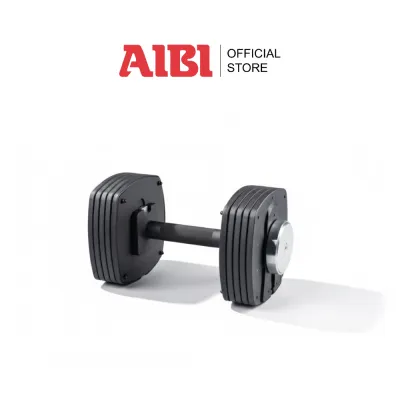
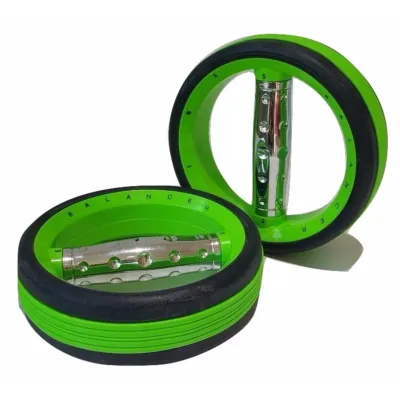
Prices are valid at publication and may change. Please refer to the product page for the latest price.
Adjustable AIBI Dumbbells: Space-Saving and Progressive Overload
Adjustable dumbbells represent a major technological advancement in home fitness equipment, packing an entire rack of weights into a single pair of handles. These systems utilize various selector mechanisms, such as rotating dials, sliding pins, or spin-lock collars, to engage or disengage weighted plates. When evaluating adjustable options, it is essential to inspect the manufacturer’s specifications regarding the locking mechanism’s material composition. Look for robust steel or reinforced composite components rather than lightweight plastics, as the integrity of these locking parts is paramount for safety during overhead lifts.

The primary advantage of an adjustable system is its unmatched space efficiency. Instead of dedicating several square meters of floor space to a multi-tier dumbbell rack, you only need enough room to place the two docking cradles. This makes them highly suitable for small apartments or multi-purpose rooms where fitness gear must be tucked away after use. However, this convenience comes with a higher upfront financial investment compared to buying a single pair of fixed dumbbells. Additionally, because adjustable dumbbells contain moving parts and interlocking plates, they require careful handling; dropping them can damage the selector mechanism, rendering the adjustment system inoperable.
For individuals focusing on progressive overload—the gradual increase of resistance over time to stimulate muscle growth—adjustable dumbbells are highly effective. They allow you to make small, incremental weight adjustments as your strength improves, without the need to constantly purchase new equipment. To ensure long-term reliability, verify the weight increments provided by the manufacturer and check if the plates sit securely in the cradle without excessive rattling during movement.
Fixed Weight AIBI Dumbbells: Durability and Quick Transitions
Fixed-weight round dumbbells are the classic choice found in commercial gyms worldwide, valued for their simplicity and near-indestructibility. Unlike adjustable models, fixed dumbbells have no moving parts, consisting of a solid metal handle permanently joined to weighted ends. These ends are typically coated in protective materials such as rubber, urethane, or neoprene, or left as bare cast iron. When browsing options, check the product labels to verify the coating material; urethane generally offers superior odor resistance and durability compared to standard rubber, while rubber provides excellent impact absorption to protect your home’s flooring.
The main trade-off with fixed dumbbells is the relationship between variety and space. To perform a comprehensive workout that targets different muscle groups—such as heavy chest presses and lighter lateral raises—you will need multiple pairs of different weights. This necessitates a dedicated storage rack to keep your workout area organized and safe. However, the lack of adjustment mechanisms means you can transition between weights instantly, making fixed dumbbells the perfect choice for drop-sets, supersets, and high-intensity interval training where rest times are strictly limited.
If you have a dedicated garage gym, a spare room, or a robust rubber-matted floor area, a set of fixed round dumbbells offers a highly satisfying tactile experience. The solid construction allows you to focus entirely on your lifting form without worrying about delicate components. Before purchasing, inspect the knurling—the cross-hatched pattern cut into the metal handle—to ensure it provides a secure, non-slip grip without being overly abrasive to your hands.
Hex AIBI Dumbbells: Stability and Floor Exercises
Hexagonal dumbbells, commonly referred to as hex dumbbells, feature flat, six-sided heads instead of round weights. This simple design modification provides distinct functional advantages, particularly for dynamic and functional fitness routines. The primary benefit of the hexagonal shape is stability; when placed on the floor, these dumbbells will not roll away. This anti-roll feature is a critical safety consideration if your workout space has a slight slope, or if you perform exercises that transition quickly between standing and floor positions.
This stability makes hex dumbbells the premier choice for floor-based exercises where the user supports their body weight on the dumbbell handles. Movements like renegade rows, dumbbell push-ups, and plank transfers are significantly safer and more comfortable with a flat-sided dumbbell, as the risk of the weight slipping sideways is virtually eliminated. When selecting hex dumbbells, pay close attention to the handle design. Many high-quality models feature contoured, ergonomic handles that taper slightly toward the ends, which helps distribute pressure evenly across your palm during heavy pushing or pulling movements.
While hex dumbbells are exceptionally stable on the floor, they do present some storage challenges. Because of their flat sides, they do not roll, but they also do not stack as neatly on top of one another as round dumbbells do on specialized curved racks. Storing them typically requires a flat-shelf rack or a dedicated corner of your floor mat. Additionally, because the heads are often made of cast iron coated in rubber, you should verify that the rubber is securely bonded to the metal core to prevent peeling or cracking over years of use.
Final Decision Checklist: Space, Budget, and Workout Style
To finalize your decision and choose the right dumbbell type for your home gym, work through this structured evaluation framework:
- Assess Your Floor Space: Measure the exact area where you plan to store and use your weights. If you have less than one square meter of storage space, prioritize adjustable dumbbells. If you have room for a multi-tier rack, fixed or hex dumbbells are viable options.
- Define Your Budget: Establish a clear budget in S$. Remember to factor in the cost of storage racks for fixed weights, or protective floor matting for heavier options. While adjustable dumbbells have a higher initial cost, compare this to the cumulative cost of buying five or six separate pairs of fixed weights.
- Analyze Your Workout Style: Review your weekly exercise routine. If your workouts consist of slow, controlled strength lifts focusing on progressive overload, adjustable dumbbells are highly efficient. If you perform rapid-fire HIIT circuits, supersets, or floor-based functional movements like renegade rows, fixed hex dumbbells are the superior choice.
- Verify Shipping and Delivery Details: Because dumbbells are exceptionally heavy, shipping costs can add up quickly. Check the retailer's delivery policies, especially for high-rise apartments in Singapore, to ensure the weights will be delivered directly to your doorstep.
- Review Warranty and Return Policies: Inspect the manufacturer's warranty terms for each dumbbell type. Adjustable models, with their complex internal parts, should ideally come with a comprehensive warranty covering the selector mechanism, while fixed models should be checked for structural bonding guarantees.
Frequently Asked Questions (FAQ)
Can I mix adjustable and fixed dumbbells in the same home gym?
Yes, combining different dumbbell types is an excellent way to optimize both your budget and your workout efficiency. For example, you might use a pair of adjustable dumbbells for heavy compound movements like chest presses and squats, where you need a wide range of heavier weights but make slow transitions. At the same time, you can keep a few pairs of light-to-medium fixed hex dumbbells on hand for quick-tempo exercises, warm-ups, or floor-based movements like push-ups and lateral raises. If you choose to mix equipment, ensure your storage solution is safe; keep the adjustable cradles on a sturdy, flat surface, and store the fixed weights on a dedicated rack to prevent tripping hazards.
How do I maintain the grip and coating on my AIBI dumbbells?
Proper maintenance is essential to prolong the lifespan of your dumbbells, especially in Singapore’s warm and highly humid tropical climate. High humidity can accelerate the rusting of exposed metal handles and cause rubber or neoprene coatings to degrade or become sticky over time. To prevent this, wipe down your dumbbells after every workout with a clean, dry microfiber cloth to remove sweat and skin oils. For deeper cleaning, use a mild, non-abrasive soap solution diluted in water, wipe the surfaces down, and dry them immediately. Avoid using harsh chemical solvents or alcohol-based cleaners, as these can dry out and crack rubber coatings. Store your dumbbells in a well-ventilated, indoor area away from direct sunlight, and consider using a dehumidifier in your workout room to protect both the metal and rubber components.

Community discussion
Share your experience or ask a question. Comments are reviewed before publication.