
Finding the ideal bike lock chain in Singapore is a balancing act between security, weight, and convenience. Your daily cycling routine dictates exactly how much protection you need. A heavy, hardened steel chain that keeps your commuter bike safe at a bustling MRT station all day will feel like an unnecessary anchor during a breezy weekend ride along the East Coast Park Connector Network (PCN).
To make the right choice, you must evaluate where you park, how long your bicycle remains unattended, and how you plan to transport the lock. By matching your specific riding habits to the correct lock specifications, you can protect your investment without adding unnecessary strain to your daily rides.
Assess Your Parking Environment and Theft Risk
Before looking at specific lock models, take a close look at where your bicycle spends its time. Singapore is generally safe, but bicycle theft remains an opportunistic crime that occurs in predictable patterns. High-risk zones include major transit hubs like MRT stations, bus interchanges, and busy commercial districts where hundreds of bikes are parked for hours. In these areas, thieves have ample time to blend into the crowd, making high-security physical barriers essential.
Products mentioned in this guide
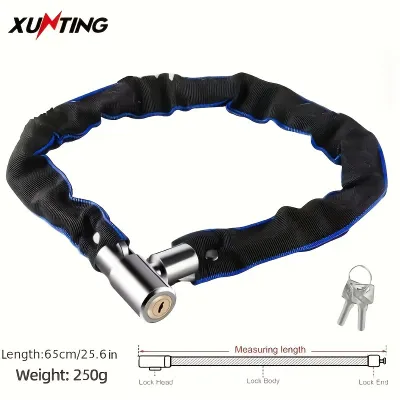
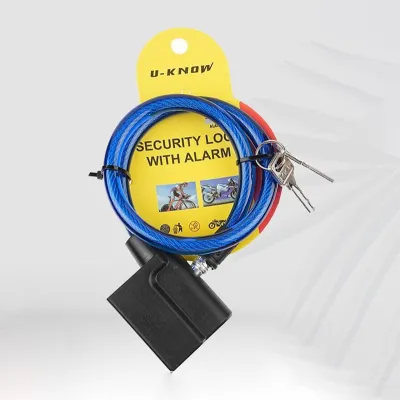
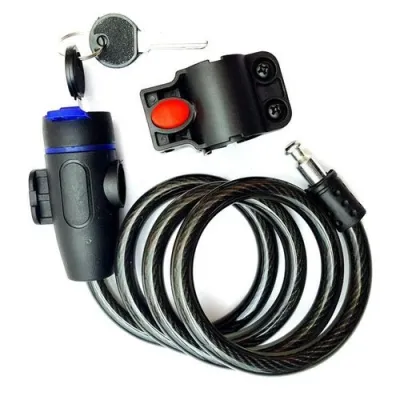
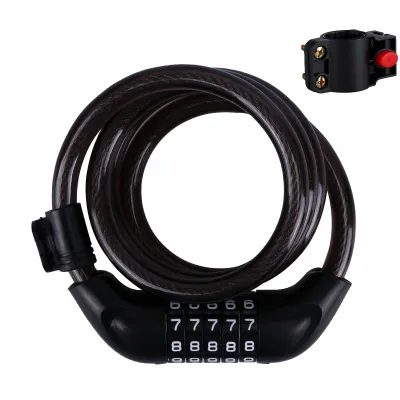
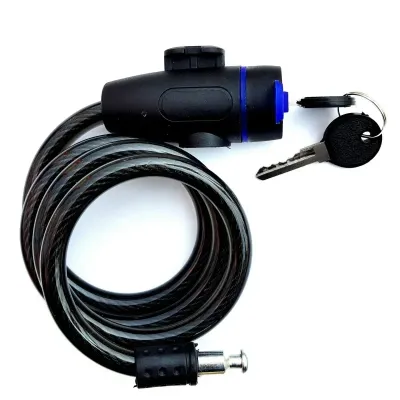
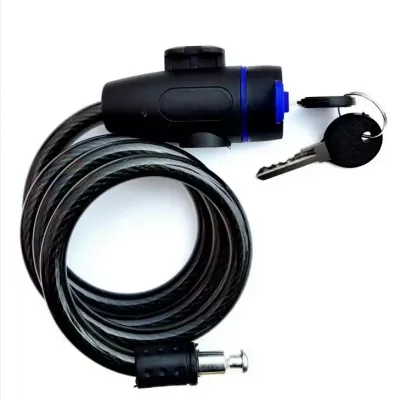
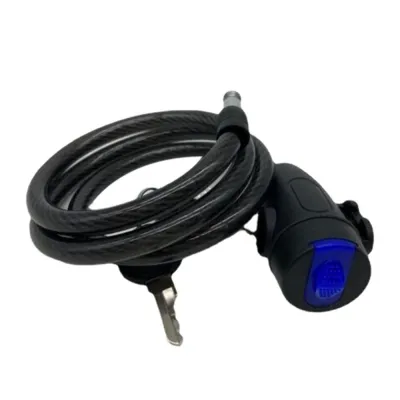
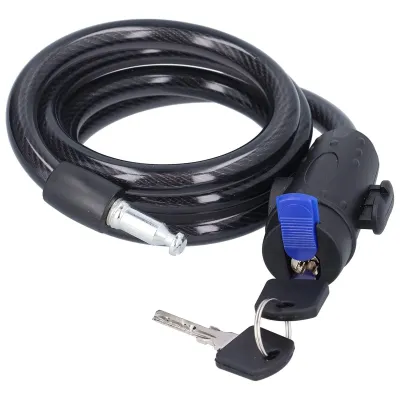
Prices are valid at publication and may change. Please refer to the product page for the latest price.
Conversely, lower-risk zones include active PCN rest stops, well-lit cafes, or HDB void decks with high foot traffic. While these areas are generally safer, leaving a bike completely unsecured is never recommended. The duration of your stop is the primary risk multiplier. A five-minute dash into a convenience store requires far less security than leaving your bike parked outside a station from morning until evening.
When evaluating a potential parking spot, look for key environmental cues. Well-lit areas directly under active CCTV cameras or near security posts naturally deter thieves. Dedicated yellow bicycle racks bolted firmly into concrete are far more secure than thin metal railings or signposts. If you must park in a secluded or poorly lit area, you must compensate by using a significantly stronger, heavier chain lock.
Match the Chain Lock to Your Riding Scenario
Every cyclist has a unique routine, and your lock should complement your ride rather than hinder it. The fundamental trade-off in bicycle security is simple: higher security always means more weight. Understanding this balance allows you to choose a chain that fits your lifestyle.

Daily Commuters and MRT Station Parking
If your routine involves riding to an MRT station and leaving your bicycle parked there for the entire workday, security must be your absolute priority. These transit hubs are prime targets because thieves know the bikes will be left unattended for eight to ten hours at a time. For this scenario, a heavy-duty chain lock made of hardened steel links is highly recommended.
When choosing a commuter chain, look for links that are at least 8mm to 10mm thick. This thickness provides excellent resistance against manual bolt cutters, which are the tool of choice for opportunistic thieves. While these chains are incredibly secure, they are also heavy, often weighing between two and four kilograms. Carrying this weight on your body can quickly become exhausting.
To manage this extra weight, consider your carrying strategy. Utilizing a sturdy rear rack with panniers or a dedicated frame bag keeps the center of gravity low and stable. Alternatively, if you park at the exact same MRT station every single day, you might check if local station guidelines allow you to leave your heavy chain locked to the rack overnight, saving you from carrying it back and forth.
PCN Leisure Riders and Short Stops
For those who primarily use Singapore’s extensive Park Connector Network for leisure, exercise, or weekend family outings, a massive commuter chain is rarely practical. Leisure riders typically make short stops at pit stops, public restrooms, or outdoor food centers. Because your bike is rarely out of sight for more than fifteen minutes, portability and ease of use are your primary concerns.
In this scenario, a lighter chain lock with a link thickness of 5mm to 7mm strikes the ideal balance. These locks are robust enough to deter opportunistic thieves who carry basic hand tools, yet light enough to carry without affecting your riding dynamics. They offer peace of mind while you enjoy a quick coconut water or a bowl of laksa at a nearby hawker center.
Portability is incredibly easy with these lighter chains. Many models can be wrapped neatly around your seat post, coiled inside a small saddlebag, or carried comfortably in a lightweight backpack. The goal is to minimize the friction of locking up, ensuring you actually use the lock every single time you step away from your frame.
Key Specifications to Verify Before You Buy
When shopping for a bike lock chain, do not rely solely on visual appearance. A thick-looking lock can sometimes hide a weak, easily cut cable inside. Instead, systematically verify the physical and mechanical specifications of the product.
First, check the material composition. Look for chains explicitly labeled as hardened steel or triple-heat-treated steel alloy. Standard steel can be cut quietly and quickly, whereas hardened steel requires specialized, heavy-duty tools to penetrate. Pay close attention to the link shape as well; square or hexagonal links are much harder for bolt cutters to grip compared to traditional round links.
Second, inspect the locking mechanism itself. The strongest chain is useless if the lock cylinder can be easily picked or drilled. Look for disc-detainer style cylinders, which offer high resistance to picking. Check the packaging for independent security ratings, such as Sold Secure (Gold, Silver, or Bronze) or ART ratings. These independent certifications provide an objective measure of how long the lock can withstand a simulated attack.
Finally, ensure the chain is fully enclosed in a durable, weather-resistant fabric sleeve. In Singapore’s humid climate and frequent tropical downpours, a high-quality nylon or canvas sleeve protects the metal links from moisture, preventing premature rust. More importantly, the sleeve acts as a protective barrier, preventing the hard metal links from scratching or chipping your bicycle’s paint during transit and locking.
Proper Locking Techniques to Maximize Security
Even the strongest chain lock can fail if it is applied incorrectly. To get the maximum protection from your investment, you must practice proper locking techniques every time you park.
Always secure your bike to a solid, immovable object that cannot be easily cut, bent, or lifted. Dedicated bicycle racks, heavy metal railings, or thick concrete pillars are ideal. Avoid locking to thin wooden posts, chain-link fences, or short signposts where a thief could simply lift the entire bicycle over the top.
When wrapping the chain, ensure it passes through the main frame triangle and at least one wheel—ideally the rear wheel, which is more expensive to replace. If your chain is long enough, threading it through both the frame and the rear wheel before securing it to the anchor point provides excellent dual-layer security.
Keep the chain and the lock body elevated off the ground. If a chain rests on the concrete, a thief can place one arm of a bolt cutter on the floor and use their entire body weight to press down on the other arm, generating massive cutting force. Keeping the lock high off the ground deprives them of this leverage. Additionally, pull the chain tight to minimize slack, making it incredibly difficult for a thief to insert hydraulic jacks or power tools into the gaps.
Frequently Asked Questions (FAQ)
Can I use a lightweight cable lock instead of a chain for daily commuting?
No, lightweight cable locks are not recommended as a primary security measure for daily commuting or long-term parking at MRT stations. Standard steel cables can be severed in seconds using basic, pocket-sized wire cutters. They offer virtually no resistance against determined thieves. You should only use cable locks as a secondary deterrent to secure low-value accessories, like your helmet or saddle, or for extremely brief stops where your bike remains within your direct line of sight.
How do I carry a heavy chain lock if my bike lacks a rear rack?
If your bicycle does not have a rear rack, you can carry a heavy chain lock by using a frame-mounted frame bag that sits inside the main triangle, distributing the weight evenly near the bike’s center of gravity. Alternatively, you can use a dedicated handlebar bag or a front basket. Some manufacturers also design wearable chain locks that fit comfortably around your hips like a belt, distributing the weight across your skeletal frame rather than pulling on your shoulders. Avoid wrapping heavy chains tightly around your handlebars or seat post without a secure mount, as this can interfere with your steering and balance.

Community discussion
Share your experience or ask a question. Comments are reviewed before publication.