
Selecting the right Cycplus air pump depends entirely on matching the device’s battery capacity, maximum pressure output, and physical size to your primary inflation task. While a road cyclist requires an ultra-lightweight, high-pressure pocket pump to recover from punctures on the tarmac, a driver needs a high-volume unit capable of sustained operation without overheating. By identifying whether your main priority is daily bicycle commuting, emergency roadside car maintenance, or inflating high-volume camping gear, you can narrow down the product lineup to a model that balances portability with performance.
Evaluating these portable electric pumps requires looking past basic brand names and focusing on the physical limitations of battery-powered motors. A pump designed to fit inside a jersey pocket will naturally have a smaller battery and lower airflow volume than a larger handheld unit meant for vehicle tires. Understanding these trade-offs ensures you do not end up stranded with an underpowered tool or burdened with unnecessary weight during an active outdoor excursion.
Key Specifications to Evaluate for Your Needs
To make an informed decision, you must first understand the technical metrics listed on product specification sheets and how they translate to real-world performance. The most critical specifications to evaluate are maximum pressure, airflow rate, and physical dimensions.
Products mentioned in this guide
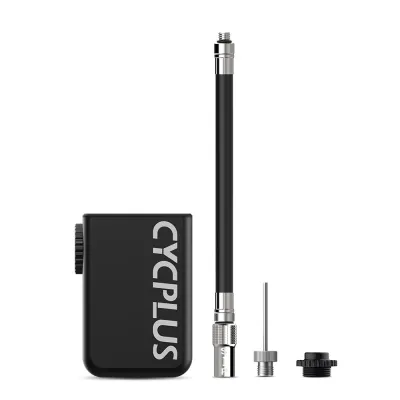
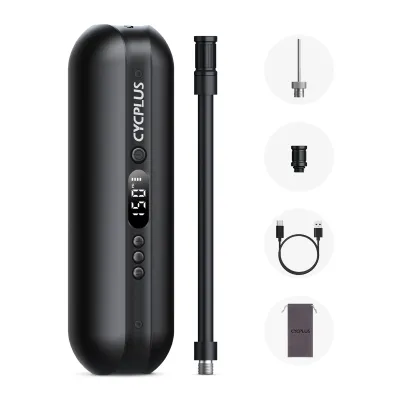
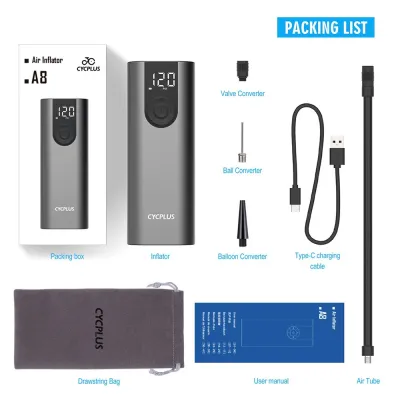
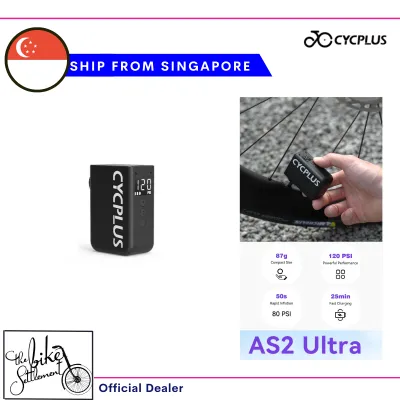
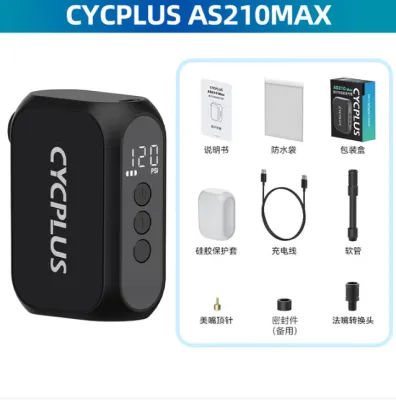
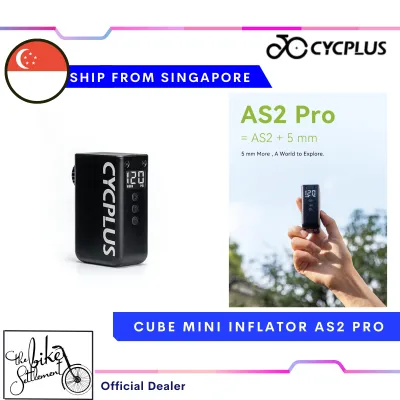
Prices are valid at publication and may change. Please refer to the product page for the latest price.
Maximum pressure, measured in pounds per square inch (PSI) or Bar, determines the pump’s ability to push air into highly resistant chambers. High-pressure bicycle tires, particularly narrow road tires, often require pressures between 80 and 120 PSI, demanding a pump with a high maximum pressure rating. Conversely, passenger car tires typically operate at much lower pressures, usually between 30 and 35 PSI, but require a significantly larger volume of air. When reviewing a pump, verify that its maximum rated pressure comfortably exceeds your target pressure to avoid straining the motor.
Airflow rate, typically expressed in liters per minute (L/min), dictates how quickly the pump can fill a given volume. A high airflow rate is essential for large-volume items like car tires, air mattresses, and inflatable stand-up paddleboards. A compact pump with a low airflow rate might take an impractical amount of time to inflate a large object, potentially leading to overheating. For quick top-ups on small-volume bicycle tires, a lower airflow rate is perfectly acceptable, making ultra-compact designs highly viable.
Weight, dimensions, and build materials represent the physical trade-offs of portability. Lightweight aluminum alloys offer excellent heat dissipation and structural durability without adding excessive weight to your gear setup. If you plan to carry the pump on long-distance rides or hikes, every gram matters, making pocket-sized models highly attractive. However, if the pump will live in a car trunk or a camping gear bin, a heavier, more robust plastic or composite housing with a larger internal battery is often the more practical choice.
Matching the Pump to Your Primary Activity
Different outdoor activities demand distinct performance profiles from an electric air pump. Aligning your primary use case with the correct pump category prevents equipment failure and ensures efficient operation when you need it most.

Cycling and E-Bikes
For cyclists and e-bike riders, a portable pump is a critical safety tool that must be reliable, easy to carry, and compatible with specific tire valves. The two most common valve types are Presta, found on most high-performance road and mountain bikes, and Schrader, standard on utility bikes and e-bikes. When selecting a pump, verify that the nozzle head supports both valve types, either through a reversible chuck or an included adapter. An auto-shutoff feature is equally vital; it allows you to set your desired PSI beforehand, preventing over-inflation and potential tire blowouts on delicate, high-pressure tubes.
Portability is the defining factor for cycling pumps. The device should easily fit into a standard jersey pocket, a compact saddlebag, or mount directly to the bicycle frame alongside a water bottle cage. Look for models that weigh under 200 grams to minimize riding fatigue. Frame mounts should feature secure straps to prevent the pump from rattling loose on rough gravel or mountain bike trails.
The primary trade-off in ultra-compact cycling pumps is battery capacity. A smaller battery reduces weight but limits the number of full tire inflations you can achieve on a single charge. For example, a pocket-sized pump may only have enough energy to fully inflate two high-pressure road tires from flat, or top up several mountain bike tires. If you frequently ride in groups or embark on multi-day bikepacking trips, you must weigh the convenience of a lightweight design against the need for a larger battery that can handle multiple consecutive uses.
Car Maintenance and Roadside Emergencies
Using a portable pump for automotive maintenance requires a shift in focus from portability to raw power and thermal endurance. Car tires contain a massive volume of air compared to bicycle tires, meaning the pump’s motor must run continuously for much longer periods. Before purchasing a pump for your vehicle, check the manufacturer’s specifications for the continuous run-time or duty cycle. A pump suitable for cars should be able to run for at least 10 to 15 minutes continuously without triggering its thermal shutdown mechanism, which protects the internal components from melting due to friction-induced heat.
Power delivery is another crucial consideration for roadside emergencies. While internal lithium-ion batteries offer cordless convenience, they can lose charge over months of storage in a vehicle. A highly reliable automotive pump should offer dual-power compatibility, allowing you to run the device directly from your car’s 12V DC auxiliary outlet when the internal battery is depleted. This ensures you are never left stranded with a dead pump during an emergency.
Trunk storage and safety features add significant value to an automotive air pump. Look for models with a robust, impact-resistant housing that can withstand being jostled around in a tool well. An integrated, high-brightness LED light is an indispensable safety feature for nighttime roadside repairs, allowing you to locate the tire valve and monitor pressure readings in pitch-black conditions. Some models also feature flashing hazard light modes to alert passing traffic to your presence.
Outdoor Camping and Multi-Purpose Inflation
Camping and general outdoor recreation require a pump that can handle a wide variety of low-pressure, high-volume inflatables, such as air mattresses, sleeping pads, inflatable kayaks, and beach toys. These items do not require high pressure—often operating at less than 5 PSI—but they demand an immense volume of air. A standard bicycle pump, designed for high pressure and low volume, will struggle to inflate a double-sized camp mattress in a reasonable timeframe. For these tasks, look for a pump specifically designed with a high-volume airflow mode and a selection of wide-nozzle plastic adapters.
Battery capacity is paramount when camping away from the power grid. A pump used for a weekend camping trip must have a large enough battery to inflate multiple sleeping pads and camp beds without needing a recharge. Check the battery capacity, typically measured in milliampere-hours (mAh), and compare it to the estimated power draw of the pump’s motor. A larger battery ensures you can set up camp comfortably without worrying about finding an electrical outlet in remote areas.
Multi-purpose utility features make a camping pump even more valuable. Many outdoor-focused models double as portable power banks, allowing you to charge your smartphone, GPS device, or headlamp via a USB output port. Additionally, built-in camp lights with adjustable brightness levels can eliminate the need to pack a separate lantern, saving valuable space in your backpack or gear bin.
Power Sources and Battery Management
Understanding how your air pump is powered and how to maintain its battery is essential for ensuring long-term reliability, especially when relying on the device for emergencies.
The choice between internal lithium-ion batteries and direct 12V DC power involves balancing convenience against continuous reliability. Lithium-ion batteries provide unmatched portability, allowing you to inflate tires anywhere without being tethered to a vehicle. However, these batteries naturally degrade over time and can lose charge when left idle. Direct 12V DC power cords provide unlimited runtime as long as your vehicle’s engine is running, making them the superior choice for heavy-duty, multi-tire inflation tasks where battery depletion is a risk.
For rechargeable models, USB-C has become the standard charging interface, offering broad compatibility with modern wall chargers, car adapters, and portable power banks. When evaluating a pump, check its input charging requirements (such as 5V/2A or fast-charging protocols). Using an underpowered charger can result in painfully slow recharge times, while a compatible fast charger can restore the battery to full capacity in a fraction of the time. If you plan to use the pump on extended outdoor trips, verify that it can be charged effectively using a standard portable power bank.
Battery care is particularly critical in tropical environments like Singapore, where high humidity and elevated temperatures can accelerate battery degradation. Never store a lithium-ion air pump in a hot car trunk exposed to direct sunlight, as temperatures can easily exceed safe operating limits, leading to permanent capacity loss or safety hazards. To maximize battery lifespan, store the pump in a cool, dry place inside your home. If you store the device in your vehicle for emergencies, make it a habit to bring it indoors periodically to check the charge level and top it up if necessary.
Essential Accessories and Valve Compatibility
An air pump is only as useful as its connection to the item you need to inflate. Verifying the included accessories and valve compatibility before purchasing prevents frustration and ensures a secure, airtight seal.
Most portable air pumps come with a standard set of accessories, including a flexible hose, a Presta valve adapter, a ball needle for sports equipment, and plastic cone nozzles for inflatable toys. However, the quality and design of these accessories can vary significantly. Check whether the pump features a built-in storage compartment for these small adapters, which prevents them from getting lost in your gear bag. If you have specialized equipment, such as a tubeless bicycle setup or specific camping gear, verify if the pump supports proprietary or aftermarket valve attachments.
The inflation hose itself is a critical component that undergoes significant stress during operation. A high-quality hose should feature multi-layer construction with a durable braided exterior to resist kinking and abrasion. It must remain flexible in both cool morning temperatures and hot afternoon sun. The length of the hose should be sufficient to reach the tire valve comfortably when the pump is resting on the ground, preventing strain on the valve stem.
Finally, pay close attention to the connection mechanism at the end of the hose. Thread-on connectors provide a highly secure, airtight seal that is ideal for high-pressure applications, but they can sometimes unscrew the valve core when detached if not designed carefully. Quick-release thumb-lock connectors are faster to attach and detach, minimizing air loss, but they must be constructed from durable materials like brass or aluminum to prevent wear and air leakage over time.
Frequently Asked Questions (FAQ)
Can a compact bicycle pump safely inflate a car tire in an emergency?
While a compact bicycle pump may technically be capable of reaching the pressures required for a car tire, using it for this purpose carries a high risk of overheating. Compact pumps are designed for low-volume, high-pressure tasks and have small motors with limited heat dissipation. Attempting to fill a large-volume car tire forces the motor to run continuously for an extended period, which can quickly lead to thermal shutdown or permanent internal damage. If you must use a compact pump in an emergency, check the manufacturer’s manual for the maximum continuous duty cycle and allow the pump to cool down completely for several minutes after every short run.
How should I store the air pump when not in use for several months?
To preserve the health of the internal lithium-ion battery and maintain the integrity of the internal seals, proper storage is essential. Avoid storing the pump with a completely empty or fully charged battery, as both extremes place stress on the battery cells; instead, aim for a charge level of approximately 50% to 70% before long-term storage. Store the unit in a cool, dry environment away from direct sunlight and moisture. Additionally, make sure to retrieve the pump every three to six months to cycle the battery by discharging it slightly and recharging it back to the optimal storage level, which helps maintain cell chemistry and prevents deep discharge failure.

Community discussion
Share your experience or ask a question. Comments are reviewed before publication.