
Finding a football tumbler that keeps your water or sports drink ice-cold throughout a grueling training session comes down to physics rather than brand names. While many manufacturers promise days of cold retention, the actual performance on a hot, humid sideline depends on the bottle’s vacuum insulation, lid design, and how well it resists the physical impacts of the field. To get the most cooling relief during a quick water break, you need to look past marketing slogans and evaluate the specific construction features that prevent heat transfer.
Core Insulation Technologies That Keep Drinks Cold
To understand how a football tumbler maintains low temperatures, it helps to look at the engineering behind modern thermal containers. Most high-performance sports bottles rely on double-wall vacuum insulation. This design features an inner and outer wall, usually made of stainless steel, with the air completely evacuated from the space between them. Because heat requires a medium to travel through via conduction or convection, this vacuum barrier effectively stops warmth from the outside environment from reaching your cold drink.
Some premium models incorporate a third layer or a reflective lining, such as copper or aluminum foil, applied to the outer surface of the inner wall. This lining acts as a radiation barrier, reflecting radiant heat away from the liquid and back toward the outside. While double-wall insulation is highly effective on its own, this extra reflective layer provides an additional shield against intense midday sun on the pitch.
Products mentioned in this guide
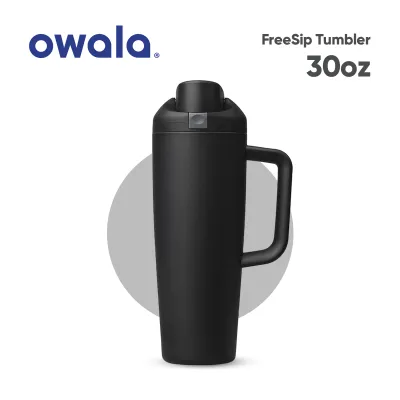
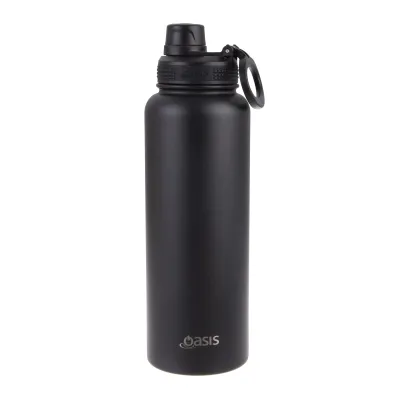
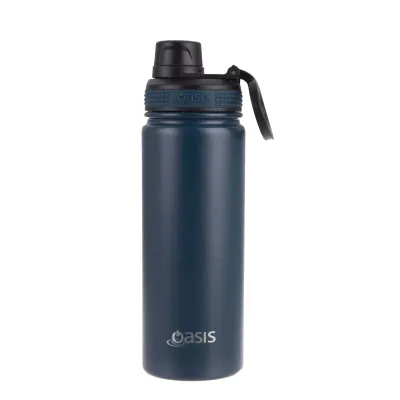
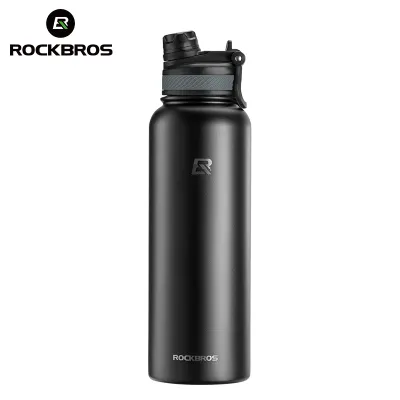
Prices are valid at publication and may change. Please refer to the product page for the latest price.
However, even the most advanced vacuum bottle body has a thermal weak point: the lid. Unlike the double-walled metal body, lids are typically made of plastic and lack a vacuum barrier. Heat enters the bottle primarily through the top, meaning the style of lid you choose plays a massive role in overall cold retention. A thick, insulated screw-cap will always hold temperature better than a thin flip-top or a lid with an open straw port, as it provides a more robust physical barrier against ambient air.
Comparing Tumbler Designs for Sideline Usability
During a fast-paced football training session, you only have seconds to hydrate before the next drill begins. This makes sideline usability just as important as raw thermal performance. Choosing the right tumbler requires balancing how quickly you can drink with how well the bottle seals in the cold.

Straw lids and bite valves offer the fastest access, allowing you to sip without tilting your head back, which is especially convenient when wearing a helmet. However, these lids require internal straws and open vents that let tiny amounts of warm air slip inside, gradually reducing the bottle’s thermal efficiency over several hours. Conversely, chug caps and screw-tops require you to unscrew a lid, but they offer a complete, airtight seal that preserves ice for much longer.
Handling is another critical factor when your hands are slick with sweat, dirt, or sports tape. Look for tumblers with integrated carry loops, textured powder-coat finishes, or silicone sleeves that provide a secure grip. A bottle that slips out of your hand on the concrete sideline or turf can suffer structural damage that ruins its insulation properties.
The base of the tumbler also deserves attention. Football sidelines are unforgiving environments, featuring metal benches, gravel, and hard turf. A tumbler with a rubber boot or a reinforced, non-slip base will absorb the shock of being dropped or tossed aside during a quick transition. This protection prevents deep dents that could compromise the internal vacuum seal.
How to Evaluate and Verify Brand Specifications
When shopping for a football tumbler, you will encounter various performance claims, such as “keeps cold for 24 hours.” To make an informed decision, you must know how to verify these specifications and look for indicators of genuine quality.
Start by examining the manufacturer’s testing conditions, which are often listed in the fine print on the packaging or the official website. Many brands test their bottles in controlled, air-conditioned indoor environments rather than under direct sunlight on a hot field. If a brand specifies that its cold-retention rating was achieved with a bottle packed entirely with ice, understand that your real-world performance with liquid and minimal ice will be shorter.
Next, check the material specifications. High-quality sports tumblers are constructed from food-grade 18/8 stainless steel, also known as 304-grade stainless steel. This material is highly resistant to rust, does not retain flavors from sports drinks, and is durable enough to withstand impact. Ensure that any plastic components, especially the lid and straw, are explicitly labeled as BPA-free to guarantee safety under repeated use.
Finally, review the warranty terms provided by the brand. A manufacturer that stands behind its insulation technology will often offer a warranty that covers vacuum insulation failures. If your bottle suddenly starts “sweating” on the outside or fails to keep drinks cold, this usually indicates the vacuum seal has been lost, and a good warranty will cover a replacement.
Decision Framework: Choosing Your Football Tumbler
Selecting the perfect tumbler depends on your specific training schedule, the local climate, and how you prefer to hydrate during practice. There is no single option that suits every player, so you should match the bottle’s features to your routine.
If your training sessions last longer than two hours under intense heat, prioritize thermal efficiency above all else. Opt for a wide-mouth tumbler with a heavy-duty, insulated screw-cap or a fully sealed flip-top. This combination minimizes heat transfer and allows you to pack the bottle with plenty of ice, ensuring your water remains refreshing even during late-afternoon drills.
If your practices consist of short, frequent breaks where speed is essential, a straw-lid tumbler is the more practical choice. While you may sacrifice a few degrees of cold retention over the course of the day, the ability to take quick sips without unscrewing a cap allows you to maximize your rest periods. This style is particularly beneficial for players who wear helmets with faceguards.
Before making a purchase, always verify the physical dimensions of the tumbler. Ensure it fits comfortably into the side pockets of your equipment bag, standard sideline cup holders, or the team’s shared bottle carriers. A bottle that is too bulky to transport easily is more likely to be left behind or damaged during transit.
Maintaining Your Tumbler’s Thermal Performance
A high-quality football tumbler is an investment that can last for multiple seasons, but improper care can quickly ruin its insulation capabilities. Understanding how to clean and handle your bottle will keep it performing at its best.
The most important rule of tumbler maintenance is to avoid the dishwasher unless the manufacturer explicitly states the entire bottle is dishwasher-safe. The extreme heat and prolonged drying cycles of household dishwashers can expand the metal walls, potentially compromising the delicate vacuum seal. Hand washing with warm, soapy water and a bottle brush is the safest way to preserve both the internal vacuum and the exterior powder coating.
If you use your tumbler for sugary sports drinks or electrolyte powders, residues can quickly build up in the crevices of the lid, gaskets, and straws. Over time, this can lead to mold and unpleasant odors. Periodically disassemble the lid completely, removing any silicone O-rings, and soak the parts in a mixture of warm water and baking soda or mild dish soap to keep them hygienic.
You can easily check if your tumbler’s insulation has failed by performing a simple touch test. Fill the bottle with ice water and wait a few minutes. If the exterior of the stainless steel body feels cold to the touch or begins to form condensation (sweating), the vacuum seal has been breached. A properly functioning vacuum insulated bottle should always remain room temperature on the outside, regardless of how cold the liquid is inside.
Frequently Asked Questions (FAQ)
Can I put ice cubes in any sports tumbler?
Yes, you can put ice cubes in most stainless steel sports tumblers, but you should exercise caution when loading them. Dropping large, heavy, or sharp ice cubes forcefully into an empty metal bottle can dent the thin inner wall, which may eventually damage the vacuum insulation. To prevent this, tilt the tumbler at an angle and slide the ice cubes in gently, or fill the bottle with some water first to cushion the impact. Always check the manufacturer’s instructions to see if there are specific recommendations regarding ice size or compatibility with internal straw mechanisms.
Does the color of the tumbler affect how cold the drink stays?
The exterior color of your tumbler has a minor effect when the bottle is left in direct sunlight on the sideline. Darker colors, such as black or navy blue, absorb more radiant heat from the sun, causing the outer metal shell to warm up quickly. Lighter colors or brushed stainless steel finishes reflect more sunlight, keeping the exterior cooler. However, because high-quality vacuum insulation is extremely effective at preventing heat transfer between the outer and inner walls, this temperature difference on the outside has only a negligible impact on the liquid inside.

Community discussion
Share your experience or ask a question. Comments are reviewed before publication.