
Selecting the right Futuro elbow brace requires matching your specific pain location, daily activity levels, and the required degree of joint stabilization to the design features of the support. Because different elbow conditions—such as lateral epicondylitis (tennis elbow), medial epicondylitis (golfer’s elbow), or general joint strain—affect distinct tendons and muscles, a one-size-fits-all approach can lead to inadequate support or restricted mobility. By observing where your discomfort occurs and identifying whether you need localized pressure, uniform compression, or rigid stabilization, you can select a brace that aids your recovery while allowing you to maintain your daily routine.
Identify Your Elbow Pain: Observing Symptoms and Triggers
To find the most effective support, you must first pinpoint where the discomfort originates and what movements trigger it. Elbow pain is rarely uniform, and different activities place stress on different parts of the joint. Observing these patterns is the first step in narrowing down your options.
If you experience sharp or aching pain on the outer side of your elbow that intensifies when you grip objects, lift items, or extend your wrist upward, you may be dealing with symptoms commonly associated with tennis elbow. This condition often arises from repetitive wrist extension, such as typing, painting, or racket sports. The pain typically concentrates just below the bony bump on the outside of your arm and can radiate down your forearm.
Products mentioned in this guide
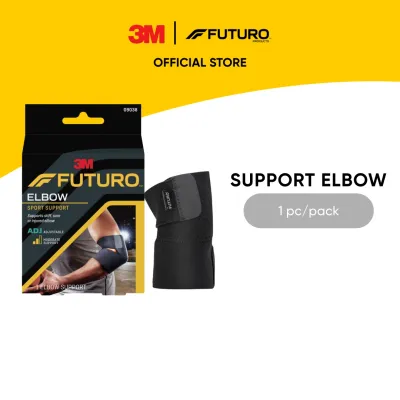
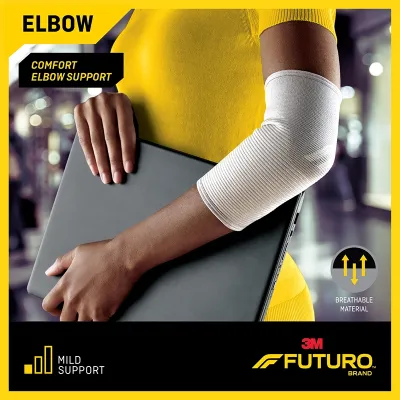
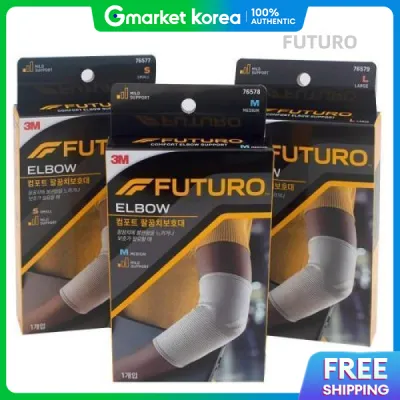
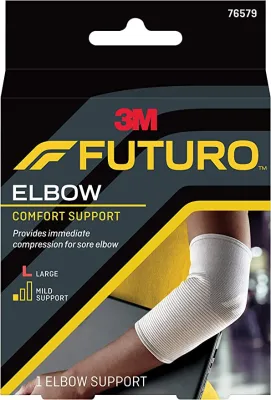
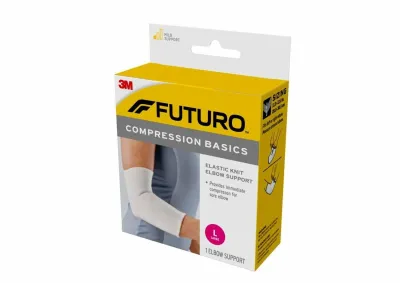

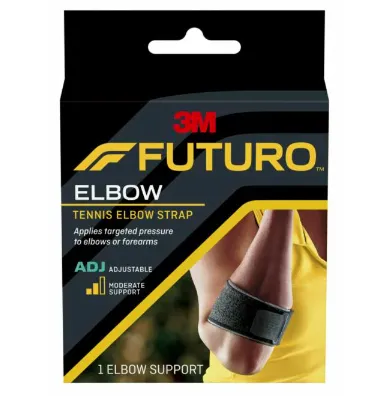
Prices are valid at publication and may change. Please refer to the product page for the latest price.
Conversely, pain localized on the inner side of your elbow is frequently linked to golfer’s elbow. This discomfort is usually aggravated by wrist flexion, squeezing motions, or heavy pulling actions. Activities like carrying heavy grocery bags, performing pull-ups, or repetitive throwing can strain the tendons on the inside of the joint, making localized pressure in this specific area necessary for relief.
For those who experience general stiffness, mild swelling, or diffuse muscle fatigue rather than localized tendon pain, the cause is often repetitive daily tasks or mild overuse. This type of discomfort is common after long hours of computer work or light manual labor, where the joint feels tired and stiff but does not present sharp, localized pain points.
Finally, post-injury recovery phases present different needs. If you are recovering from a mild sprain or strain, your joint may require warmth, mild compression, and protection from sudden, uncontrolled movements. Identifying which of these categories matches your current physical state allows you to choose a brace designed specifically for your recovery goals.
Understanding Support Levels: Matching Brace Strength to Your Activity
Futuro categorizes its braces into distinct support levels to help users match the product’s structural strength to their physical demands. Selecting the correct level ensures you do not over-stabilize a minor strain or under-support a more severe injury.

Mild support products are designed for everyday aches, minor swelling, and active recovery during light tasks. These options typically feature lightweight, elastic, or knit materials that provide gentle, uniform compression. They are ideal for low-impact daily activities, such as office work or light walking, where you want to retain joint warmth and manage mild swelling without restricting your natural range of motion.
Moderate support options incorporate adjustable straps, dual-stretch materials, or targeted pressure pads. These are engineered for active individuals who need targeted relief and stability during sports, gym workouts, or moderate lifting. The adjustable elements allow you to customize the tightness and pressure, making them highly effective for managing active tendon discomfort while still allowing the elbow to bend during movement.
Maximum support and stabilization are reserved for post-injury phases, severe flare-ups, or chronic instability. These braces often feature rigid stabilizers, hinged components, or heavy-duty strapping systems designed to restrict specific joint movements. If your recovery requires you to limit elbow extension or protect the joint from lateral twisting, a maximum support model is necessary to prevent further tissue damage.
Before purchasing, always verify the product packaging and labels. Manufacturers clearly print the support level—mild, moderate, or firm/maximum—on the box. Checking these specifications ensures the brace aligns with your current recovery stage and the physical demands of your environment, whether you are working in an air-conditioned office or exercising in Singapore’s warm, humid climate.
Matching Brace Design Features to Your Elbow Condition
Once you understand your symptoms and the required support level, you can look at specific structural design features to make your final selection. Different brace shapes and materials serve distinct therapeutic purposes.
For localized tendon issues like tennis or golfer’s elbow, look for braces featuring adjustable straps with built-in gel or foam pads. These pads are designed to apply targeted, localized pressure directly to the forearm muscles just below the elbow crease. By compressing the muscle belly, the strap absorbs a portion of the forces that would otherwise travel directly to the painful tendon attachment point, allowing the tissue to rest and heal during activity.
If your primary concern is general stiffness, mild swelling, or arthritis, a compression sleeve is usually the most appropriate choice. Sleeves provide uniform pressure across the entire joint, which helps promote blood circulation and manage fluid retention. The continuous contact also retains body heat, keeping the muscles and tendons pliable and reducing the sensation of stiffness during repetitive tasks.
For severe recovery phases where joint movement must be restricted, look for designs with hinged or rigid components. These structural elements physically prevent the elbow from hyperextending or twisting laterally. While they reduce overall mobility, they provide the high-level stabilization needed when ligaments or tendons are severely compromised and require a controlled environment to heal.
Material choice is also critical, especially in warm or humid climates. Look for breathable, moisture-wicking materials that prevent sweat buildup and minimize skin irritation during all-day wear or high-intensity sports. Checking the manufacturer’s specifications for hypoallergenic or latex-free materials is highly recommended if you have sensitive skin or plan to wear the support for extended periods.
Safety Boundaries: When to Stop and Seek Medical Advice
While an elbow brace is an excellent tool for managing mild discomfort and supporting recovery, it cannot replace professional medical evaluation or proper physical training. Knowing when to stop self-treatment is vital for preventing long-term joint damage.
You must seek immediate professional medical advice if you experience sharp, sudden pain, visible joint deformity, or severe and rapid swelling following an impact, fall, or sudden twist. These symptoms often indicate acute structural damage, such as a fracture, dislocation, or severe ligament tear, which a standard brace cannot safely manage.
Numbness, tingling, or a “pins and needles” sensation extending down your forearm or into your fingers are clear red flags. These symptoms suggest potential nerve compression, such as cubital tunnel syndrome, which requires specialized medical diagnosis and targeted treatment rather than simple compression.
Additionally, if you experience an inability to bend or straighten your arm, or if you notice a significant, unexplained loss of grip strength, do not attempt to self-treat with a brace. These functional limitations point to underlying issues that require clinical assessment.
Finally, if your symptoms worsen, fail to improve after a reasonable period of rest and proper brace use, or if you develop persistent skin irritation or rashes from the brace material, discontinue use immediately. Consult a healthcare professional to re-evaluate your condition and ensure your recovery plan is safe and effective.
Frequently Asked Questions (FAQ)
How do I measure my arm for the correct brace size?
To find your correct size, use a flexible measuring tape to measure the circumference of your arm at the specific point indicated on the product’s sizing chart—usually around the elbow joint or the widest part of your forearm. Ensure you measure directly against your skin rather than over clothing. Keep the tape snug and level, but do not pull it so tight that it compresses the tissue, as an undersized brace can restrict circulation.
Can I wear an elbow brace all day or while sleeping?
Continuous, all-day wear is generally not recommended unless specifically directed by a healthcare professional. Prolonged wear can restrict blood circulation and lead to muscle weakness over time. You should take regular breaks throughout the day to allow your skin to breathe and your muscles to engage naturally. Avoid wearing compression braces while sleeping unless the product packaging explicitly states it is safe for nighttime use, as your body’s natural circulation slows down during rest.
How should I clean and maintain my elbow support?
To preserve the elasticity, structural integrity, and hygiene of your elbow support, hand wash it in cool water using a mild soap. Secure all adjustable Velcro straps before washing to prevent them from snagging the fabric. Rinse the brace thoroughly and lay it flat to air dry away from direct heat or sunlight. Avoid machine washing, tumble drying, or using harsh chemical detergents and bleach, as these will rapidly degrade the elastic fibers and adhesive components.

Community discussion
Share your experience or ask a question. Comments are reviewed before publication.