
Insulation performance during long rides depends on the specific technology, bottle construction, and real-world environmental conditions rather than a single brand name. There is no universal “coldest” bottle for every cyclist. Choosing the right bicycle bottle requires evaluating your typical ride duration, local climate, frame clearance, and handling preferences.
Stainless steel vacuum-insulated bottles offer the highest thermal resistance but add weight and rigidity to your setup. Conversely, insulated plastic squeeze bottles prioritize lightweight convenience and on-the-fly hydration at the expense of long-term temperature control. Understanding how these designs perform under different riding conditions is essential for maintaining refreshing hydration on extended journeys.
Understanding Insulation Technologies in Bicycle Bottles
To select the most effective bottle for your rides, you must first understand the physical mechanisms that govern temperature control. Thermal energy transfers from the warm outside air to your cold drink through conduction, convection, and radiation. Manufacturers use distinct structural designs to block these pathways, resulting in varying levels of thermal efficiency.
Products mentioned in this guide
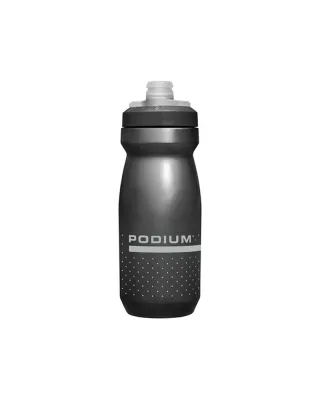
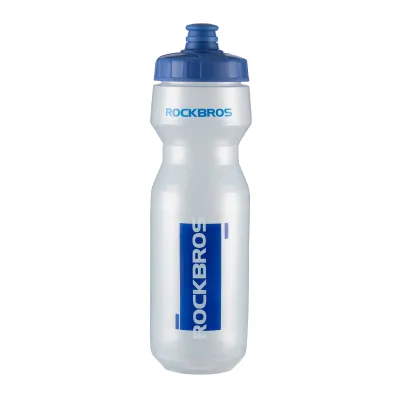
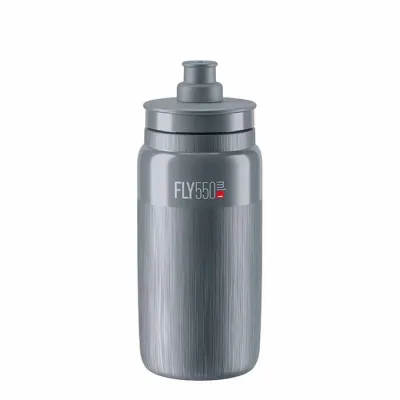
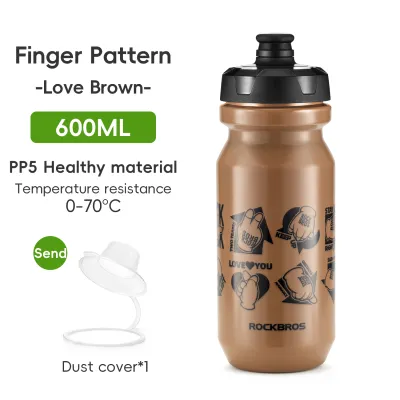
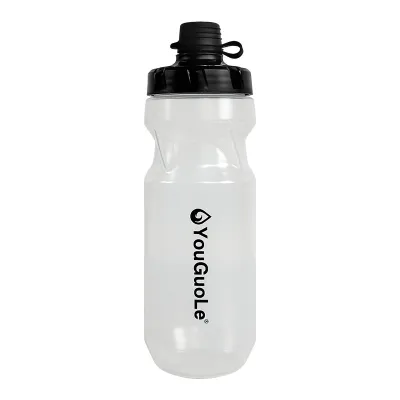
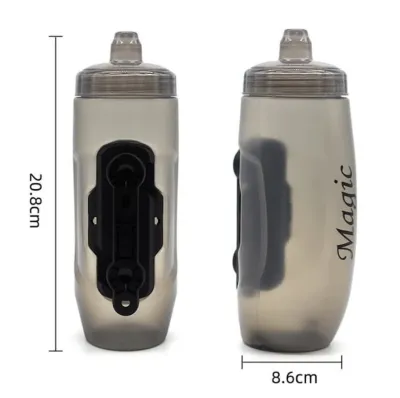
Prices are valid at publication and may change. Please refer to the product page for the latest price.
Single-wall bottles offer no thermal barrier whatsoever. Made of a single layer of plastic or metal, they allow heat to transfer almost instantly from the environment to your beverage. While lightweight and inexpensive, these bottles are unsuitable for keeping drinks cold on warm days, as the liquid inside quickly matches the ambient temperature.
Double-wall vacuum insulation represents the gold standard for temperature retention. This construction features an inner and an outer wall, typically made of stainless steel, with the air completely evacuated from the space between them. Because a vacuum contains no matter, heat cannot transfer via conduction or convection. This design keeps liquids cold for hours, though the rigid metal construction adds weight and cannot be squeezed.
Insulated plastic bottles utilize a different approach to maintain flexibility. Instead of a vacuum, they feature a double-wall plastic shell with a thin insulating layer sandwiched in the middle. This layer is usually composed of closed-cell foam, reflective foil, or specialized gel. While these materials reflect radiant heat and slow down conduction, they are far less effective than a vacuum barrier, meaning your water will warm up much faster.
The choice of material directly impacts both thermal conductivity and usability. Stainless steel is highly durable and holds a vacuum exceptionally well, but it is heavy and can rattle in standard metal cages. BPA-free plastics are lightweight, impact-resistant, and squeezable, making them much easier to use while riding, but their inherent material properties allow heat to penetrate more rapidly.
Key Factors That Affect Cold Retention During Long Rides
Laboratory insulation ratings rarely match real-world cycling performance because outdoor riding introduces several dynamic variables. Ambient temperature and humidity play a massive role in how quickly your drink warms up. Riding in hot, humid tropical climates where temperatures regularly exceed 30°C accelerates heat transfer, especially when the bottle is exposed to direct sunlight on the bike frame.

The initial temperature of your liquid and the overall thermal mass inside the bottle are equally critical. A bottle filled entirely with chilled water will warm up much faster than one packed tightly with ice cubes before the water is added. As the ice melts, it absorbs latent heat, keeping the surrounding water near freezing temperature for a significantly longer duration.
How you interact with your bottle during a ride also influences cold retention. Every time you open the valve or cap to take a drink, you introduce warm ambient air into the bottle, which mixes with the cold air inside. Furthermore, high-speed riding creates constant airflow around the bottle, which can accelerate convective heat transfer if the bottle’s outer surface is warm.
Even the heat from your hands can transfer to the liquid when you hold the bottle. Squeezing a plastic bottle repeatedly forces air in and out, accelerating the warming process. Understanding these factors helps you manage your hydration strategy, such as keeping bottles in the shade when stopping or maximizing ice volume before heading out.
Comparing Insulation Approaches Across Popular Brand Categories
Different sports bottle manufacturers prioritize distinct design goals, resulting in clear trade-offs between thermal performance, weight, and usability. Dedicated cycling brands focus heavily on the riding experience. Their insulated bottles are almost exclusively made of flexible, BPA-free plastics with lightweight foam or reflective liners designed to fit perfectly in standard bottle cages.
These cycling-specific bottles prioritize aerodynamics, low weight, and easy, one-handed squeeze mechanisms. While they excel at keeping water cool for moderate durations—typically one to two hours—they sacrifice long-term thermal retention. They are ideal for fast-paced road cycling or mountain biking where weight and quick hydration are more important than ice-cold water after four hours.
Outdoor and hydration specialists take the opposite approach, adapting heavy-duty vacuum-insulated flasks for active sports use. These brands focus on maximum thermal performance, utilizing double-wall stainless steel vacuum technology. While they can keep drinks cold for an entire day, they are rigid, heavier, and require a pull-top or screw-cap lid rather than a squeezable body, which can make drinking while riding more challenging.
General sports and lifestyle brands offer versatile insulated bottles designed for gym, running, and casual use. These bottles often feature hybrid designs, such as semi-rigid plastics or insulated stainless steel with sports caps. While highly versatile, their compatibility with standard bicycle cages varies, and their thermal performance falls somewhere between dedicated cycling squeeze bottles and heavy-duty outdoor flasks.
Decision Framework: Choosing the Right Bottle for Your Ride Profile
Selecting the right bottle requires matching these technical trade-offs to your specific cycling habits, frame geometry, and performance goals. There is no single option that suits every type of ride, so you must evaluate your priorities before making a purchase.
Choose a double-wall vacuum stainless steel bottle if you prioritize ice-cold water on ultra-endurance rides, gravel tours, or hot-weather commutes where weight is secondary to hydration comfort. You must be comfortable with a rigid bottle that cannot be squeezed and may require stopping or using a specialized cage to prevent rattling.
Choose an insulated squeeze bottle with a gel or foam liner if you are a road cyclist, racer, or mountain biker who needs to hydrate quickly on the move. These lightweight, squeezable options fit standard cages perfectly and provide sufficient cooling for short-to-medium training sessions without disrupting your riding rhythm.
Choose a bottle with an external insulating sleeve if you want a modular setup. This allows you to use a standard, high-capacity single-wall bottle for short winter rides and add a neoprene or fabric insulating sleeve during hotter months to slow down heat transfer.
Before purchasing any insulated bottle, you must verify your bike frame’s inner triangle clearance and your bottle cage dimensions. Insulated bottles are often taller and slightly wider than standard single-wall bottles. Ensure that your cage can accommodate the extra diameter and that the bottle can be easily drawn from the frame without hitting the top tube.
Care and Maintenance to Preserve Insulation Performance
Proper maintenance is essential to ensure your insulated bottle remains hygienic and retains its thermal properties over years of use. Because insulated bottles often feature complex caps, valves, and multi-layered walls, they require more careful cleaning than standard single-wall containers.
Narrow-mouth vacuum bottles require dedicated bottle brushes to reach the bottom corners and remove residue from sports drinks. Wide-mouth squeeze bottles are easier to clean but have complex bite valves and cap assemblies where mold and bacteria can accumulate. Disassemble the cap components regularly and wash them with mild dish soap.
Never place a vacuum-insulated stainless steel bottle in the freezer, as the expanding ice can deform the metal walls and permanently break the vacuum seal. Similarly, avoid washing plastic insulated bottles with boiling water, which can warp the inner liner, melt the adhesive holding the insulating foil, or damage the rubber seals.
Regularly check your bottles for deep dents, cracks, or loose components. A severe drop can compromise the vacuum seal of a metal bottle, rendering its insulation properties ineffective. Inspect silicone bite valves and gaskets for wear, replacing them if they show signs of mold or leakage.
Frequently Asked Questions (FAQ)
Do insulated bicycle bottles fit in standard bike bottle cages?
Most standard bicycle bottle cages are designed for a diameter of approximately 73 to 74 mm. While many insulated squeeze bottles are engineered to fit these dimensions, double-wall stainless steel vacuum bottles are often wider or have rigid outer shells that do not compress. If your bottle is too tight, consider adjustable cages, flexible plastic/carbon cages, or side-entry cages for tight frame clearances.
Can I put hot liquids in an insulated bicycle bottle for winter rides?
You must check the manufacturer’s specific temperature guidelines before putting hot liquids in any sports bottle. Many plastic squeeze bottles and bite valves are not rated for boiling or very hot liquids, as the heat can leach chemicals, warp the plastic, or cause the bottle to leak. Furthermore, squeezing a bottle containing hot liquid can cause sudden pressure buildup, spraying hot water onto your face or hands while riding.
How do I clean the inside of a narrow vacuum-insulated bike bottle?
To clean a narrow-mouth bottle without scratching the interior lining, use a soft-bristled bottle brush and warm, soapy water. For deep cleaning or removing stubborn sports drink odors, use specialized effervescent cleaning tablets or a mixture of warm water and baking soda. Avoid using harsh chlorine bleach, steel wool, or abrasive scouring pads, as these can scratch the stainless steel surface and make it more susceptible to bacterial buildup.

Community discussion
Share your experience or ask a question. Comments are reviewed before publication.