
Quick Answer: What Actually Keeps Shaker Drinks Cold?
To keep your protein shakes and pre-workout drinks ice-cold in Singapore’s relentless tropical heat, the definitive solution is a double-wall vacuum-insulated stainless steel shaker bottle. While single-wall plastic shakers are lightweight and common, they offer virtually zero thermal protection, allowing ice to melt and drinks to warm up within minutes of stepping outdoors. The ultimate cooling performance does not boil down to a single brand name; instead, it depends on the structural specifications of the bottle, specifically the presence of a true vacuum barrier and a high-quality, airtight lid seal.
In high-humidity environments, heat transfer occurs rapidly through conduction and convection. A double-wall vacuum construction physically removes the air between two layers of stainless steel, creating a thermal barrier that heat cannot cross. However, even the best steel body will lose cold retention if the lid is thin, uninsulated, or poorly sealed. Therefore, when comparing options, you must look beyond marketing claims and evaluate the physical build of both the vessel and its closure mechanism.
Key Factors That Determine Cold Retention in High Heat
Understanding the physics of thermal insulation helps you make an informed purchase. The primary mechanism behind long-lasting cold retention is double-wall vacuum insulation. In this design, a manufacturer welds two stainless steel vessels together and evacuates the air from the space between them. Because a vacuum contains no molecules, it prevents conductive and convective heat transfer from the hot external air to your chilled beverage.
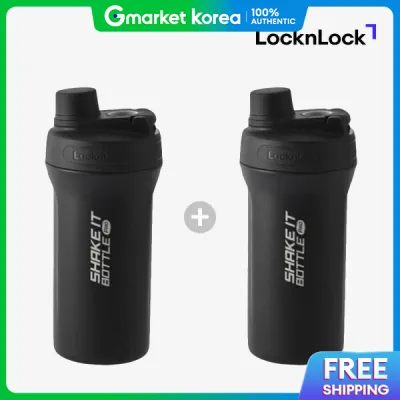
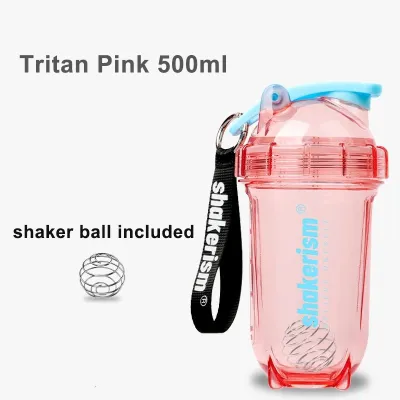
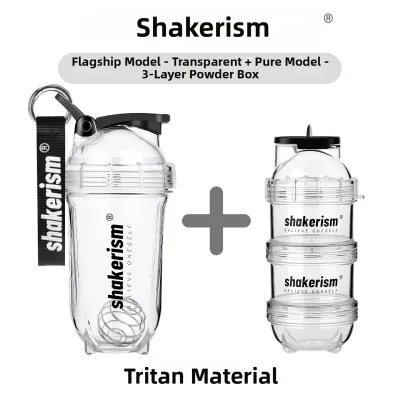
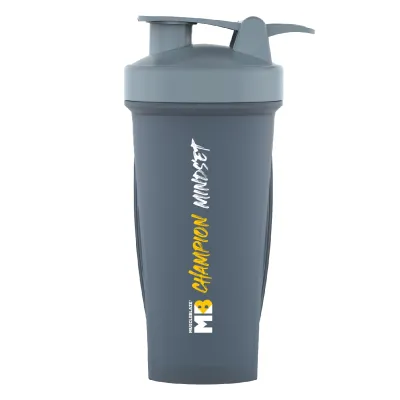
Products mentioned in this guide
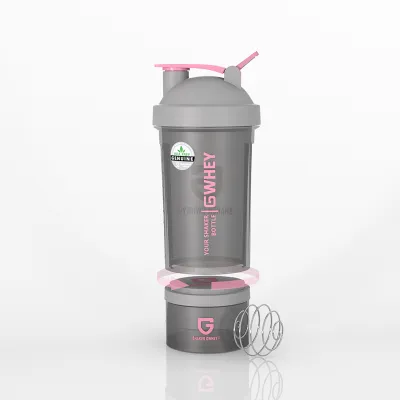
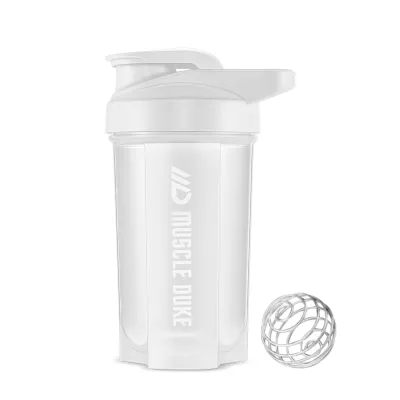
![[Shopwithme99] 3 in 1 Shaker BPA Free Steel Mixing Ball Gym Protein Shaker Bottle With Pills and Powder Container](https://img.lazcdn.com/g/p/ddd41d5e1f5a6e5e91d2dfe4dedcafc7.png_400x400q80.png_.webp)
Prices are valid at publication and may change. Please refer to the product page for the latest price.

The material itself plays a crucial role in temperature stability. High-quality insulated shakers utilize 18/8 food-grade stainless steel (composed of 18% chromium and 8% nickel). This material is highly resistant to corrosion, does not retain stubborn supplement flavors, and provides a robust structure that protects the delicate vacuum seal from accidental impacts.
While the steel body blocks heat from the sides, the lid is often the weakest link in thermal performance. Most shaker lids are made of plastic, which naturally conducts heat faster than a vacuum. To combat this, superior shakers feature thick, heavy-duty lids with integrated silicone gaskets that create an airtight seal. Some advanced designs even incorporate insulated material within the lid itself or feature insulated spout covers to minimize thermal leakage at the top of the bottle.
Another critical factor in tropical climates is condensation prevention, often marketed as a “sweat-proof” exterior. When warm, humid air contacts a cold surface, moisture condenses into water droplets. A properly insulated double-wall bottle remains at room temperature on the outside, preventing condensation entirely. This keeps your hands dry, ensures a secure grip during sweaty workouts, and prevents water damage to other items inside your gym bag.
Comparing Shaker Materials and Insulation Technologies
To choose the right shaker, you must weigh the trade-offs between different materials, mixing efficiency, and portability. Let us look at how the three primary categories compare under real-world conditions.
Double-wall stainless steel shakers represent the gold standard for temperature control. They can maintain ice-cold temperatures for hours, even when left in a hot vehicle or carried during outdoor training sessions. However, this thermal performance comes with added weight. A stainless steel bottle is significantly heavier than its plastic counterparts, which might be a consideration if you travel light.
Single-wall plastic shakers are the most common and affordable options on the market. They are incredibly lightweight and flexible, making them easy to toss into a backpack. However, they offer no insulation. In Singapore’s typical ambient temperatures, an iced drink in a single-wall plastic bottle will reach room temperature in less than an hour, often resulting in a lukewarm, unappealing protein shake post-workout.
Double-wall plastic shakers attempt to bridge the gap by using a double-wall construction with an air gap or a foam layer between the walls. While they are lighter than stainless steel and perform slightly better than single-wall plastic, they cannot match the thermal resistance of a true vacuum. Heat eventually penetrates the air gap, making them unsuitable for extended outdoor use.
When transitioning to an insulated steel vessel, you must also consider how the mixing mechanism interacts with the metal interior. Most insulated shakers utilize a free-floating wire whisk ball, a built-in lid grate, or a removable mixing paddle. High-quality steel shakers feature durable inner walls that resist scratching from metal whisk balls, ensuring the protective oxide layer of the steel remains intact.
| Material Type | Insulation Mechanism | Mixing Compatibility | Ideal Use Case | Weight & Portability |
|---|---|---|---|---|
| Double-Wall Stainless Steel | True Vacuum Barrier | Wire ball, built-in grate, or paddle | Outdoor workouts, long gym sessions, beach training | Heavier; highly durable |
| Double-Wall Plastic | Air gap or foam layer | Wire ball or built-in grate | Short commutes, indoor air-conditioned gyms | Moderate weight; moderate durability |
| Single-Wall Plastic | None | Wire ball or built-in grate | Quick indoor workouts, budget-conscious users | Ultra-lightweight; prone to cracking |
How to Choose the Right Insulated Shaker for Your Workout
Selecting the ideal shaker requires a realistic assessment of your training habits, environment, and budget. There is no single option that suits every athlete, so you should match the bottle’s specifications to your daily routine.
If your fitness routine involves outdoor activities—such as running at East Coast Park, calisthenics at an outdoor gym, or training in non-air-conditioned spaces—a double-wall vacuum-insulated stainless steel shaker is highly recommended. The investment protects your supplements from spoiling and provides a refreshing, ice-cold drink when you need it most.
Conversely, if you train exclusively in fully air-conditioned fitness centers and consume your shake within thirty minutes of mixing, a lightweight single-wall plastic shaker may be perfectly adequate. In this scenario, the thermal protection of steel is less critical, and you can prioritize a lighter gym bag and lower cost.
Capacity is another practical consideration. Standard shakers range from 500 ml to 1 liter. Keep in mind that insulated steel walls make the exterior dimensions of the bottle larger than a plastic bottle of the same capacity. Ensure the bottle you choose fits comfortably in your backpack’s side pockets or your gym bag’s bottle holder.
Finally, evaluate the cost-to-benefit ratio. Premium vacuum-insulated steel shakers typically range from S$30 to S$60, whereas basic plastic models can cost under S$10. If you regularly find yourself drinking warm, separated protein shakes, the S$ premium for a high-quality insulated vessel is a worthwhile investment that enhances your overall workout experience.
Verifying Manufacturer Claims and Maintaining Thermal Performance
Because you cannot test a bottle’s insulation before buying, you must learn how to verify product specifications and maintain the vessel to ensure it performs well over time.
When shopping, read the product labels carefully. Look for explicit terms like “vacuum insulated” or “double-wall vacuum.” Avoid products that only state “double-wall” without mentioning a vacuum, as these often rely on a simple air gap, which offers significantly less thermal resistance.
Once you own an insulated shaker, protect it from physical damage. Dropping a stainless steel bottle can dent the outer wall. If the dent is deep enough to touch the inner wall, it creates a thermal bridge, instantly destroying the vacuum insulation in that area. Treat your bottle with care to preserve its thermal integrity.
Proper maintenance is also essential for preserving the airtight seal. Over time, protein residue and moisture can accumulate in the silicone gaskets of the lid, leading to mold growth and unpleasant odors. Remove the rubber gaskets regularly during cleaning, wash them with mild dish soap, and allow them to dry completely before reassembling.
If you notice your bottle starting to “sweat” or fail to keep drinks cold, inspect the exterior for damage. If the vacuum seal is compromised, the bottle cannot be repaired. In such cases, check if the issue is covered under the manufacturer’s warranty, as many premium brands offer guarantees against insulation failure.
Frequently Asked Questions (FAQ)
Can I mix hot liquids in an insulated shaker bottle?
No, you should avoid shaking hot liquids in a sealed, insulated shaker bottle. Shaking warm or hot liquids causes rapid pressure buildup inside the airtight container due to steam expansion. When you flip open the drinking spout or unscrew the lid, the pressurized liquid can spray out violently, posing a serious burn risk. Always follow the manufacturer’s guidelines regarding temperature limits, and stick to cold or room-temperature beverages when using a shaker.
Why is my insulated shaker bottle sweating on the outside?
If your insulated shaker bottle is sweating, it indicates that the vacuum insulation has failed. A functioning double-wall vacuum bottle prevents heat from transferring to the outer wall, keeping the exterior at room temperature. If the vacuum seal is broken—often due to a hard drop, a manufacturing defect, or structural wear—the cold temperature of the liquid inside will reach the outer steel wall, causing atmospheric moisture to condense on the surface. If this occurs, the bottle’s thermal performance will be permanently degraded, and it will need to be replaced.
How do I prevent protein odors in a stainless steel shaker?
To prevent stubborn protein odors, rinse your shaker with warm water immediately after use. For deep cleaning, wash the bottle with a soft sponge and mild dish soap; avoid abrasive scrubbers like steel wool, which can scratch the inner steel lining and create microscopic crevices where bacteria can thrive. If odors persist, fill the bottle with warm water and a tablespoon of baking soda, let it sit for a few hours, and rinse thoroughly. Always store the bottle with the lid off to allow air circulation and prevent moisture buildup.

Community discussion
Share your experience or ask a question. Comments are reviewed before publication.