
Selecting the right leg weight equipment is the defining step between a highly effective lower-body workout and an frustrating, injury-prone routine. The market is filled with options ranging from wearable ankle straps to heavy iron barbells, making it easy to overspend on gear that eventually sits unused in a corner. To make an efficient choice, you must align your equipment purchase with your specific physical capabilities, training environment, and long-term fitness objectives.
By evaluating how different tools apply resistance to your muscles, you can invest in gear that directly supports your progression. Whether you want to tone your legs, build explosive athletic power, or recover from an injury, the right tool will provide the appropriate level of challenge without compromising your joint health.
Identify Your Primary Leg Training Objective
Before browsing online marketplaces or local fitness retailers, you must define what you want to achieve with your lower-body training. Muscle hypertrophy, or muscle growth, requires progressive tension that is best delivered by heavier, adjustable loads. If your goal is cardiovascular endurance or muscular stamina, you will benefit more from lighter, wearable resistance that allows for high-repetition movements over extended periods. For joint rehabilitation, the priority shifts to low-impact, highly controlled tension that isolates specific stabilizing muscles without overloading the surrounding joints. Athletic explosiveness, on the other hand, demands tools that allow for rapid, dynamic acceleration, such as resistance bands or specialized vests.
Products mentioned in this guide
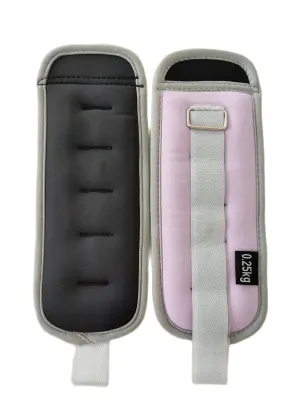
![🇸🇬 [In Stock]Womens Pilates wrist and ankle weights wearable arm and leg weights (1 lb each) for yoga dance Pilates cardio and walking](https://img.lazcdn.com/g/p/9e694d05bf87bf697057b0fbf4ed73e3.jpg_400x400q80.jpg_.webp)
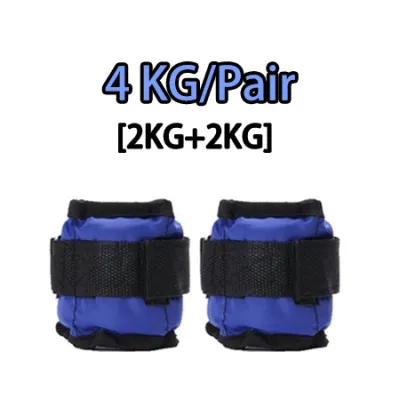

![[SG]Wrist Weight Adjustable Ankle Weight Silicone Sports Wristbands Leg Energy Wrist Strength Training Weights Silicone Wristband](https://img.lazcdn.com/g/p/0af90eae3c38a6f7d3dc581a62a4cdd0.jpg_400x400q80.jpg_.webp)
![[SG Stock]Leg weight sandbag wrist weight sandbag strength training sandbag dance training sandbag sports sandbag](https://img.lazcdn.com/g/p/2f5d03c05c91a6321d4467990af47778.jpg_webp_400x400q80.jpg_.webp)
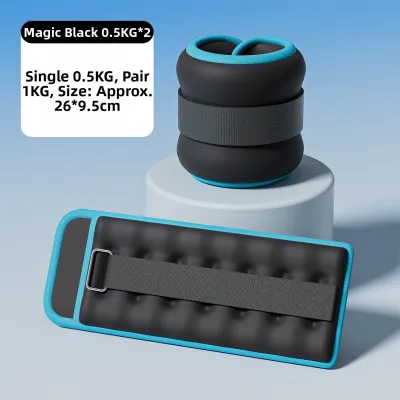
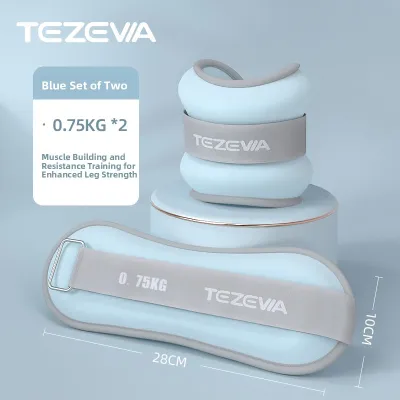
Prices are valid at publication and may change. Please refer to the product page for the latest price.
Recognizing when your current bodyweight routine has plateaued is the primary indicator that you need to introduce external resistance. If you can easily perform more than twenty to twenty-five consecutive bodyweight squats or lunges with perfect form and without feeling muscular fatigue, your muscles have adapted to your body weight. At this stage, continuing with bodyweight-only exercises will primarily train endurance rather than building new strength or muscle mass. Introducing external leg weights provides the stimulus needed to challenge your muscle fibers and trigger further adaptation.
However, adding external weight is not always the correct decision and can sometimes hinder your progress or increase your risk of injury. If you are currently experiencing active joint pain, recovering from an acute strain, or struggling to maintain balance during basic bodyweight movements, adding load will only compound these issues. Poor movement mechanics are magnified under tension, which can lead to compensation patterns where your lower back or knees take on dangerous levels of stress. In these scenarios, mastering bodyweight mobility and stability must take precedence over purchasing weighted equipment.
Match Equipment Types to Your Training Needs
Lower-body training equipment generally falls into three distinct categories: wearable loads, traditional free weights, and variable resistance tools. Each category alters how gravity and tension act upon your muscles, changing the difficulty and nature of your exercises. Understanding these fundamental differences allows you to narrow down your choices to the tools that match your daily workout environment and physical limits.

Choosing the wrong category can lead to inefficient workouts or premature equipment wear. For instance, using heavy free weights for high-speed agility drills can strain your connective tissues, while using light wearable weights for strength building will yield minimal muscle growth. Matching the tool to the movement pattern is essential for safe progression.
Wearable Weights: Ankle Weights and Weighted Vests
Wearable weights are designed to distribute resistance directly across your body, keeping your hands free and allowing for relatively natural movement patterns. Ankle weights are highly effective for low-impact, isolated exercises such as leg lifts, donkey kicks, and hamstring curls, making them a staple in physical therapy and rehabilitation. However, they are poorly suited for high-impact cardiovascular activities like running or jumping. The added weight at the end of your limbs increases the leverage and rotational force on your knee and hip joints, which can alter your natural gait and lead to repetitive strain injuries.
Weighted vests offer a highly functional way to add resistance to compound movements like squats, lunges, step-ups, and plyometric jumps. Because the load is positioned close to your center of gravity, a vest increases the challenge to your legs and core without significantly altering your movement mechanics. When shopping for a weighted vest, look for models with adjustable weight packets so you can scale the resistance as your strength improves. Always verify the manufacturer’s sizing chart and strap system to ensure a snug, secure fit that prevents the vest from shifting or bouncing during dynamic movements.
Free Weights: Dumbbells, Kettlebells, and Barbells
Traditional free weights are the gold standard for building raw lower-body strength and muscle mass, though they require a higher level of core stability and coordination. Holding dumbbells at your sides during lunges or squats lowers your center of gravity, making it easier to maintain balance compared to placing a bar across your back. Dumbbells also allow you to train unilaterally—working one leg at a time—which helps identify and correct strength imbalances between your left and right sides.
Barbells allow you to lift the heaviest loads possible, making them indispensable for advanced strength training, heavy squats, and deadlifts. However, training with a barbell comes with a steeper learning curve and requires strict adherence to safety protocols. You must verify that your training space can accommodate a barbell and that you have access to a sturdy squat rack with adjustable safety pins to catch the weight if you experience muscle failure. For dynamic, fluid movements like swings, cleans, and goblet squats, kettlebells are often preferred over dumbbells because their off-center weight distribution challenges your grip and posterior chain in a highly functional manner.
Resistance Bands and Cable Machines
Variable resistance tools offer a unique training stimulus by changing the tension throughout the range of motion of an exercise. Resistance bands provide accommodating resistance, meaning the tension increases as the band stretches. This profile matches the natural strength curve of many leg exercises, offering lighter tension at your weakest joint angles and maximum tension at your strongest points. Bands are exceptionally joint-friendly, highly portable, and ideal for home workouts where storage space is limited.
Cable machines, typically found in commercial gyms, provide constant, smooth tension regardless of gravity or the angle of your movement. This allows you to perform exercises like cable pull-throughs, leg extensions, and standing hip abductions with consistent resistance from start to finish. If you choose to use resistance bands at home, always inspect the material for small tears or discoloration before use, and ensure you use a certified, heavy-duty door anchor or a secure, non-slip structural post to prevent the band from snapping back or slipping during your workout.
Assess Your Readiness and Safety Limits
To introduce leg weights safely, you must apply the principle of progressive overload, which involves gradually increasing the demands on your musculoskeletal system. If you are transitioning from bodyweight exercises, start with the smallest weight increment available—such as a pair of 1 kg to 2 kg ankle weights, or a light resistance band. Only increase the weight when you can complete all your planned sets and repetitions with perfect control, smooth transitions, and zero joint discomfort. Rushing to heavier weights before your tendons and ligaments have adapted is a primary cause of overuse injuries.
During your workouts, you must remain highly sensitive to physical warning signs that indicate the load is too heavy or your form is breaking down. Sharp, sudden, or localized pain in your knees, hips, ankles, or lower back is an immediate signal to stop the exercise. Other red flags include rounding your lower back during squats, relying on momentum to swing the weights, or experiencing an altered, uneven gait during weighted steps. These signs indicate that your primary leg muscles are fatiguing, causing your body to compensate by placing dangerous stress on your joints and spine.
If you experience persistent joint pain during or after your workouts, or if you cannot perform a weighted movement without compensating, pause your training immediately. Equipment cannot replace proper movement patterns, coaching, or physical conditioning. In these situations, consult a certified personal trainer to assess your form, or a physical therapist to address any underlying mobility restrictions or strength imbalances before attempting to load the movement again.
Build Your Equipment Shortlist for Purchase
Your training environment and available space should heavily influence your final equipment purchase. If you live in a compact apartment, large items like barbells, weight plates, and squat racks are impractical due to space constraints and the risk of damaging your flooring. Instead, prioritize space-saving, versatile gear such as a set of adjustable dumbbells, a selection of loop resistance bands, or a compact weighted vest. These items can be easily stored in a closet or under a bed while still providing a wide range of resistance levels for your workouts.
If you have access to a dedicated garage gym or a commercial fitness facility, your options expand significantly. In these settings, you can utilize heavy barbells, kettlebells, and cable systems to maximize your strength gains. For those on a limited budget, focus on multi-purpose gear that offers the highest utility per dollar. A single, moderate-weight kettlebell or a set of high-quality resistance bands with handles and door anchors can target every major muscle group in your legs without requiring a significant financial investment.
Before finalizing your purchase on any online marketplace or local retail store, carefully verify the product specifications. Check the maximum load capacity of any resistance bands, the secure locking mechanisms of adjustable dumbbells, and the durability of the stitching on weighted vests or ankle straps. Additionally, review the retailer’s return policy and warranty terms, ensuring you can exchange or return the equipment if it arrives damaged or does not fit your space as expected.
Frequently Asked Questions (FAQ)
Can I use ankle weights for walking or running to burn more calories?
Using ankle weights during repetitive, high-impact cardiovascular activities like walking or running is generally not recommended. The added weight at the end of your lower limbs alters your natural stride, placing unnatural rotational forces and increased stress on your ankles, knees, and hips. This biomechanical shift can lead to joint misalignment, muscle imbalances, and repetitive strain injuries over time. To increase your calorie burn or cardiovascular intensity safely, consider walking up an incline, increasing your pace naturally, or wearing a properly fitted weighted vest that distributes the load evenly across your torso.
How do I know if I am ready to move from bodyweight squats to weighted squats?
Before adding external weight to your squats, you must satisfy several movement prerequisites to ensure your joints can handle the increased load. You should be able to perform at least fifteen to twenty consecutive bodyweight squats with a full range of motion, meaning your thighs parallel to the floor or slightly lower, while keeping your heels firmly planted on the ground. Your knees must track in line with your toes without collapsing inward, and your chest should remain relatively upright with a neutral spine throughout the movement. If you can maintain this level of control and balance without pain, you are ready to transition to weighted squats, starting with light resistance bands or a single light dumbbell held at your chest.

Community discussion
Share your experience or ask a question. Comments are reviewed before publication.