
Choosing the right Neenca ankle brace depends on matching the structural design of the support to your specific physical activity, the severity of your injury, and your recovery stage. Because ankle braces range from highly flexible compression sleeves to rigid mechanical stabilizers, selecting the wrong type can either leave your joint vulnerable to re-injury or unnecessarily restrict your natural movement. To find the ideal balance between protection and mobility, you must evaluate the brace’s structural support level, its compatibility with your footwear, and how it aligns with your rehabilitation goals.
Ankle injuries are among the most common musculoskeletal issues faced by athletes and active individuals alike. Whether you are recovering from a severe sprain, managing chronic instability, or looking to prevent future injuries during high-impact sports, a supportive brace can provide the external stability your ligaments need. However, the market is filled with various designs, and even within a single brand like Neenca, the options can be overwhelming. Understanding how different brace structures function is the first step toward making an informed decision that protects your joint while supporting your active lifestyle.
By analyzing the mechanical features of each brace type, you can determine which model provides the appropriate level of restriction and compression. This guide breaks down the structural categories of Neenca ankle braces, matches them to specific athletic demands, outlines how to align them with your rehabilitation timeline, and provides a practical checklist for sizing and safety. With this systematic approach, you can confidently select a support system that fits your needs and keeps you moving safely.
Products mentioned in this guide
Prices are valid at publication and may change. Please refer to the product page for the latest price.
Understand Neenca Ankle Brace Designs and Support Levels
To choose the right support, you must first understand the primary structural designs available and how they interact with your ankle joint. Neenca offers several configurations, each engineered for a specific balance of flexibility, compression, and mechanical restriction.
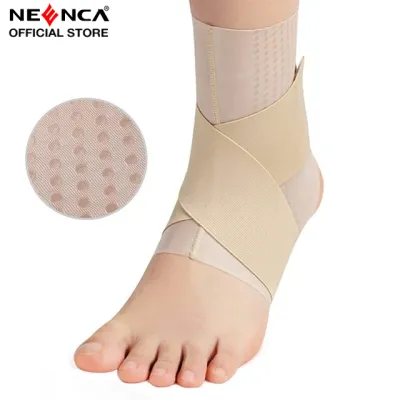
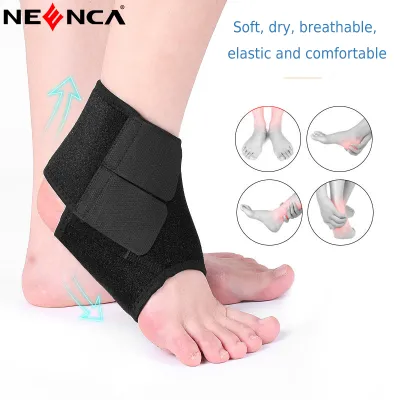
Compression sleeves represent the most flexible tier of ankle support. Typically constructed from elastic knit fabrics or neoprene, these sleeves fit snugly around the foot and ankle joint. Their primary function is not to mechanically restrict movement, but rather to provide mild support, manage localized swelling, and retain therapeutic warmth. The compression helps stimulate blood flow and enhances proprioception—your body’s awareness of joint positioning—which can improve stability during low-impact movements. These sleeves are ideal for minor aches, mild swelling, or as a preventive measure during daily activities.
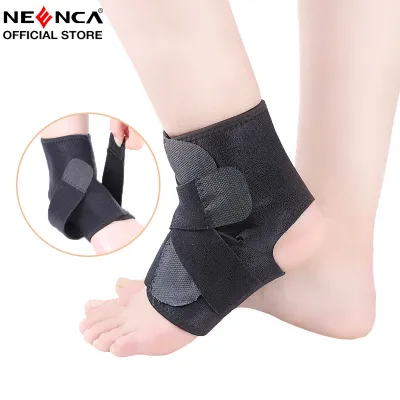
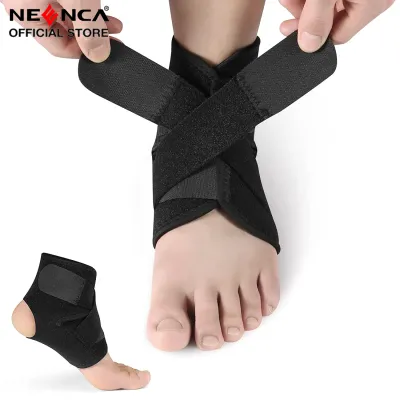
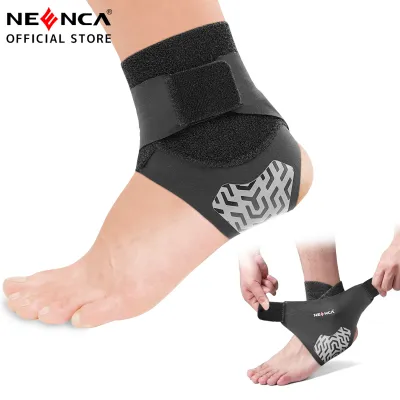
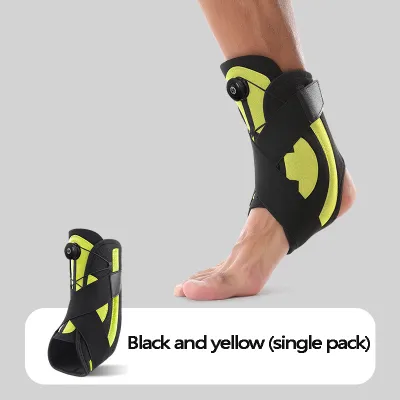
Strap and lace-up models introduce a higher level of adjustable, moderate stabilization. These designs often feature a non-stretch fabric base secured by laces or hook-and-loop straps that mimic athletic taping techniques. By wrapping straps in a figure-eight or figure-six pattern around the ankle, you can customize the tension to restrict excessive lateral movements, such as inversion (rolling inward) and eversion (rolling outward). This adjustable tension allows you to tighten the brace during high-activity periods and loosen it for comfort during rest, making it a versatile choice for dynamic sports.
Air bladder or gel-insert designs focus on targeted compression and impact cushioning. These braces typically feature semi-rigid side shells lined with inflatable air chambers or contoured gel pads that conform to the unique anatomy of your ankle. The primary benefit of this design is its ability to deliver uniform, high-pressure compression directly to the swollen areas around the malleolus (the bony bumps on the sides of the ankle) while cushioning the joint against external impacts. This makes them highly effective for acute injury management and early-stage rehabilitation where swelling control is paramount.
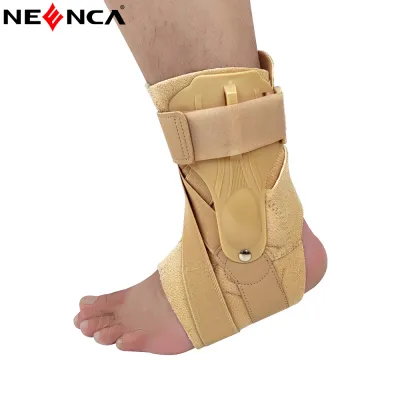
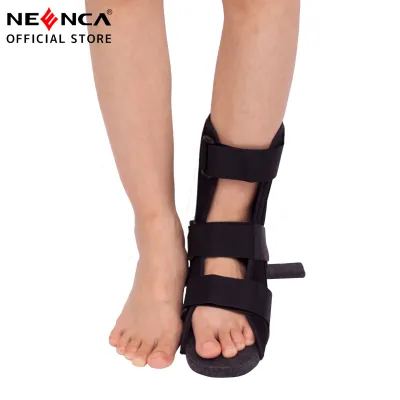
Rigid or hinged structures provide the maximum level of mechanical restriction. These braces utilize solid plastic or composite uprights, often connected by a hinge at the ankle joint, to physically block lateral movement while allowing natural forward and backward bending (dorsiflexion and plantarflexion). Because they offer robust structural reinforcement, rigid braces are typically reserved for severe joint instability, chronic ligament laxity, or post-operative protection. They act as an external skeleton, preventing the ankle from rolling even under significant lateral forces, though they are bulkier and less flexible than other designs.
Match Brace Structures to Your Specific Sport and Activity
The physical demands of your chosen sport or daily routine dictate the type of ankle brace structure you require. A brace that excels on a basketball court may be highly impractical for long-distance running or weightlifting.

For high-impact and court sports like basketball, tennis, netball, or badminton, your ankles are subjected to rapid lateral movements, sudden jumps, and quick directional changes. These actions place immense stress on the lateral ligaments, making inversion sprains a constant risk. To safeguard your joints in these environments, focus on Neenca models equipped with lateral straps, figure-eight configurations, or semi-rigid side stabilizers. These structural elements provide the necessary mechanical resistance to counter sudden rolling forces, helping to keep your ankle aligned during intense lateral maneuvers.
Running and endurance activities require a completely different approach to ankle support. Runners move primarily in a single plane of motion (sagittal plane) and require repetitive, unrestricted heel-to-toe transitions. A bulky or rigid brace can alter your natural running biomechanics, leading to compensatory pain in the knees, hips, or lower back. For these activities, prioritize lightweight, low-profile compression sleeves. These sleeves fit seamlessly inside running shoes, provide gentle joint warmth, and enhance proprioceptive feedback without adding unnecessary weight or restricting your natural stride.
Gym workouts and weightlifting demand a balance of stability and mobility. Exercises like squats, lunges, and cleans require a significant range of ankle dorsiflexion to maintain proper form and depth. A rigid brace that locks the ankle can compromise your lifting mechanics. Instead, look for flexible supports or adjustable strap models that allow you to fine-tune the tension. This ensures you receive joint stability and proprioceptive feedback during heavy lifts while retaining the flexibility needed to execute deep movements safely.
For daily wear, walking, and office environments, comfort and breathability are the primary considerations. If you need to wear a brace for several hours while standing or walking, a bulky, non-breathable model can quickly cause discomfort, skin irritation, or excessive sweating. Emphasize low-profile designs made from moisture-wicking, breathable knit fabrics. These models fit comfortably inside standard casual, athletic, or work shoes, allowing you to go about your day with subtle, reliable support that does not draw unwanted attention or cause physical fatigue.
Select Support Levels for Injury Recovery and Rehabilitation
Aligning your brace selection with your specific stage of injury recovery is crucial for safe healing. Using the wrong level of support at the wrong time can either delay your recovery or expose your healing ligaments to premature stress.
During the acute phase immediately following an ankle injury, your primary goals are to control swelling, protect the damaged tissues, and prevent further trauma. This phase is characterized by pain, inflammation, and limited weight-bearing capacity. Here, a highly supportive brace, such as an air-bladder, gel-insert, or semi-rigid model, is often appropriate to immobilize the joint and provide targeted compression. However, it is vital to seek a professional medical evaluation during this stage. A doctor or physical therapist must diagnose the severity of the injury to rule out fractures or complete ligament tears before you rely on self-treatment with a brace.
As you transition into the sub-acute and rehabilitation phase, your focus shifts toward gradually restoring your ankle’s range of motion and strength. During this period, keeping the joint completely immobilized can lead to muscle atrophy and joint stiffness. Transitioning to an adjustable strap model or a supportive compression sleeve allows for controlled movement. These braces provide a safety net, protecting the healing ligaments from sudden lateral rolls while allowing you to perform rehabilitation exercises and gradually increase your daily walking distance.
The return-to-sport phase represents the final step in your recovery journey, where you prepare to re-enter high-risk athletic environments. Even after your pain has subsided and your strength has largely returned, the newly healed ligaments may still be vulnerable to re-injury, and you may experience psychological hesitation. Utilizing a maximum-support brace with lateral stabilizers or figure-eight straps during this phase provides both physical mechanical restriction and a boost in psychological confidence. This external support helps bridge the gap until your joint fully regains its pre-injury resilience.
Despite the benefits of ankle braces, it is critical to recognize their limitations. A brace is a supportive aid, not a cure. It does not replace the necessity of targeted physical therapy, balance training, and strengthening exercises. Relying solely on a brace without addressing the underlying muscle weakness or joint instability can lead to long-term dependency and chronic joint issues. Always follow the specific instructions and rehabilitation protocols provided by your healthcare provider to ensure a complete and safe recovery.
Verify Sizing, Shoe Compatibility, and Safety Before You Buy
To ensure your selected Neenca ankle brace performs effectively and safely, you must verify its fit, compatibility with your footwear, and material safety before making a purchase. An ill-fitting brace can cause more harm than good.
Accurate sizing is the foundation of effective ankle support. Never select a brace size based solely on your standard shoe size, as shoe sizes do not account for the actual volume of your ankle joint, heel, or midfoot. Instead, consult the manufacturer’s specific sizing chart and use a flexible measuring tape to measure the circumference of your ankle (just above the ankle bone), your heel-to-instep loop, or your midfoot as directed. Taking these precise measurements ensures the brace delivers the intended level of compression and support without being restrictively tight or loose enough to slip.
Shoe compatibility is another critical factor that is often overlooked. A supportive brace adds physical volume to your foot, which can alter how your shoe fits. Before committing to a specific model, check if it can fit comfortably inside your primary athletic or daily shoes. If a brace is too bulky, it can cause pressure points, pinch your skin, lead to heel slippage, or restrict blood flow within the shoe. In some cases, you may need to loosen your shoelaces, remove the shoe’s existing insole, or temporarily wear a slightly wider shoe to accommodate the brace safely.
Material considerations play a significant role in long-term comfort and skin health. Many supportive braces utilize materials like neoprene for warmth and durability, or silicone grips to prevent the brace from sliding down. However, some individuals have skin sensitivities or allergies to these compounds. If you have sensitive skin, look for braces made from hypoallergenic, breathable knit fabrics, or plan to wear a thin, moisture-wicking sock underneath the brace to act as a protective barrier. This simple step can prevent chafing, rashes, and moisture buildup during extended wear.
Finally, you must remain vigilant for warning signs that indicate a brace is causing harm. A brace should feel supportive and snug, but never painful or restrictive to your circulation. If you experience numbness, tingling, coldness in your toes, skin discoloration, skin breakdown, or worsening pain while wearing the brace, these are clear signs of restricted circulation or nerve compression. You must stop using the brace immediately, remove it from your foot, and consult a qualified healthcare professional to reassess the fit or address any underlying issues.
Frequently Asked Questions (FAQ)
Can I wear a Neenca ankle brace while sleeping?
Generally, you should not wear a supportive or highly compressive Neenca ankle brace while sleeping unless specifically instructed to do so by your healthcare provider. When you are asleep, your body’s circulation naturally slows down, and you cannot actively monitor for warning signs of restricted blood flow, such as numbness or tingling. Wearing a tight brace overnight can lead to nerve compression, skin irritation, or impaired circulation. If you require overnight support, a doctor may recommend a specialized, non-compressive night splint instead.
How do I clean and maintain my Neenca ankle brace?
To preserve the elasticity, structural integrity, and hygiene of your Neenca ankle brace, regular and gentle cleaning is essential. Hand wash the brace in cold water using a mild detergent, avoiding bleach or fabric softeners which can degrade the synthetic fibers and elastic components. Before washing, secure all hook-and-loop straps to prevent them from snagging the fabric. Allow the brace to air dry completely in a well-ventilated area away from direct sunlight or heat sources; never use a clothes dryer, as high heat can warp plastic stabilizers and ruin the elastic materials.
Will wearing an ankle brace weaken my ankle muscles over time?
Wearing an ankle brace continuously without participating in active rehabilitation can lead to muscle weakness and joint dependency over time. The brace acts as an external support, which can cause the surrounding muscles and tendons to become less active. To prevent this, use the brace as a temporary protective supplement during high-risk activities or early recovery phases, rather than a permanent replacement for joint strength. Combine brace use with targeted strengthening, flexibility, and balance exercises recommended by a physical therapist to rebuild your ankle’s natural stability.

Community discussion
Share your experience or ask a question. Comments are reviewed before publication.