
Finding a steel protein shaker that keeps your post-workout shake ice-cold depends on understanding thermal engineering rather than relying on brand popularity alone. While many manufacturers claim superior performance, the actual duration of cold retention is determined by construction quality, lid design, and how you use the bottle during your training session. A high-quality insulated shaker prevents your protein drink from warming up, curdling, or becoming unpalatable, which is especially crucial if you train in warm environments or mix your supplements ahead of time.
To make an informed choice, you must look past marketing buzzwords and evaluate the physical specifications of the shaker. By understanding how heat transfers into your drink, you can select a model that maintains the perfect temperature from your first warm-up set to your final cool-down stretch.
Core Insulation Specs to Check Before Buying
The primary factor in temperature retention is the construction of the shaker body. Double-wall vacuum insulation is the gold standard for keeping liquids cold. This technology features two stainless steel walls with a vacuum sealed between them. Because a vacuum contains no air molecules, it virtually eliminates heat transfer via conduction and convection. In contrast, single-wall steel shakers offer no insulation; they quickly transfer external heat to your drink and will sweat profusely in humid conditions, leaving condensation on your hands and gym bag.
Products mentioned in this guide
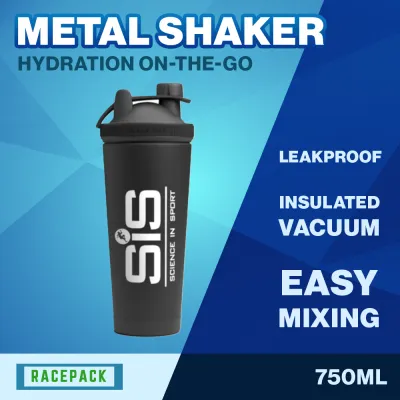
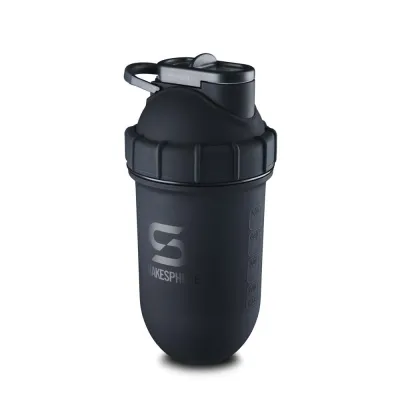
![ShakeSphere Tumbler Double Wall Steel 700ml [Matte Black]](https://img.lazcdn.com/g/p/6ae073b32ce5cf7e411309ba0575a681.jpg_400x400q80.jpg_.webp)
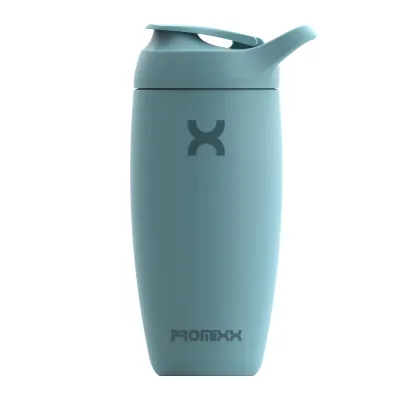
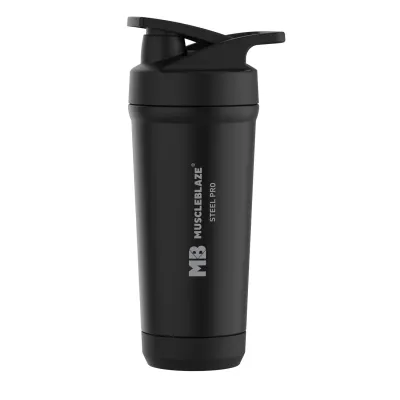
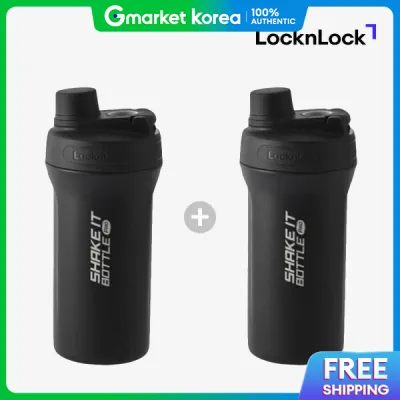
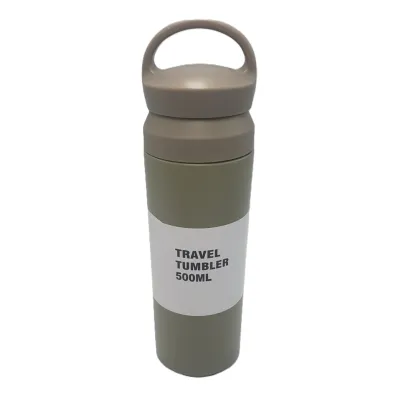
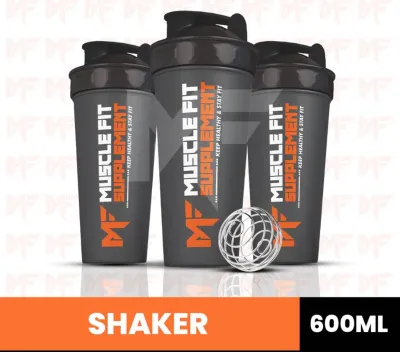
Prices are valid at publication and may change. Please refer to the product page for the latest price.
While the steel body prevents heat entry through the sides, the lid is often the weakest link in thermal performance. Most shaker lids are made of plastic, which does not insulate as effectively as double-walled steel. Screw-top lids generally provide a tighter, more reliable seal that minimizes air exchange, whereas flip-lids offer convenience but rely on small silicone gaskets that can wear down over time. A loose or poorly designed lid allows warm ambient air to seep into the chamber, rapidly raising the internal temperature of your shake.
Additionally, the capacity and physical shape of the shaker play a significant role in thermal dynamics. Larger volumes of liquid possess greater thermal mass, meaning they naturally resist temperature changes longer than smaller volumes. However, a wider bottle increases the surface-area-to-volume ratio, exposing more of the liquid to the uninsulated lid area. If cold retention is your absolute priority, a taller, narrower double-walled vacuum shaker will typically outperform a short, wide-mouth alternative of the same volume.
Matching Shaker Design to Your Workout Routine
Choosing the right shaker requires balancing thermal efficiency with mixing performance. Wide-mouth shakers are highly convenient for scooping large portions of protein powder without spilling, and they often accommodate built-in mixing grids that sit just below the mouthpiece. However, every time you open a wide-mouth lid, a large volume of warm air enters the bottle. Narrow openings paired with free-floating metal shaker balls minimize this air exchange during sips, though they can be slightly more challenging to fill and clean.

Some modern steel shakers feature compartmentalized designs, offering detachable bottom storage compartments for dry powder or supplements. While highly convenient for keeping your powder dry until it is time to mix, you must verify how these compartments attach. If the compartment screws directly into the insulated base, it can create a thermal bridge that allows heat to bypass the vacuum seal. Opt for designs where the storage compartment is completely external and does not compromise the integrity of the double-wall vacuum chamber.
The exterior finish of the shaker also impacts your workout experience. High-quality steel shakers often feature powder-coated exteriors. This textured coating prevents the bottle from slipping out of sweaty hands during intense training sessions. It also adds an extra layer of protection against scratches and dents when placed on rough gym floors or metal equipment racks. A damaged exterior wall can occasionally compromise the internal vacuum seal, so a durable outer coating is essential for long-term performance.
Environmental and Usage Factors That Reduce Cold Retention
Even the most advanced vacuum-insulated shaker will struggle to keep drinks cold if environmental factors are ignored. Opening the lid frequently to take small sips throughout a two-hour workout continuously introduces warm air and expels cold air. To maximize temperature retention, keep the lid firmly closed between sets and avoid leaving the mouthpiece open.
External temperatures play a massive role in how hard your shaker’s insulation has to work. For instance, training outdoors or in non-air-conditioned functional fitness spaces in Singapore’s tropical climate exposes the bottle to high ambient heat and humidity. Direct sunlight striking the steel exterior will rapidly heat the outer wall, placing a heavy load on the vacuum barrier. Whenever possible, store your shaker in the shade, inside a gym bag, or away from direct sunlight to preserve its cooling capabilities.
You can significantly extend cold retention by practicing simple pre-chilling techniques. Before mixing your shake, fill the steel bottle with ice water and let it sit for a few minutes to cool the inner steel wall. Drain the water, then immediately add your cold liquid base, protein powder, and a few ice cubes. Starting with a pre-chilled container ensures that the thermal energy of the steel does not immediately warm up your freshly mixed drink.
Decision Framework: Which Shaker Type Fits Your Needs?
To select the ideal steel protein shaker, you must align the bottle’s specifications with your specific training habits and environment. If you participate in long outdoor workouts, endurance training, or sessions in high-temperature environments, prioritize a high-capacity, double-wall vacuum-insulated shaker with a secure screw-top lid. This configuration offers the maximum thermal barrier against extreme external heat, ensuring your shake remains cold and refreshing even after several hours.
Conversely, if your workouts are shorter, conducted in air-conditioned indoor gyms, or if you prioritize convenience, a flip-lid shaker with an integrated mixing grid may be more suitable. While a flip-lid may experience slightly faster thermal loss than a heavy-duty screw-top, the ease of one-handed operation and quick sipping often outweighs the minor drop in insulation performance for indoor sessions lasting under an hour.
Before making a purchase, always verify the manufacturer’s official specifications regarding cold retention, which are typically stated in hours. Cross-reference these claims with user reviews on online marketplaces to see how the shaker performs in real-world gym environments. Look for feedback regarding lid durability, leak resistance, and whether the bottle fits comfortably in standard cup holders or gym bag side pockets.
Cleaning and Maintaining Insulated Shakers
Proper maintenance is crucial to preserve both the hygiene and the thermal performance of your steel shaker. While stainless steel is highly durable, you should generally hand-wash the insulated body. The intense heat and harsh detergents used in household dishwashers can degrade the outer powder coating and, more importantly, compromise the vacuum seal over time. If the vacuum seal fails, the bottle will lose its insulating properties entirely and begin to sweat.
Pay close attention to the lid, silicone gaskets, and mixing mechanisms during cleaning. Protein powder residue is notorious for settling into tight crevices, such as the grooves of screw threads and behind rubber O-rings. If left uncleaned, this buildup quickly breeds bacteria, leading to stubborn, unpleasant odors. Remove the silicone gaskets periodically to wash them thoroughly with warm, soapy water, and use a dedicated bottle brush to reach the bottom of the shaker.
After washing, allow all components to dry completely before reassembling or storing the shaker. Storing a damp steel bottle with the lid tightly closed traps moisture, which can cause musty odors and a metallic taste. Leave the lid off and place the bottle upside down on a drying rack to ensure complete airflow, keeping your shaker fresh and ready for your next workout.
Frequently Asked Questions (FAQ)
Do steel protein shakers retain odors more than plastic ones?
High-quality food-grade stainless steel is non-porous, meaning it naturally resists absorbing odors and stains far better than standard plastic shakers. However, foul smells can still develop if protein residue is allowed to dry inside the bottle or if the silicone gaskets in the lid are not cleaned regularly. To prevent odors, rinse your shaker with water immediately after use and wash it thoroughly with soap as soon as you get home.
Can I put hot liquids in an insulated steel protein shaker?
You must always consult the manufacturer’s specific guidelines before using your shaker for hot beverages. Shaking hot liquids inside a completely sealed, vacuum-insulated container is highly dangerous because the heat causes steam and pressure to build up rapidly inside the bottle. When you flip or unscrew the lid, this pressure can cause hot liquid to spray out violently, posing a severe burn risk. If you use the shaker for warm drinks, stir the mixture with a spoon instead of shaking it, and leave the lid open to vent pressure.

Community discussion
Share your experience or ask a question. Comments are reviewed before publication.