
A recumbent bike can certainly fit into a typical Singapore HDB flat, provided you carefully measure the specific model’s footprint, account for mounting clearance, and plan your layout to avoid blocking daily walkways. Unlike upright exercise bikes, recumbent models feature an elongated frame designed for ergonomic back support and a reclined riding position. This design naturally requires a larger horizontal footprint, making strategic space planning essential. By assessing your floor plan, verifying access routes, and choosing the right placement, you can enjoy the cardiovascular benefits of a recumbent bike without compromising your household’s comfort or daily flow.
Understanding Recumbent Bike Dimensions and Clearance Needs
Before purchasing any fitness equipment, you must verify the manufacturer’s exact specifications for length, width, and height. Recumbent bikes generally range from 130 cm to 180 cm in length and about 60 cm to 75 cm in width, though these dimensions vary significantly by brand and model. Never rely on generic estimates; always check the product manual or official specification sheet for the precise measurements of your chosen model.
Beyond the static footprint of the machine, you must account for the dynamic space required during a workout. The pedal rotation radius extends slightly beyond the frame on some models, and your feet will need clearance as they move through the pedaling cycle. Furthermore, you must leave ample physical space on at least one side of the bike to mount and dismount safely. A cramped setup increases the risk of tripping or bumping into nearby walls and furniture when getting on or off the seat.
Products mentioned in this guide
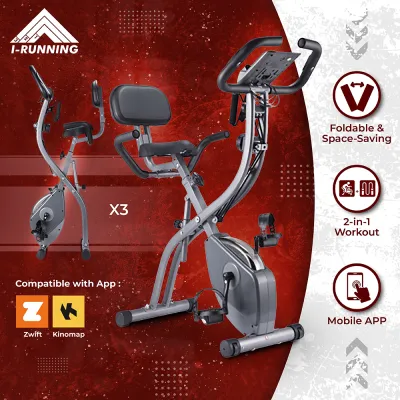
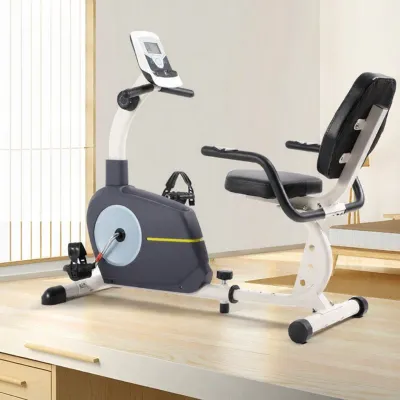
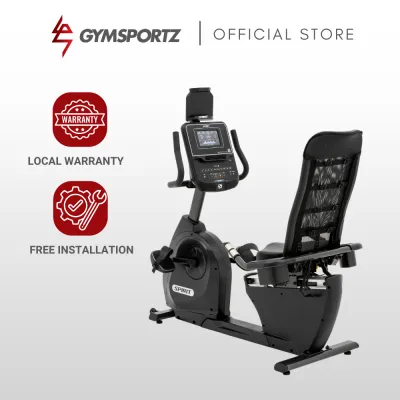
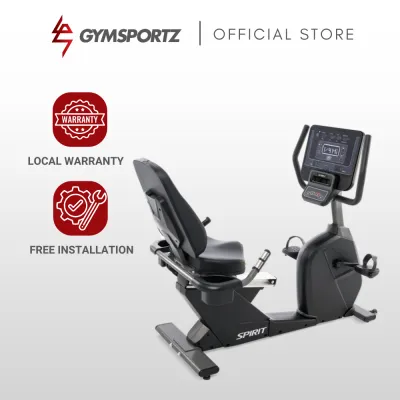
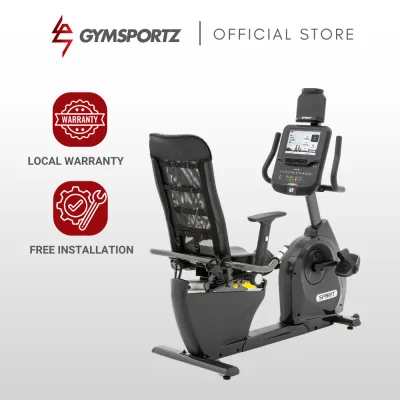
Prices are valid at publication and may change. Please refer to the product page for the latest price.
Adequate clearance is also vital for the machine’s longevity and your personal comfort. If you select a motorized or magnetic resistance model that requires electrical power, the internal components need proper air circulation to prevent overheating. Leaving a buffer of at least 50 cm around the perimeter of the bike ensures unrestricted user movement, allows for proper ventilation, and makes cleaning the surrounding floor area much easier.
Measuring Your HDB Space and Access Routes
To find the ideal spot for your recumbent bike, you must measure the clear floor area of your target room using a physical measuring tape. Do not estimate the space visually. Mark out the prospective footprint on your floor using masking tape to see exactly how much room the bike will occupy. Ensure this marked area does not overlap with main walkways, the swing radius of bedroom or wardrobe doors, or daily activity zones where family members gather.

Getting the bike into your flat is just as important as where it will sit. Measure the width of your main entrance door, bedroom doors, and even the lift lobby doors to ensure the boxed or fully assembled bike can pass through during delivery. Some recumbent bikes are delivered pre-assembled or in large, heavy boxes that require wide clearance to maneuver around tight corners in HDB corridors. If your doorway is narrow, check if the delivery team can assemble the unit directly inside your designated room.
Power management is another crucial detail to verify during your measurements. If your recumbent bike features an electronic console or motorized resistance, it will need to be plugged into a wall outlet. Identify the nearest power source and plan the layout so the power cord runs directly along the wall. Avoid running extension cords across high-traffic areas, as this creates a serious tripping hazard and can damage the cord over time.
Practical Layout Strategies for Compact Flats
Integrating a recumbent bike into a compact HDB layout requires a thoughtful approach to interior design. One of the most effective strategies is utilizing underused corners, alcoves, or multi-purpose spaces. A study, guest bedroom, or a quiet corner of the living room can easily accommodate the bike without disrupting the main living areas. Placing the bike parallel to a wall or tucked into a corner helps minimize its visual impact on the room.
To maintain a cohesive visual flow and avoid a cluttered look, align the bike with your existing furniture. For example, placing the bike parallel to the side of a sofa or aligning it with a bookshelf helps integrate the equipment into the room’s overall structure. Avoid placing the bike in the direct center of a room or perpendicular to major furniture pieces, as this breaks up the visual space and makes the room feel significantly smaller.
If your flat has limited space, look for recumbent bike models equipped with built-in transport wheels. These wheels allow you to tilt the machine slightly and roll it out of the way when it is not in use. You can store the bike against a wall or in a corner during the day, and easily roll it in front of the television or window when you are ready to exercise. This flexibility is highly beneficial for smaller four-room or three-room HDB flats where multi-functional spaces are necessary.
Flooring, Safety, and HDB Compliance Checks
Protecting your home’s interior and maintaining good relations with your neighbors are key aspects of setting up home fitness equipment. Placing a high-density equipment mat beneath your recumbent bike is highly recommended. This mat serves a dual purpose: it protects your HDB tiles, vinyl, or laminate flooring from scratches and indentations caused by the heavy frame, and it helps absorb vibrations and noise. Reducing noise transmission is essential for keeping the peace with neighbors living directly below you.
Safety during workouts depends heavily on the stability of the machine. Ensure the bike is placed on a flat, level floor. Most modern recumbent bikes feature adjustable leveling feet under the stabilizer bars; use these to compensate for any slight unevenness in your flooring. A wobbling or shifting machine not only disrupts your workout but can also cause premature wear on the bike’s internal components and frame.
Finally, you must adhere strictly to local housing and safety regulations. Never place your recumbent bike, or any other personal property, in HDB common corridors, shared stairwells, or lift lobbies. Blocking these areas violates fire safety regulations and can obstruct emergency evacuation routes. Keep your fitness equipment entirely within the private boundaries of your flat to ensure a safe environment for both your household and your neighbors.
Frequently Asked Questions (FAQ)
Can I keep a recumbent bike in the HDB common corridor?
No, you cannot keep a recumbent bike in the HDB common corridor. Common corridors, stairwells, and lift lobbies must remain completely clear at all times to comply with fire safety and emergency evacuation regulations. Placing large fitness equipment in shared spaces poses a serious hazard to your neighbors and emergency responders. All personal exercise equipment must be stored and used strictly inside your private flat.
Do recumbent bikes fold for easier storage?
Most standard recumbent bikes do not fold. Because they are designed with an elongated, heavy-duty frame to provide stable back support and ergonomic seating, they typically feature a fixed structure. If space is highly constrained in your flat, look for compact recumbent models with a shorter overall length or those equipped with built-in transport wheels, which allow you to roll the machine into a corner when it is not in use.

Community discussion
Share your experience or ask a question. Comments are reviewed before publication.