
An auto incline treadmill can easily disturb your downstairs neighbors in a Housing & Development Board (HDB) flat if it is not properly managed. The combination of heavy footstrikes, motor hum, and the mechanical movement of the auto incline system creates both airborne noise and structural vibrations that travel easily through concrete floors.
While you do not have to give up your home cardio goals, understanding how these forces interact with HDB architecture is essential to keeping the peace. By selecting the right equipment features, isolating the machine from the floor, and adjusting your workout habits, you can significantly reduce the risk of receiving noise complaints.
Identifying Noise and Vibration Sources
To address treadmill noise, you must first understand the different sounds your machine makes. The drive motor runs continuously to turn the belt, creating a steady, low-frequency hum. When you adjust the incline, a separate auto incline motor activates, producing a distinct mechanical whine or whirring sound as it lifts the deck.
Products mentioned in this guide
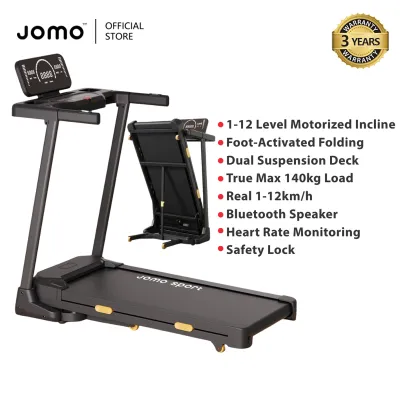

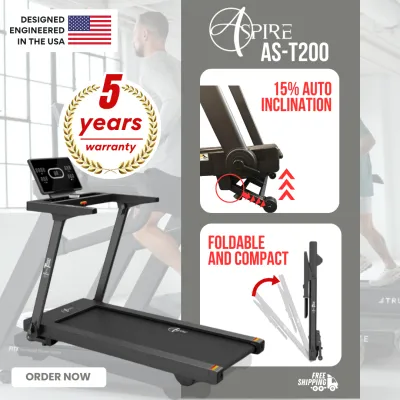
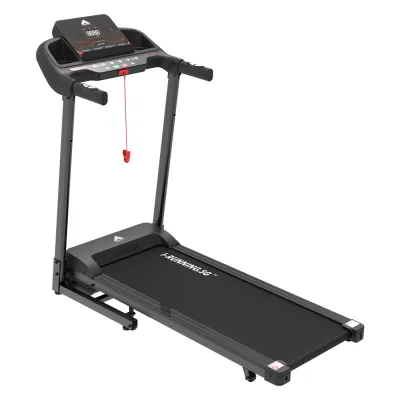
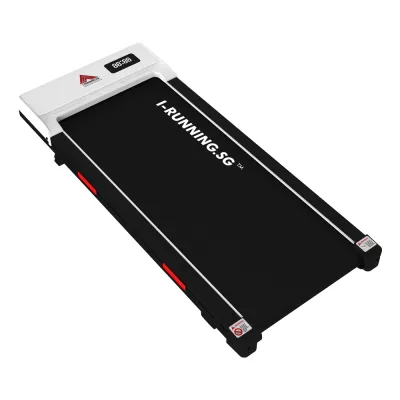

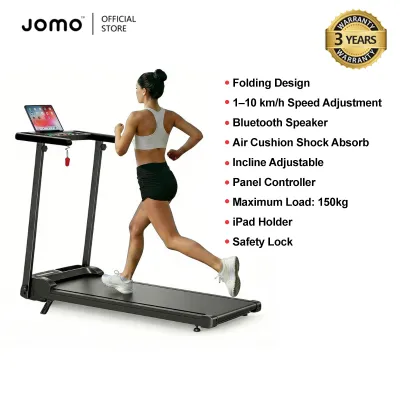
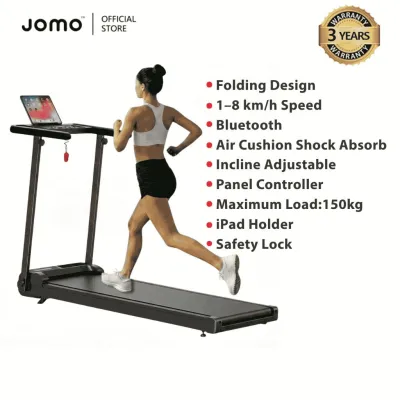
Prices are valid at publication and may change. Please refer to the product page for the latest price.
Footstrike impact is the most common source of neighbor complaints. Every time your foot lands on the deck, it generates a sharp, high-energy impact. This force is much stronger than the steady hum of the motor and is the primary cause of structural disturbance.
Airborne noise, such as the motor whine or your breathing, travels through the air and can be partially blocked by walls and closed doors. However, low-frequency vibrations from your feet hitting the deck travel directly into the solid structure of the building. This structural vibration acts like a drum, radiating sound downward into the ceiling of the flat below.
Be cautious of manufacturer marketing that labels a treadmill as “ultra-quiet.” These claims almost always refer to the drive motor running in isolation without a user on it. They do not account for the heavy impact of a runner’s body weight or the mechanical strain of the auto incline mechanism under load.
Assessing Noise Transmission in HDB Flats
Most HDB flats are constructed with reinforced concrete floor slabs. While concrete is excellent for structural integrity, it is highly efficient at transmitting low-frequency impact sounds. Without proper dampening, the thud of a running stride can easily telegraph through multiple floors.

The layout of your flat plays a major role in how noise is received downstairs. Placing a treadmill directly above a neighbor’s bedroom or study increases the likelihood of disturbance. Additionally, older blocks may transmit sound differently than newer flats due to variations in floor thickness and layout configurations.
Before setting up heavy fitness equipment, it is wise to review building guidelines regarding noise and neighborly behavior. While there is no specific ban on owning a treadmill, residents are expected to keep noise levels reasonable. This is especially important during designated quiet hours, which typically run from 10:30 PM to 7:00 AM.
Evaluating Treadmill Features for Apartment Living
When shopping for an auto incline treadmill, prioritize the deck’s cushioning system over simple motor decibel ratings. Look for shock absorbers, elastomer cushions, or flexible decks designed to compress under impact. These systems help dissipate energy before it reaches the floor.
A heavier treadmill with a wider, sturdier base footprint tends to vibrate less than a lightweight, portable model. The mass of the machine helps anchor it to the ground, reducing the structural rattling that occurs when the frame shifts during a run.
Inspect the auto incline mechanism for smooth, gradual transitions. High-quality incline systems elevate the deck steadily without sudden mechanical clunks, jerks, or excessive motor strain. A smooth transition prevents sharp, sudden vibrations from sending shockwaves through the floor.
Setting Up Your Treadmill to Minimize Floor Vibration
Do not rely on thin yoga mats or cheap foam tiles to protect your floors and quiet your machine. Instead, select a high-density, heavy-duty rubber treadmill mat specifically designed for heavy fitness equipment. Verify that the mat material is compatible with your flooring, whether you have vinyl, parquet, or homogeneous tiles, to prevent staining or slipping.
Place your treadmill in a corner or directly alongside a load-bearing wall or structural column. These areas of the HDB flat are structurally stiffer and vibrate much less than the center of a room. Avoid placing the machine near suspended ceilings or hollow partition walls, which can amplify sound.
Regular maintenance is crucial for keeping mechanical noise to a minimum. Check the belt tension to ensure it is not slipping or rubbing against the side rails, and lubricate the running deck according to the manufacturer’s manual to reduce friction. Periodically tighten all frame bolts and incline joint screws to eliminate secondary rattling.
Adapting Your Workout Routine for Shared Living
Time your high-impact running sessions and frequent auto incline adjustments during hours when neighbors are less likely to be sleeping or resting. Avoid early mornings and late nights, aiming instead for mid-morning or late afternoon windows when ambient neighborhood noise is higher.
You can achieve a high-intensity cardiovascular workout with significantly less noise by walking at a steep incline rather than running on a flat surface. Walking eliminates the airborne flight phase of running, drastically reducing the force of your footstrikes while still challenging your heart rate.
One of the most effective ways to prevent complaints is to speak with your downstairs neighbors before they knock on your door. Let them know you have a treadmill, share your planned workout schedule, and ask them to tell you if the noise becomes disruptive so you can adjust your setup.
Frequently Asked Questions (FAQ)
Do I need a special floor mat for an auto incline treadmill in an HDB?
Yes, a specialized high-density mat is highly recommended to dampen structural vibrations. When choosing a mat, check its density and weight capacity rather than just its thickness, as soft foam mats can compress completely under a heavy treadmill and fail to absorb impact. Ensure the mat does not interfere with the treadmill’s ventilation or void its warranty.
Will walking on a steep incline be quieter than running flat?
Generally, yes. Walking on a steep incline produces far less footstrike impact than running, which significantly lowers the low-frequency vibration transmitted through the concrete floor. However, keep in mind that the auto incline motor will generate a continuous operational hum while maintaining the elevated angle, which may still be audible in a very quiet room.

Community discussion
Share your experience or ask a question. Comments are reviewed before publication.