
An electric pedal exerciser is highly compatible with Singapore’s HDB flats due to its compact size, but fitting one in comfortably requires more than just checking the box dimensions. You must account for the dynamic space your legs occupy while pedaling, the proximity of power outlets, and safe storage paths. By taking a few precise measurements of your favorite seating areas and storage spots, you can ensure your new cardio companion integrates seamlessly into your living space without cluttering your home. Whether you want to stay active while working from home or keep moving while watching television, understanding how these compact machines interact with your specific layout is the key to a successful purchase.
Understanding the Physical Footprint of an Electric Pedal Exerciser
Since there is no single standard size for these devices, you should always check the manufacturer’s specification sheet for the exact length, width, and height before buying. Most models occupy a footprint similar to a small storage box, but the shape of the base frame varies. A wider, flared base offers better lateral stability during motorized operation, preventing the unit from tipping or rocking on uneven surfaces. Consider the weight distribution of the machine; a heavier unit stays anchored on smooth tiles or vinyl flooring but may require a dedicated non-slip mat to protect your floors from scuffs and indentation marks. The pedal path itself adds to the vertical space needed. Some models feature adjustable pedal straps and different crank arm lengths, which alter the overall height of your foot during a rotation. When reviewing specifications, look for the maximum height of the pedal at its peak, rather than just the chassis height. If you plan to move the exerciser daily, prioritize models with ergonomic carry handles or small transport wheels that reduce the physical effort required to transition from storage to active use.
Assessing Your Available Space and Dynamic Clearance
Measuring the static footprint of the device is only the first step in your space assessment. The true space requirement includes the dynamic clearance zone—the area your legs, knees, and feet occupy while the pedals are in motion. As you pedal, your knees rise and your legs extend forward. If you place the unit too close to a wall or under a low table, your knees may strike the underside, or your heels might scrape the floor. To prevent this, measure the distance from your seat to the furthest point of your foot extension. Additionally, leave a safety buffer of at least 30 to 50 centimeters around the unit to ensure adequate airflow for the electric motor, preventing overheating during extended sessions. Your choice of chair also directly impacts the dynamic clearance required. If you use a wheeled office chair, the force of pedaling can push your chair backward, requiring even more space behind you. To prevent this, you may need to budget space for wheel stoppers or a high-grip utility mat that locks both the chair and the exerciser in place.
Products mentioned in this guide
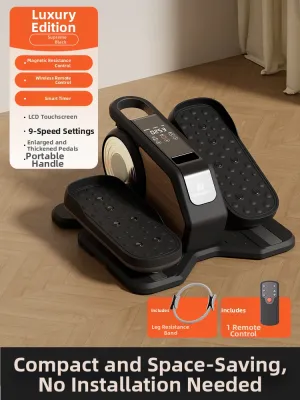
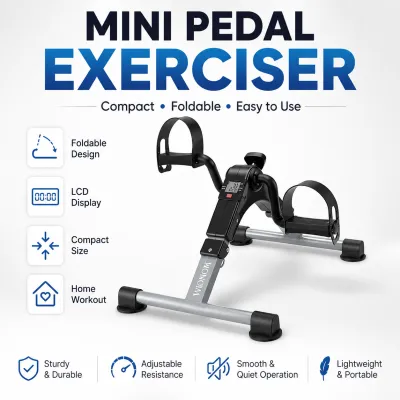
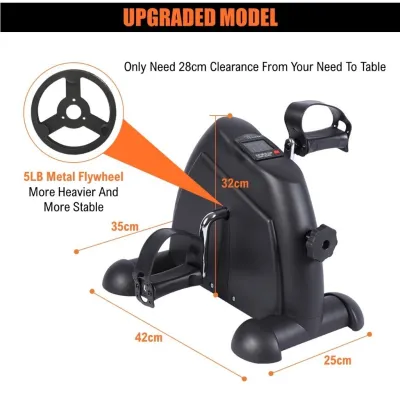
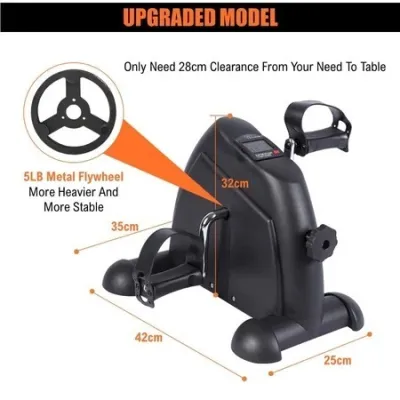
Prices are valid at publication and may change. Please refer to the product page for the latest price.

Evaluating Practical Placement Options in Compact Layouts
In a typical HDB flat, three main areas serve as excellent spots for an electric pedal exerciser. The first is the under-desk setup. If you plan to pedal while working from home, measure the vertical clearance from the floor to the underside of your desk drawer or tabletop. You must subtract the height of the exerciser at its highest pedal rotation point, plus the height of your knees when bent, to ensure you have enough clearance to avoid painful bumps. The second option is in front of your living room sofa or armchair. This setup offers comfortable seating and a natural viewing angle for the television, but you must ensure the device does not obstruct the main walkway. When not in use, the exerciser should be easy to push aside so family members do not trip over it. The third option is bedroom or corner placement. Here, the primary constraint is proximity to a wall power outlet. Electric pedal exercisers require a constant power source to run their motorized assist functions. Ensure the cord can reach the outlet safely without stretching across high-traffic zones, and check that the unit does not block access to wardrobe doors or bed drawers.
Storage Strategies and Cable Management for Small Homes
Keeping your HDB flat tidy requires a clear storage plan for your fitness equipment. Depending on your model’s design, you may be able to slide the unit under a raised sofa, bed frame, or TV console when it is not in use. Measure the clearance height of your furniture legs to see if this low-profile storage method is viable. If your furniture sits flush with the floor, look for a model designed to stand vertically in a utility closet or behind a door. When storing the device vertically, ensure it is placed in a secure corner where it cannot easily be knocked over. Cable management is equally critical for safety and neatness. Avoid leaving the power cord coiled loosely on the floor where it can become a tripping hazard or get damaged by chair wheels. Use cable ties or built-in cord wraps to secure the wire after each session. Always evaluate the length of the manufacturer’s power cord against your planned layout. Relying on long, loose extension cords across a small living room is a safety hazard; it is far safer to position the exerciser close to an existing wall outlet.
Pre-Purchase Measurement Checklist
Before finalizing your purchase, run through a quick checklist to guarantee a perfect fit. First, verify the device’s physical height and compare it to the clearance under your desk or coffee table. Second, measure your seating height; a lower chair requires more forward leg extension, while a higher chair allows for a more vertical pedaling motion. Third, check the manufacturer’s guidelines for maximum user height or inseam limits to ensure the pedal rotation matches your body proportions comfortably. Fourth, map out the path to your nearest power outlet to confirm the cord length is sufficient. Finally, review the retailer’s return and exchange policy. Because fitness equipment can be bulky and heavy, returning an item that does not fit your space can incur high shipping fees or restocking charges. Confirming these details beforehand ensures your electric pedal exerciser becomes a seamless, highly utilized addition to your active lifestyle.

Community discussion
Share your experience or ask a question. Comments are reviewed before publication.