
For many beginner tennis players, selecting the right equipment goes far beyond choosing a racket and a can of balls. The point of contact between your hand and the racket—the grip—plays a fundamental role in how comfortable, controlled, and confident you feel on the court. A tacky overgrip like the Wilson Pro Overgrip is often recommended as an excellent starting point for beginners because it provides immediate slip resistance and a secure feel without adding significant bulk to the handle. However, whether this specific model is the right choice for you depends on several personal factors, including your hand size, sweat levels, and typical playing conditions.
An overgrip is a thin, protective tape wrapped over the racket’s thicker base grip. Its primary purpose is to absorb moisture, provide traction, and offer a customizable layer of cushioning. For a beginner, a reliable overgrip acts as a critical interface that helps prevent the racket from twisting during off-center hits, which are common when learning the game. By understanding your physical needs and how different grip materials behave, you can make an informed decision that supports your development and prevents common hand injuries.
Identifying Your Grip Challenges as a Beginner
Before evaluating any specific product, you must first identify your personal physical requirements and the typical conditions in which you play. One of the most important factors to assess is your sweat level. Some players experience minimal hand moisture, while others find their palms sweating heavily within minutes of starting a warm-up. If you play in a hot, humid climate, moisture management becomes a primary concern, as sweat can quickly turn a smooth grip into a slippery surface, causing the racket to twist in your hand during contact.
Products mentioned in this guide
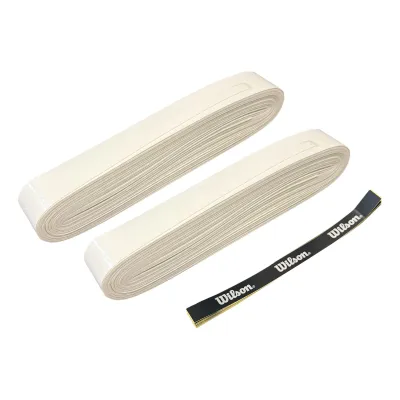
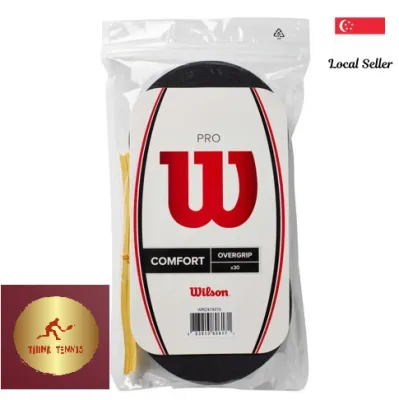
![Wilson Pro Overgrip Perforated [Suitable for tennis badminton pickleball padel]](https://img.lazcdn.com/g/p/948efaeebcfcd9666ff027b8536e59b9.jpg_400x400q80.jpg_.webp)
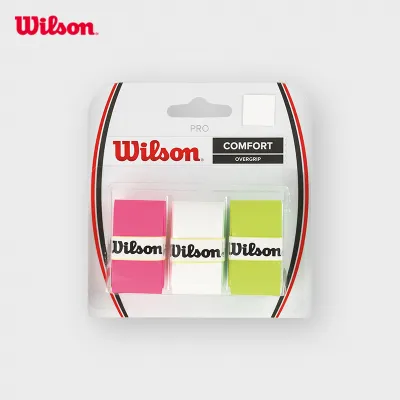
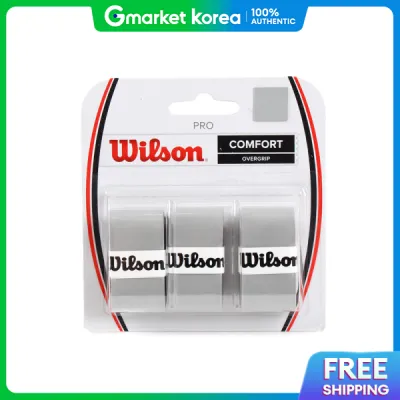
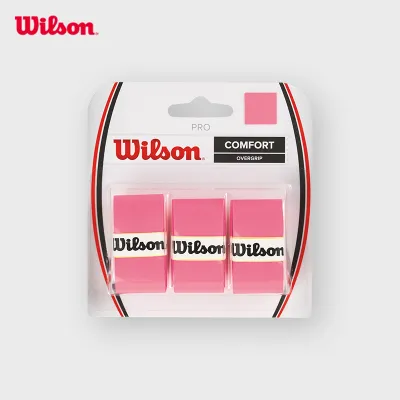
Prices are valid at publication and may change. Please refer to the product page for the latest price.
Another common challenge for beginners is grip pressure. New players often hold the racket too tightly, a habit known as the “death grip.” This excessive tension not only leads to rapid hand fatigue and forearm strain but also increases the risk of developing painful blisters and skin irritation. A suitable overgrip should provide enough friction and tackiness that you can maintain a secure hold with a relaxed hand, allowing for fluid wrist movement and better control over your shots.
Finally, you need to determine your preferred balance between direct racket feedback and handle cushioning. The racket handle consists of eight distinct flat surfaces, called bevels, which help you feel the orientation of the racket face without looking at it. A very thick, highly cushioned grip can mute this feedback, making it difficult to learn correct grip transitions, such as moving from a forehand to a backhand grip. Conversely, a grip that is too thin might not absorb enough shock, leading to discomfort if you regularly hit balls outside the sweet spot.
Does Wilson Pro Overgrip Match Your Needs?
To determine if the Wilson Pro Overgrip is the right match for your playing style, start by checking the product packaging and specifications. This model is widely categorized as a tacky overgrip, meaning it is designed to offer a clean, slightly sticky feel that adheres well to the skin. When inspecting the packaging, look for indicators of thickness; this overgrip typically measures around 0.6 millimeters, which is thin enough to preserve the feel of the racket bevels while adding a subtle layer of comfort.

During a trial practice session, observe how the material responds to your hand. A tacky overgrip should feel secure the moment you wrap your fingers around the handle, giving you the confidence to swing freely without fearing the racket will slip. Pay close attention to how the surface handles initial moisture; for players with light to moderate sweat, the polyurethane surface is designed to maintain its tackiness by preventing minor moisture from lubricating the grip.
Evaluate how this tactile feedback influences your overall confidence on the court. If you feel that you can hold the racket with a relaxed forearm and still maintain complete control during contact, the overgrip is performing its primary job. However, if you find yourself constantly adjusting your hand or squeezing harder to prevent slipping, it is a sign that the material properties may not align with your physiological needs or playing style.
When to Look for an Alternative Overgrip
While a tacky overgrip is highly popular, it is not a universal solution for every tennis player. You should consider looking for an alternative if you notice rapid wear or a premature loss of tackiness. In high-humidity environments or during intense training sessions, heavy sweat can saturate a tacky polyurethane surface, causing it to lose its grip and feel slick. If you find your hand slipping constantly despite using a fresh wrap, you likely need to transition to a dry, ultra-absorbent overgrip instead.
Another indicator that you need an alternative is persistent hand discomfort or a lack of shock absorption. If you suffer from joint sensitivity or find that the impact of the ball causes discomfort in your hand and wrist, a standard thin overgrip may not provide sufficient dampening. In this scenario, you should look for thicker, cushioned overgrips or even consider replacing your underlying base grip with a gel-infused or textured alternative to better absorb vibrations.
Exploring alternative categories is a natural part of finding your ideal setup. If tacky grips fail to meet your needs, dry-feel overgrips—which often have a texture similar to a suede chamois—are excellent for heavy sweaters because they become grippier as they absorb moisture. Alternatively, textured or perforated overgrips feature physical ridges or holes that assist with airflow and mechanical traction, offering a different tactile sensation that some beginners prefer.
Proper Application and Care for Longevity
To get the best performance and safety out of your overgrip, proper installation is essential. Begin by removing the plastic protective film from the shiny side of the overgrip, as this is the side that should face outward. Start wrapping at the butt cap of the racket, securing the tapered end with the small adhesive strip provided. Maintain consistent tension as you wrap upward, overlapping each layer by approximately one-sixteenth to one-eighth of an inch to ensure even coverage without creating bulky ridges.
As you reach the top of the handle near the racket throat, cut any excess material at an angle to create a clean, straight edge. Secure the end firmly using the included finishing tape, wrapping it tightly around the top of the grip to prevent it from unravelling during play. A poorly wrapped grip can slip or bunch up, which not only ruins the tactile feel but can also cause distractions or hand irritation during a match.
To maximize the lifespan of your overgrip, perform quick visual and tactile checks after each session. Look for signs of fraying, discoloration, or areas where the polyurethane coating has worn down to the fabric backing. Additionally, store your racket in a cool, dry place inside a dedicated bag; exposing the racket to extreme heat, such as leaving it in a car trunk, can dry out the adhesive and degrade the polyurethane material, causing it to lose its tackiness prematurely.
Frequently Asked Questions (FAQ)
How often should a beginner change their overgrip?
A beginner should typically change their overgrip every six to ten hours of play, though this frequency depends heavily on individual sweat levels and playing conditions. You can easily identify when a replacement is necessary by checking for visual and tactile cues. If the surface looks dirty, discolored, or frayed, or if it feels dry and slick rather than tacky, it is time to apply a fresh wrap. Playing with a worn-out grip forces you to squeeze the racket harder, which can lead to hand fatigue and poor technique.
Can I apply an overgrip directly over a worn-out base grip?
You should not apply an overgrip over a severely worn-out base grip, as this compromises both safety and comfort. Before wrapping, inspect the underlying base grip for signs of crumbling, deep indentations, or hardening. An overgrip is designed to provide surface tack and minor moisture absorption, but it cannot restore the structural cushioning or bevel definition of a degraded base grip. If the base grip is flat or disintegrating, you must replace it entirely before adding an overgrip to ensure a secure and comfortable hold.

Community discussion
Share your experience or ask a question. Comments are reviewed before publication.