
Adding resistance to your workouts does not always require holding heavy dumbbells or kettlebells. Wrist weights offer a hands-free alternative that can elevate your heart rate, increase muscular endurance, and add a subtle challenge to your daily movements. However, selecting the wrong pair can lead to joint strain, altered posture, or skin irritation.
To find the best wrist weights, you must align the weight load and physical design with your current joint strength, movement speed, and fitness goals. Beginners should start with ultra-light, soft-fabric weights (0.5 kg or less) to protect delicate wrist joints, while intermediate users benefit from adjustable silicone or neoprene bands (0.5 kg to 1 kg) for dynamic workouts. Advanced fitness enthusiasts can utilize heavier modular systems (1 kg to 2 kg or more) with secure, non-slip fastening mechanisms designed for high-velocity movements.
Quick Guide to Choosing Wrist Weights by Fitness Level
Matching your wrist weights to your current physical conditioning is essential for preventing injury and maximizing the effectiveness of your training. Each fitness stage requires a different balance of weight, material flexibility, and structural support.
Products mentioned in this guide
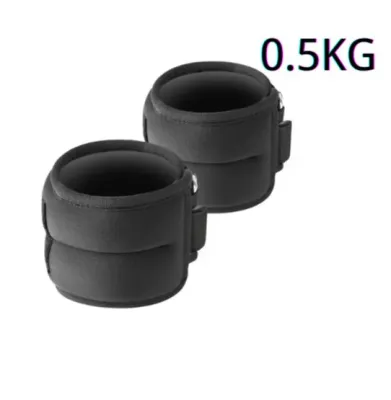
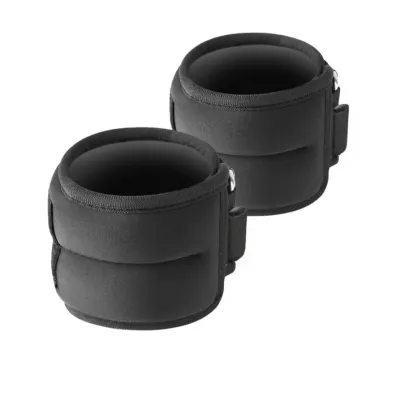
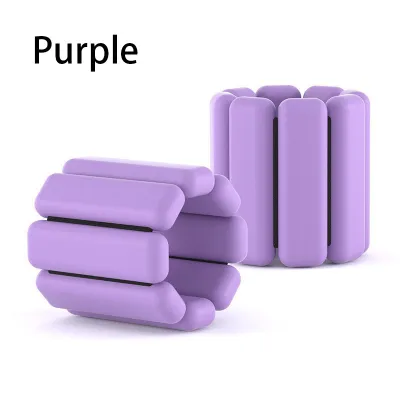
![🇸🇬 [In Stock]Ankle Wrist Weights[1Pair/2LB]Silicone Adjustable Weight Sports Wristbands Exercise Gravity Belt Wrist Band](https://img.lazcdn.com/g/p/3e2fdd93670e08f6e0db68b84995b622.jpg_400x400q80.jpg_.webp)
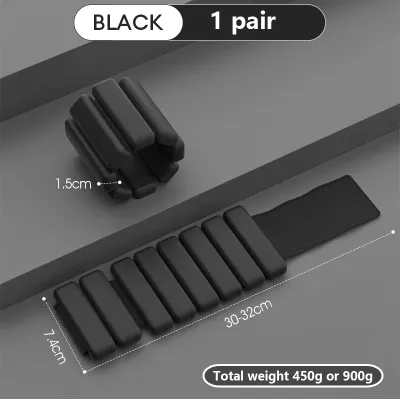
Prices are valid at publication and may change. Please refer to the product page for the latest price.
For beginners, the primary training goal is form mastery and joint conditioning. At this stage, you want ultra-lightweight options that blend seamlessly into your natural movements without causing fatigue in your shoulders or elbows.
As you transition to the intermediate level, your focus shifts to building muscular endurance and introducing progressive overload. This stage requires more versatile designs, such as modular or adjustable weights, which allow you to increase the load incrementally as your strength improves.
Advanced users require maximum wearable resistance to challenge highly conditioned muscles during intense, specialized workouts. These weights feature robust fastening systems and heavy-duty materials to withstand high-velocity movements and complex training patterns.
Regardless of your experience, the core selection rule remains the same: never sacrifice joint comfort, skin integrity, or natural movement mechanics for heavier loads. A weight that causes you to alter your posture or swing your body to complete a movement is too heavy and should be scaled down immediately.
Why Your Fitness Level Dictates Your Wrist Weight Choice
The human body is highly adaptable, but adding resistance to the very end of your limbs introduces unique biomechanical challenges. Understanding how distal loading affects your joints is crucial when choosing your wrist weights.

When you place a weight on your wrist, you are adding resistance far from your body’s center of mass. This distal load increases the lever arm of your arm movements, which significantly multiplies the torque and stress placed on your wrist, elbow, and shoulder joints.
If you introduce too much weight before your tendons and ligaments have adapted, you run a high risk of premature overloading. This can lead to repetitive strain injuries, such as tendonitis in the elbow or rotator cuff irritation in the shoulder.
Furthermore, carrying excessive weight on your wrists can easily alter your natural movement patterns. For example, during a walking workout, a weight that is too heavy might cause you to tense your shoulders, arch your lower back, or restrict your natural arm swing, leading to poor posture and muscle imbalances.
There is also a functional difference between using wrist weights for cardiovascular enhancement versus targeted muscular endurance. Cardiovascular workouts, like walking or dance cardio, require lighter weights to protect joints from repetitive impact, while slow, controlled strength movements can handle slightly heavier, more focused loads.
How to Assess Your Current Fitness Baseline
Before purchasing a pair of wrist weights, it is important to objectively evaluate your current conditioning and joint readiness. This self-assessment ensures you select a weight tier that supports your goals without risking injury.
To test your baseline strength, try performing a continuous three-minute bodyweight arm circuit, including lateral raises, arm circles, and overhead presses, without stopping. If you can complete the circuit with perfect posture and zero joint fatigue or shoulder shrugging, your upper body is ready for light resistance.
The transition between fitness tiers should be guided by your movement control and recovery capacity. If you can complete your workouts with your current wrist weights and experience no joint stiffness, clicking, or muscle soreness lasting more than 24 hours, you are ready to progress to the next level.
Conversely, you must be willing to scale back to a lighter tier if you notice any signs of form breakdown. If you find yourself shrugging your shoulders to lift your arms, or if you experience persistent stiffness in your elbows or wrists after training, it is a clear signal to reduce the weight.
Beginner Selection: Prioritizing Form and Light Resistance
For women who are just starting to incorporate wearable resistance into their fitness routines, the primary objective is to build joint resilience while maintaining flawless movement mechanics.
At this stage, you should prioritize ultra-lightweight options, typically ranging from 0.25 kg to 0.5 kg. These light loads provide a subtle sensory cue that engages your muscles without disrupting your natural arm swing, walking gait, or basic exercise form.
The physical design of beginner weights should focus heavily on comfort and ease of use. Look for soft, breathable materials like high-quality neoprene or padded fabric sleeves that cushion the delicate bones of the wrist.
Simple and secure fastening systems, such as wide hook-and-loop straps, are essential for beginners. These straps allow you to adjust the tightness easily, ensuring the weights stay snug against your skin without chafing or sliding during repetitive motions.
Beginner wrist weights are best suited for low-impact, steady-state activities. Incorporating them into daily walks, light Pilates sessions, gentle yoga, or basic mobility work helps prepare your connective tissues for heavier loads in the future.
Intermediate Selection: Building Endurance and Adding Load
Once your joints have adapted to light resistance, you can transition to intermediate wrist weights to focus on building muscular endurance and toning the upper body.
At this level, your selection should shift toward slightly heavier options, generally between 0.5 kg and 1 kg. To avoid the need to purchase multiple pairs of weights as you progress, look for adjustable or modular designs that allow you to add or remove weight increments.
Ergonomic shaping is incredibly important at the intermediate stage. Look for designs that distribute the weight evenly around the entire circumference of your wrist, rather than bunching the load on one side, which can cause localized tendon strain.
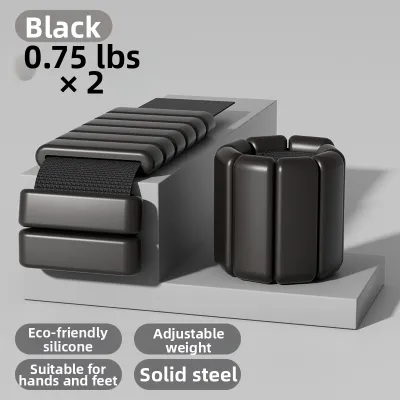
Materials like silicone-coated steel bands are highly popular for intermediate workouts. These designs offer a sleek, modern aesthetic, are completely waterproof, and grip the skin gently to prevent sliding during dynamic movements.
Suitable training modalities for intermediate weights include barre classes, dance cardio, step aerobics, and intermediate bodyweight circuits. These workouts involve rapid changes of direction, making a secure, non-slip fit absolutely vital.
Advanced Selection: Maximizing Intensity and Specialized Movements
Highly conditioned users who want to maximize their workout intensity require specialized wrist weights designed to handle heavy loads and high-velocity movements.
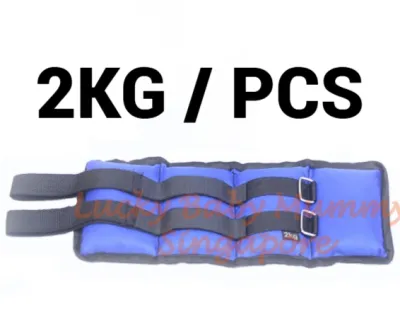
Advanced wrist weights typically range from 1 kg to 2 kg or more. Because these heavier loads place significant stress on the body, the weights must feature robust, heavy-duty fastening mechanisms, such as double-locking hook-and-loop straps or reinforced buckle systems, to prevent slipping.
Customizable weight inserts or modular pockets are highly beneficial at this stage. These features allow you to fine-tune the load based on the specific exercise you are performing, using heavier weights for slow, controlled movements and lighter loads for faster drills.
When training with advanced wrist weights, strict form monitoring is non-negotiable. You must ensure your core is fully engaged and your shoulders remain relaxed and down, away from your ears, to prevent neck strain.
Additionally, advanced users should incorporate adequate joint preparation, such as wrist mobility drills, before every workout. It is also wise to schedule structured deload periods—weeks where you train with lighter weights or bodyweight alone—to allow your joints and tendons time to recover and rebuild.
Essential Design Features to Check Before You Buy
When shopping for wrist weights online or in-store, evaluating the physical construction of the product is just as important as choosing the right weight. Paying attention to key design features will ensure your weights are durable, comfortable, and safe to use.
Fastening Systems The fastening mechanism is the most critical safety feature of any wrist weight. Look for wide, medical-grade hook-and-loop closures that offer a large surface area for secure attachment. For high-intensity workouts, silicone bands with internal stainless steel clasps provide an exceptionally secure grip that will not come undone during rapid arm movements.
Outer Materials The outer material determines how the weight feels against your skin and how easy it is to maintain. Neoprene is soft and flexible, making it highly comfortable, but it tends to absorb sweat and requires regular hand-washing. Silicone is completely waterproof, hypoallergenic, and easy to wipe clean, making it an excellent choice for humid climates like Singapore. Canvas is incredibly durable and resistant to wear, but it can feel abrasive against sensitive skin if not padded properly.
Weight Distribution A well-designed wrist weight should sit flush against your wrist without sliding down toward your hand or shifting during overhead movements. Look for segmented designs, where the weight is divided into smaller, individual pockets or bars. This allows the band to wrap naturally around the contours of your wrist, ensuring even weight distribution and preventing painful pressure points on your wrist bones.
Safety Checks and Usage Boundaries
To enjoy the benefits of wrist weights without risking injury, you must establish clear safety protocols and listen closely to your body’s signals during every workout.
Before you begin exercising, always perform a quick pre-workout check. Ensure the straps are fastened securely but not so tightly that they restrict your circulation or pinch your skin. Check the weights for any signs of wear, such as frayed stitching or weakened velcro, which could cause the weight to fly off during a movement.
You must establish clear stopping conditions for your workouts. Immediately remove the wrist weights if you experience any of the following symptoms:
- Sharp, sudden pain in your wrists, elbows, or shoulders.
- Numbness, tingling, or a "pins and needles" sensation in your hands or fingers, which indicates nerve compression.
- An inability to maintain proper posture, such as shrugging your shoulders or arching your lower back to lift your arms.
- Excessive joint clicking or popping accompanied by discomfort.
If you experience persistent joint discomfort or muscle pain that does not resolve after a few days of rest, stop using the weights and consult a physical therapist or a qualified fitness professional. They can evaluate your movement mechanics and help you determine if wrist weights are appropriate for your current physical condition.
Frequently Asked Questions (FAQ)
Can I use ankle weights on my wrists instead of buying specific wrist weights?
Ankle weights are designed specifically for the larger circumference and bone structure of the lower leg. Using them on your wrists is generally not recommended because they are typically too bulky and loose, which causes them to slide up and down your arm during exercise. This constant movement shifts the center of gravity unpredictably, placing unnecessary strain on the delicate tendons and ligaments of your wrist joint. Furthermore, attempting to tighten a large ankle weight to fit a smaller wrist can restrict blood flow or compress the nerves in your arm, leading to numbness and discomfort. To ensure a safe, comfortable, and effective workout, it is always best to invest in equipment specifically engineered for wrist biomechanics.
How do I clean and maintain my wrist weights after sweaty workouts?
Proper maintenance is essential for extending the lifespan of your wrist weights and preventing the buildup of odor and bacteria. For silicone wrist weights, the cleaning process is simple: wipe them down with a damp cloth and mild soap, or rinse them under cool water, then dry them with a clean towel. For neoprene or fabric weights, hand-wash them in cold water using a mild, gentle detergent, taking care not to wring or twist the material, which can damage the internal weight pockets. Always allow your weights to air-dry completely in a well-ventilated area away from direct sunlight and heat sources. Never place wrist weights in a washing machine or tumble dryer unless the manufacturer’s care label explicitly states it is safe to do so, as high heat and agitation can degrade the elastic fibers and adhesive backings.

Community discussion
Share your experience or ask a question. Comments are reviewed before publication.