
Deciding whether to invest in a YETI sports water bottle over competing brands comes down to how its heavy-duty insulation and rugged build align with your specific workout environment. There is no universal winner in the sports bottle market because temperature retention depends heavily on bottle capacity, lid design, and how often you open the bottle during exercise. For some athletes, a highly durable, heavily insulated bottle is an essential tool for keeping drinks cold during long outdoor training sessions. For others, the added weight of premium stainless steel can be a distinct disadvantage during high-mobility workouts.
Evaluating YETI against other brands requires looking past marketing claims and focusing on structural specifications, weight trade-offs, and lid mechanisms. This guide provides a practical framework to help you analyze thermal performance, assess physical ergonomics, and determine if a premium price tag delivers genuine value for your athletic routine.
Understanding YETI's Insulation Technology and Build
To understand how YETI compares to other sports bottles, you must first look at the engineering behind double-wall vacuum insulation. This construction uses two walls of stainless steel with the air evacuated from the space between them. Because a vacuum contains no air molecules, it prevents heat transfer by conduction and convection. This design is the industry standard for premium thermal performance, keeping cold liquids cold and hot liquids hot by isolating the contents from the external environment.
Products mentioned in this guide
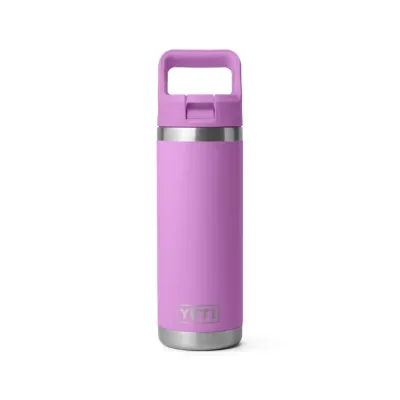
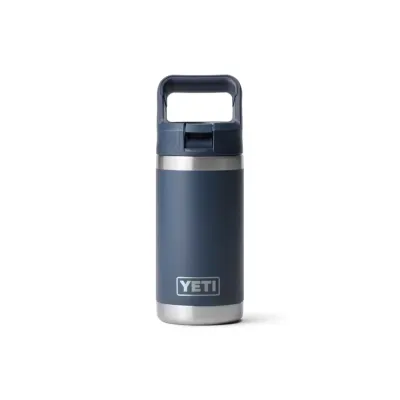
Prices are valid at publication and may change. Please refer to the product page for the latest price.
When shopping for a sports bottle, always check the product labels or manufacturer specifications for the specific grade of stainless steel used. Premium brands typically use 18/8 food-grade stainless steel, which consists of 18% chromium and 8% nickel. This material is highly resistant to punctures, rust, and flavor retention, ensuring your water does not take on a metallic taste over time. However, the thickness of the steel walls varies significantly between brands, directly impacting both durability and weight.
This structural difference introduces a clear trade-off between ruggedness and portability. YETI bottles are engineered with a thicker steel gauge than many lightweight competitors, making them exceptionally resistant to dents and drops on hard surfaces like gym floors or rocky trails. The cost of this durability is physical weight. A heavier bottle requires more effort to carry on long runs or hikes, meaning you must decide whether drop resistance or lightweight comfort is your primary priority.
Key Dimensions for Comparing Sports Water Bottles
When comparing YETI to other sports water bottle brands, evaluating performance across several key dimensions will help you find the right fit for your activities.

Temperature Retention
While manufacturers publish estimated cold and hot retention hours, these figures are typically measured under controlled laboratory conditions with the bottle sealed. In real-world sports scenarios, actual performance varies based on how often you open the lid, the ratio of ice to liquid, and the ambient temperature. In hot and humid climates, such as outdoor workouts in Singapore, heat transfer occurs more rapidly, particularly through the non-insulated plastic lid. To maximize cold retention during long workouts, look for bottles that accommodate large ice cubes and feature insulated cap options.
Weight and Ergonomics
An insulated bottle’s weight can significantly affect your athletic performance depending on your sport. For high-intensity cardio, running, or fast-packing, every gram matters, and a heavy stainless steel bottle may feel cumbersome. Ergonomics also play a vital role in how easily you can hydrate mid-workout. Consider the bottle’s outer diameter and grip texture; some bottles feature a powder-coated exterior that provides a secure, non-slip grip even when your hands are sweaty, while others are too wide to fit into standard bicycle bottle cages or treadmill cup holders.
Durability and Leak Prevention
Sports bottles are frequently subjected to drops, tosses, and outdoor elements. A high-quality bottle must feature a robust lid mechanism that prevents leaks when jostled inside a gym bag. Examine the design of the silicone gaskets and seals, as these are the most common failure points for leak prevention. Additionally, check if the manufacturer sells replacement gaskets and lids separately; being able to replace a worn seal prolongs the lifespan of your bottle without requiring you to purchase an entirely new container.
Evaluating the Premium Price: When to Choose YETI
Investing a premium sum, such as S$50 or more, on a single water bottle requires assessing whether the specialized features align with your daily habits.
Choose YETI if:
- You prioritize extreme physical durability: If your sports routine involves rugged outdoor environments, concrete surfaces, or activities where your gear is likely to be dropped and battered, the thicker steel construction offers excellent structural integrity.
- You require long-duration cold retention in high heat: If you train outdoors for several hours in direct sunlight and need your water to remain ice-cold from start to finish, the robust vacuum seal performs reliably under thermal stress.
- You value long-term manufacturer support: The brand offers robust warranty terms against manufacturing defects and vacuum failures, providing peace of mind for a high-value purchase.
Choose Alternatives if:
- You need ultra-lightweight gear: For long-distance running, cycling, or backpacking, lightweight single-wall steel, aluminum, or specialized flexible plastic bottles are far more practical than heavy double-wall insulated options.
- You prefer high-flow sports caps: If you prefer quick-access squeeze valves or integrated soft bite-valves that allow you to drink rapidly without tilting your head, other brands specializing in athletic lid designs may suit you better.
- You are working within a strict budget: If your workouts are primarily indoors or last under an hour, a standard, budget-friendly insulated bottle will easily keep your water cool enough for the duration of your session.
Verify First if:
- You plan to swap accessory lids: Insulation performance and leak resistance vary significantly depending on the lid you use. A solid, fully insulated cap will always retain temperature better than a straw lid or a quick-chug cap, which introduce thinner plastic barriers where heat can escape.
How to Verify Insulation Claims Before You Buy
Before purchasing any premium sports bottle, take practical steps to validate the manufacturer’s claims and protect your investment.
First, cross-reference official specifications with independent user reviews. Look specifically for feedback from athletes who use the bottle in similar climates and sports. Pay attention to comments regarding how well the bottle maintains temperature during outdoor use and whether the lid mechanism remains leak-proof over months of constant opening and closing.
Second, carefully read the manufacturer’s warranty policy. A reputable brand should explicitly cover the loss of vacuum insulation. If a bottle begins to sweat on the outside or fails to keep drinks cold without any visible external damage, this indicates a failure in the vacuum seal, which should be eligible for a warranty replacement.
Finally, inspect the bottle’s physical authenticity if buying from third-party online marketplaces or unauthorized retailers. Counterfeit bottles are common on major ecommerce platforms and often use thinner, lower-grade steel that fails to provide proper insulation. Check for crisp, aligned logo engravings, smooth thread alignment on the lid, and a weight that matches the official manufacturer specifications.
Frequently Asked Questions (FAQ)
Can I put YETI sports bottles in the dishwasher?
You should always check the specific care instructions provided by the manufacturer for your exact model. While many modern premium stainless steel bottles and their powder coatings are labeled as dishwasher-safe, the extreme heat and harsh detergents of a dishwasher cycle can gradually degrade the rubber gaskets and seals over time. If you want to maximize the lifespan of the vacuum seal and keep the exterior finish looking pristine, hand-washing with warm, soapy water and a bottle brush is highly recommended.
Does sweating occur on the outside of YETI bottles during humid workouts?
A properly functioning double-wall vacuum insulated bottle should never sweat or form condensation on its outer stainless steel surface, even during highly humid workouts. The vacuum layer prevents the cold temperature of the inner wall from transferring to the outer wall. If you notice condensation forming on the body of your bottle, it is a strong indicator that the vacuum seal has failed due to a manufacturing defect or a severe drop, and you should contact the manufacturer regarding a warranty claim.

Community discussion
Share your experience or ask a question. Comments are reviewed before publication.