
Choosing between a yoga band, a foam roller, and a massage gun depends entirely on your immediate recovery goals, physical condition, and budget. While all three tools aim to alleviate post-workout stiffness and restore movement, they target different physiological mechanisms. A yoga band excels at lengthening tight muscles and improving joint mobility through controlled, active stretching. A foam roller uses your own body weight to roll out broad areas of muscle tension, promoting circulation across large muscle groups. A massage gun delivers rapid, localized percussive pulses to break up deep, stubborn knots in specific areas. Understanding how these tools function allows you to build a highly effective, personalized recovery routine that matches your daily physical demands.
How Yoga Bands, Foam Rollers, and Massage Guns Actually Work
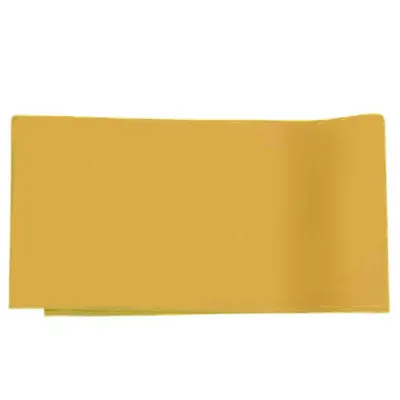
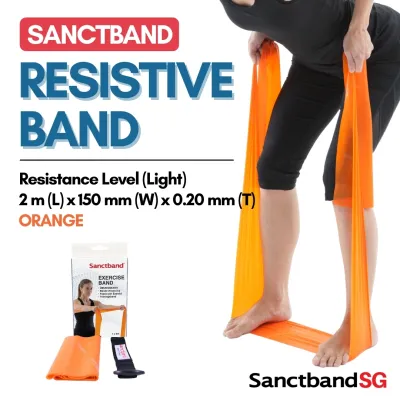
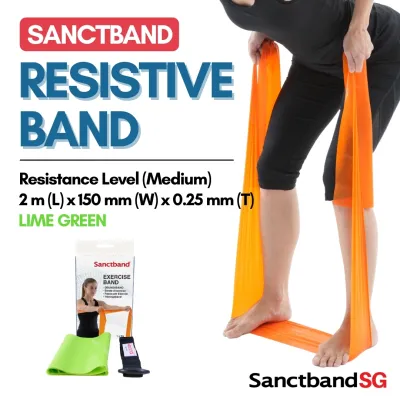
Yoga bands facilitate stretching by acting as an extension of your limbs. Looping a band around your foot or hand allows you to pull your limbs into deeper angles without straining your neck or back. This mechanical advantage helps relax the target muscle group, making it easier to increase your passive range of motion. You can manually adjust the tension to match your flexibility level without relying on gravity.
Foam rollers operate on the principle of self-myofascial release. Placing a muscle group over the roller and using your body weight to glide back and forth applies direct pressure to the skeletal muscle and surrounding connective tissue. This pressure helps to temporarily reduce tissue tension, break up minor adhesions, and stimulate local blood circulation. The broad surface area of the roller distributes this pressure across entire muscle groups, making it an excellent tool for general tissue mobilization.
Products mentioned in this guide
![[RECEIVE IN 3 DAYS] Looped Resistance Exercise Yoga Bands](https://img.lazcdn.com/g/p/478c71011ff76f1dc2636e7c42012a8d.jpg_400x400q80.jpg_.webp)
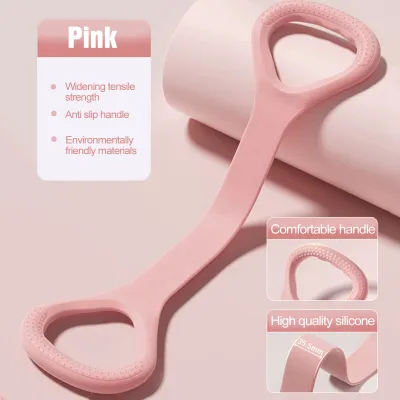
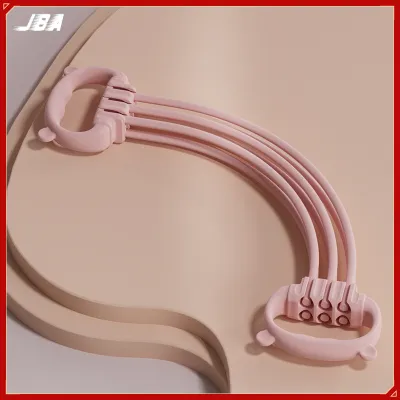
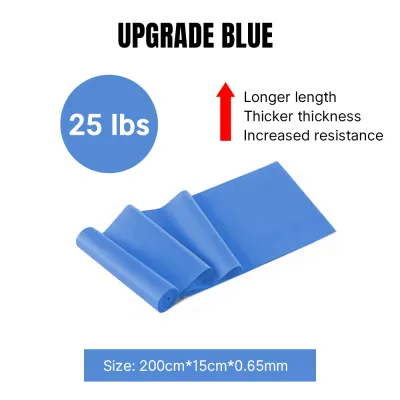
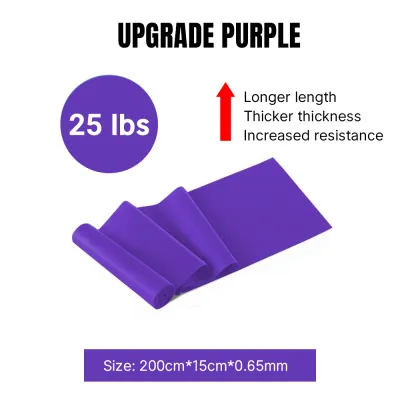
Prices are valid at publication and may change. Please refer to the product page for the latest price.
Massage guns utilize a motorized mechanism to deliver rapid, repetitive strokes to the muscle tissue. This high-frequency pulsing action creates a rapid cycle of compression and release, which desensitizes local pain receptors and increases blood flow to the targeted area. Unlike the broad pressure of a foam roller, a massage gun concentrates its force onto a very small, specific point. This localized action allows you to target deep-seated muscle knots and trigger points that are otherwise difficult to reach with body weight alone.
Matching the Right Tool to Your Specific Recovery Goals
If your primary objective is to improve long-term flexibility, correct postural imbalances, or perform a thorough post-workout cool-down, the yoga band is your most effective option. Stretching with a band allows you to hold positions longer and with better alignment, which is crucial for lengthening muscle fibers and improving joint mobility. This makes it highly beneficial for runners looking to open up tight hamstrings or office workers aiming to relieve tension in the hip flexors after hours of sitting.

For general muscle soreness, overall stiffness, and broad-spectrum recovery, the foam roller is the traditional go-to tool. It is particularly effective for treating large muscle groups such as the quadriceps, hamstrings, calves, and upper back. By rolling these expansive areas, you can address widespread tightness that accumulates from high-volume training, such as long-distance running or heavy lifting. The rolling motion also helps flush metabolic waste from the tissues, accelerating the overall recovery process.
When you are dealing with highly localized pain, stubborn muscle knots, or need to quickly activate muscles before a workout, the massage gun becomes the preferred choice. The percussive strokes can rapidly relieve tension in specific spots, such as the glutes, traps, or the soles of the feet. Because it does not require you to hold challenging physical positions, you can easily apply targeted relief to a single spot while sitting comfortably on a chair or sofa.
Practical Considerations: Portability, Budget, and Ease of Use
Financial investment and ongoing maintenance vary significantly across these three options. Yoga bands are highly economical, typically costing between S$10 and S$30, and require virtually no maintenance other than occasional cleaning. Foam rollers are also budget-friendly, generally ranging from S$20 to S$60 depending on the density and surface texture, and they last for years without wearing out. Massage guns represent a much higher financial commitment, with prices starting around S$50 for basic models and climbing well over S$300 for premium, high-torque devices. They also require regular battery charging and have electronic components that may eventually wear out or require replacement.
Portability is another crucial factor if you frequently exercise away from home, travel, or commute to a local gym. Yoga bands are exceptionally lightweight and can be folded flat, making them easy to slip into any backpack, handbag, or suitcase without adding bulk. Foam rollers, while lightweight, are bulky and awkward to transport, often requiring a dedicated strap or a large gym bag. Massage guns are compact but relatively heavy due to their internal motors and batteries; they also require you to carry charging cables and various attachment heads, which can add weight to your gear.
The physical effort required to operate each tool can influence how consistently you use them. Using a foam roller is an active process that requires you to support your own body weight on your hands, elbows, or core while rolling. This can feel exhausting after an intense workout and may be difficult for individuals with limited upper body strength or joint pain. In contrast, a massage gun is relatively passive, requiring only enough hand strength to hold the device against the target muscle. Yoga bands require a moderate level of active participation and proper technique to ensure you are stretching safely and effectively.
Decision Framework: Which Recovery Tool Should You Choose?
To make the right choice, evaluate your specific physical needs, budget, and lifestyle. You should choose a yoga band if your main goal is to enhance flexibility, perform gentle stretching, or if you need an ultra-portable, low-cost tool that fits easily into any travel bag. It is also the ideal choice for those who prefer a low-intensity, mindful approach to recovery that does not involve intense pressure or vibration.
Opt for a foam roller if you want a cost-effective, durable tool that can massage large muscle groups simultaneously. It is best suited for individuals who do not mind putting in some physical effort to roll out their muscles and who appreciate the systemic, full-body release that comes from self-myofascial therapy.
Select a massage gun if you frequently experience deep, localized muscle knots, require rapid muscle activation before workouts, and have the budget to invest in a premium electronic device. It is highly suitable for those who prefer a convenient, low-effort recovery method that can be used while relaxing at home.
Before purchasing or using any of these tools, it is essential to verify your current physical health. If you have acute injuries, severe inflammation, neuropathy, or vascular conditions like deep vein thrombosis, you must consult a healthcare professional. These tools can exacerbate certain underlying medical issues if used incorrectly or applied to vulnerable areas of the body.
Safety Checks and When to Stop Your Recovery Routine
Using recovery tools safely requires a clear understanding of anatomical boundaries. You must avoid applying direct pressure to bones, joints, and major nerve pathways. For example, never use a foam roller on your lower back, as this can place excessive stress on the lumbar spine and kidneys. Similarly, avoid using a massage gun on the neck, throat, or directly over the spine, as the rapid percussive force can damage delicate blood vessels, nerves, and bony structures.
Distinguishing between productive discomfort and harmful pain is critical for preventing self-inflicted injury. Productive recovery discomfort often feels like a dull, satisfying ache or a deep stretch, which gradually dissipates as the muscle relaxes. In contrast, sharp, stabbing, or radiating pain indicates that you are compressing a nerve, damaging tissue, or aggravating an injury. If you experience any numbness, tingling, or sudden sharp pain, you should stop using the tool immediately.
Establish clear stopping conditions to protect your body from overworking the tissues. Limit your foam rolling or massage gun sessions to no more than two minutes per muscle group to avoid bruising or irritating the skin. If your muscle soreness does not improve after several days of consistent, gentle recovery, or if you notice persistent swelling and bruising, cease all self-treatment and consult a qualified physiotherapist or sports medicine professional for a comprehensive assessment.
Frequently Asked Questions (FAQ)
Can I use a yoga band, foam roller, and massage gun together?
Yes, you can combine these tools into a single, highly effective recovery session by sequencing them logically. Start with the massage gun for one to two minutes on specific, stubborn knots to quickly desensitize the area and increase local blood flow. Next, transition to the foam roller for broad, sweeping strokes across the entire muscle group to promote systemic circulation and tissue mobilization. Finally, use the yoga band to perform gentle, static stretches, taking advantage of the warmed-up, relaxed muscles to safely improve your overall range of motion.
How do I clean and maintain my recovery tools?
Proper maintenance ensures the longevity and hygiene of your recovery equipment. For yoga bands made of latex or fabric, wash them by hand with mild soap and warm water, then lay them flat to air dry away from direct sunlight, which can degrade the material. Foam rollers, especially those made of closed-cell EVA foam, can be wiped down with a damp cloth and a mild disinfectant spray after each use to prevent sweat and bacteria buildup. For massage guns, wipe the plastic housing and silicone attachment heads with a damp cloth, ensuring that no moisture enters the motor vents or charging port, and store the device in its protective case to safeguard the electronic components.

Community discussion
Share your experience or ask a question. Comments are reviewed before publication.