
Finding the right yoga mat bag is not as simple as picking a standard size off the shelf. The physical dimensions of your rolled yoga mat—determined by its thickness, overall length, and brand-specific design—directly dictate the bag diameter and length you need. A mat that is too thick will stretch or break zippers, while a mat that is too long will protrude awkwardly or prevent drawstrings from closing. To ensure a seamless fit, you must evaluate your mat’s rolled diameter and total width against the internal dimensions of the bag, rather than relying on generic marketing labels.
Why Mat Thickness Dictates the Required Bag Diameter
The thickness of your yoga mat is the single most influential factor determining its rolled diameter. While a standard studio mat typically measures between 3mm and 4mm, high-cushion mats designed for joint support often range from 6mm to 8mm. This difference might seem minor, but when rolled, every millimeter of thickness compounding over multiple layers exponentially increases the outer diameter. For example, a thin 3mm travel mat might roll up to a compact diameter of just 10 centimeters, whereas an 8mm cushioning mat can easily exceed 16 centimeters.
Because of this geometric expansion, a bag’s maximum internal diameter is a far more critical metric than generic “standard size” labels. Many standard tube-style bags have a fixed diameter of 12 to 14 centimeters, which perfectly accommodates thin mats but will fail to fit a thick, premium mat. Forcing a thick mat into a narrow bag puts immense pressure on the seams and zippers, leading to premature wear. To avoid this, measure the actual rolled diameter of your mat by rolling it as tightly as you normally would, then using a tape measure to find the distance across the circular end.
Products mentioned in this guide
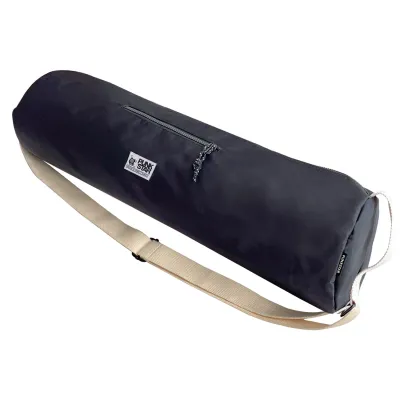
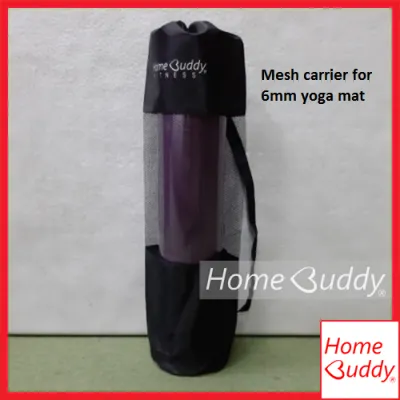
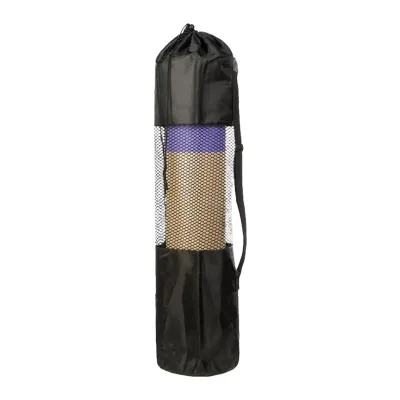
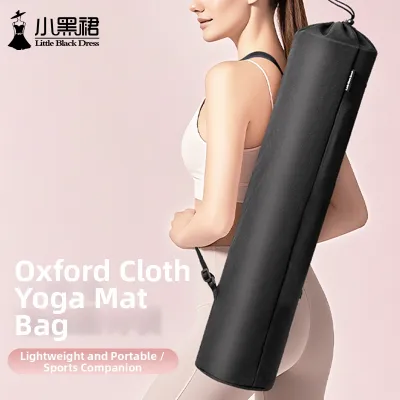
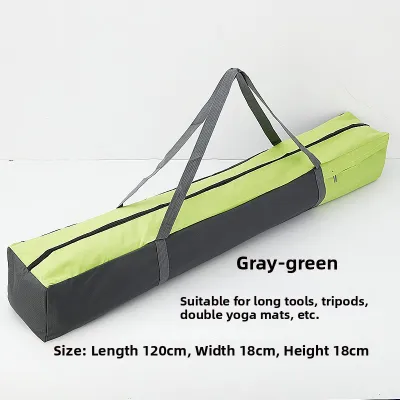
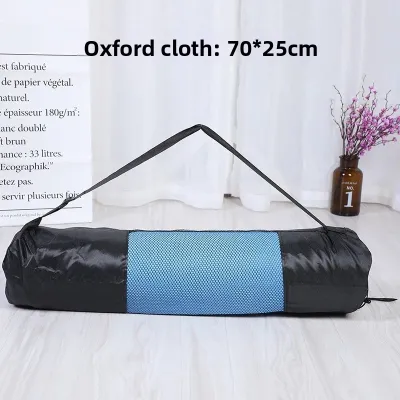
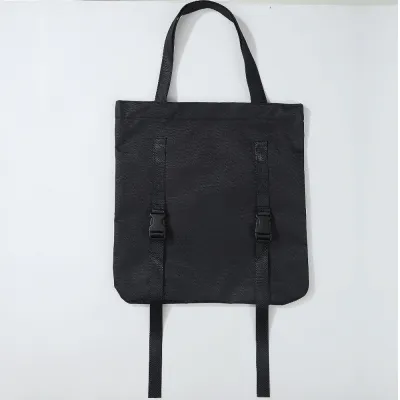
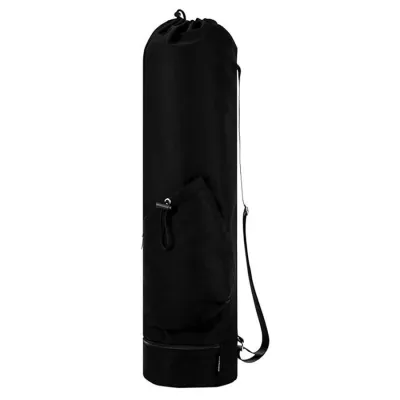
Prices are valid at publication and may change. Please refer to the product page for the latest price.
How Brand Variations Affect Bag Length and Opening Size
Beyond thickness, brand-specific variations in mat length and width play a major role in bag compatibility. While the traditional standard for a yoga mat is approximately 173 centimeters long and 61 centimeters wide, many modern brands deviate from these dimensions. It is common to find extra-long mats stretching up to 185 centimeters, and extra-wide mats extending to 68 or 71 centimeters. If you own one of these oversized models, a standard bag will either leave the end of your mat exposed or make it impossible to close.

The design of the bag’s opening is equally important when dealing with non-standard dimensions. Top-loading drawstring bags require you to slide the mat in vertically, which can be highly frustrating if the mat’s width closely matches the bag’s length. In contrast, bags featuring a full-length zipper allow the bag to open completely flat, making it much easier to place a wider mat inside without scraping the edges. When shopping, always prioritize checking the specific internal centimeter measurements listed by the manufacturer rather than relying on universal “fits all” marketing claims.
Choosing the Right Bag Style for Your Mat's Physical Profile
Matching your mat’s physical profile to the correct bag style ensures both convenience and comfort during your daily commute. Tube-style bags are highly streamlined and lightweight, making them an excellent choice for standard-length mats of thin-to-medium thickness. If you frequently navigate crowded public transport systems, such as the MRT in Singapore, a compact tube bag with a single shoulder strap keeps your gear close to your body and out of the way of other commuters.
For extra-thick, heavy, or extended-length mats, a backpack or tote-style bag is generally a much better option. Tote bags feature wide, open tops that easily accommodate bulky rolls, while specialized yoga backpacks distribute the weight of heavy natural rubber mats evenly across both shoulders to prevent muscle strain. Additionally, pay close attention to fabric properties and strap adjustability. In warm, humid climates, choosing a bag made from breathable canvas or water-resistant polyester is essential. A water-resistant exterior protects your mat from sudden tropical downpours, while adjustable compression straps allow you to tighten the bag around different mat sizes, preventing the load from shifting while you walk.
Step-by-Step Guide to Measuring and Verifying Compatibility
To guarantee a perfect fit before making a purchase, follow this straightforward physical verification process:
- Step 1: Roll and measure your mat. Roll your mat as tightly as you normally would after a sweaty practice session. Use a soft measuring tape to record two key dimensions: the total length of the rolled cylinder (which corresponds to the mat's width) and the diameter of the circular end.
- Step 2: Identify the bag's internal dimensions. Search the product specifications for the bag's internal length and internal diameter. Be careful not to rely on external dimensions, which often include outer pockets, straps, or decorative trim that do not contribute to the actual carrying capacity.
- Step 3: Factor in a clearance margin. Always allow for a 1 to 2 centimeter clearance margin between your mat's measurements and the bag's internal dimensions. This buffer is crucial for easy insertion and removal, particularly if your mat has a high-grip surface that naturally resists sliding against fabric.
Frequently Asked Questions (FAQ)
Can I use a standard yoga mat bag for an extra-thick or oversized mat?
Standard yoga mat bags are typically designed to fit mats up to 5mm thick and 61cm wide. Attempting to use one for an extra-thick (6mm to 10mm) or oversized mat usually results in a tight fit that strains the seams, prevents zippers from closing, or leaves the mat partially exposed. For larger mats, it is essential to select a bag specifically labeled for extra-large or thick mats, verifying the internal diameter before buying.
Does the material of the yoga mat affect how it fits in a bag?
Yes, the material of your mat directly influences how easily it slides into a bag. High-grip materials, such as natural rubber or polyurethane (PU), create significant friction when they come into contact with the inner lining of a bag. If you use a high-traction mat, look for a bag with a full-length zipper or a smooth, water-resistant interior lining to prevent the mat from sticking and bunching during packing.

Community discussion
Share your experience or ask a question. Comments are reviewed before publication.