
Finding the right yoga mat for men requires matching thickness, material density, and dimensions to your specific body type and practice style. Rather than relying solely on brand popularity, taller and heavier practitioners must evaluate technical specifications to ensure adequate joint support, stability, and surface area. Standard mats often leave larger frames spilling onto the floor, while low-density foam compresses completely under higher body weights, leading to joint discomfort. By matching your height to extra-long dimensions and your weight to high-density materials, you can secure the necessary stability and joint protection for your practice.
Identifying Your Physical Requirements Based on Body Type
Height is the first critical factor to evaluate when selecting a mat. Standard yoga mats typically measure around 173 cm in length, which is often insufficient for taller practitioners. If you are over 180 cm tall, your head, hands, or feet will likely slip off the mat during common poses like Downward-Facing Dog, Savasana, or Cobra. To prevent this, look for extra-long specifications, often labeled as “XL” or “Long” by manufacturers, which typically measure between 200 cm and 215 cm. This extra length ensures your entire body remains on a clean, supportive surface throughout your practice.
Weight and body mass require a deeper look at material density rather than just thickness. Heavier practitioners exert more localized pressure on the mat, particularly through the knees, elbows, and wrists. A common mistake is choosing a thick but low-density foam mat, which easily bottoms out under pressure. When a mat bottoms out, your joints press straight through the foam to the hard floor, defeating the purpose of the cushioning. High-density materials resist this compression, distributing your weight evenly and protecting sensitive joints.
Products mentioned in this guide
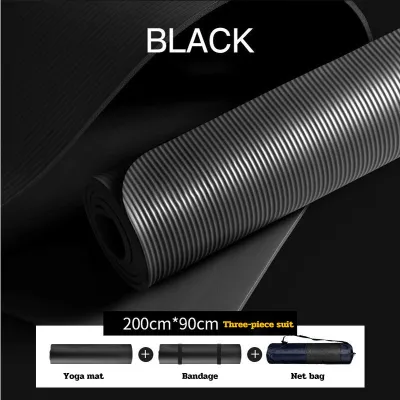
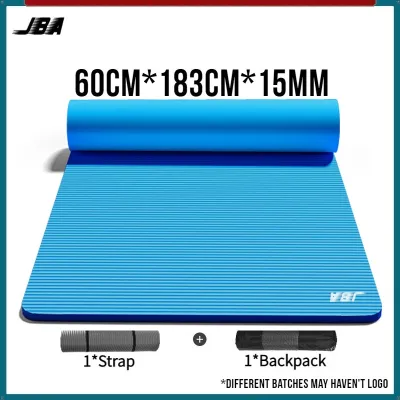
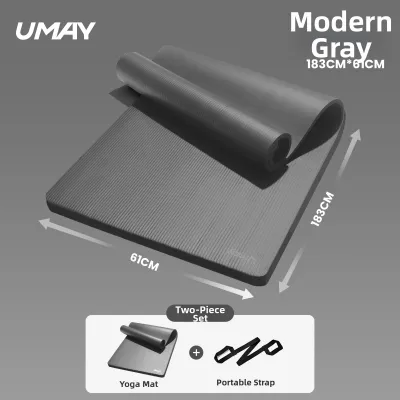
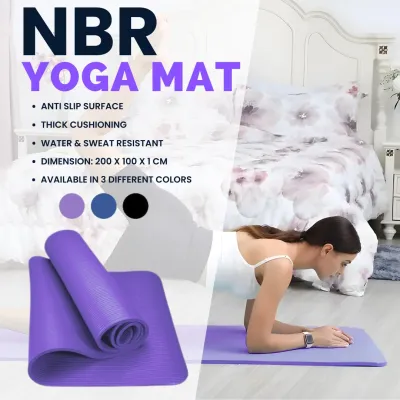
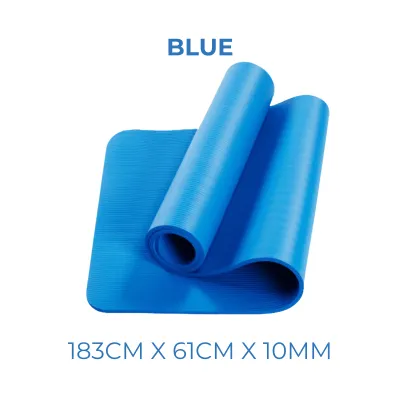
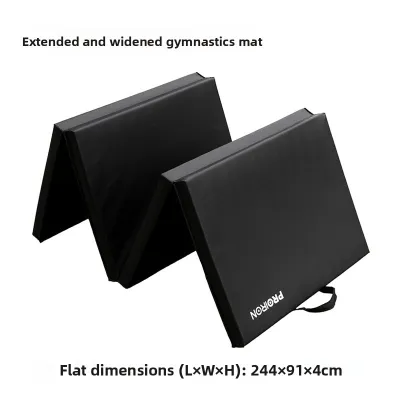
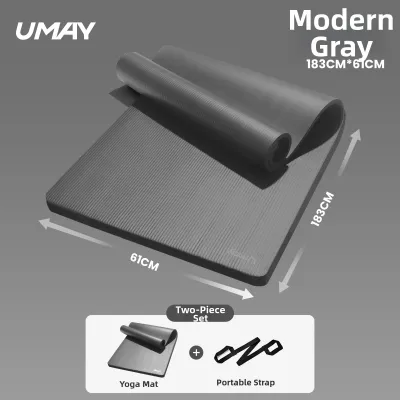
Prices are valid at publication and may change. Please refer to the product page for the latest price.
Shoulder and frame width also dictate the ideal mat width. Standard 61 cm wide mats can feel highly restrictive for men with broader shoulders. During planks, push-ups, or downward dogs, a narrow mat forces your hands into cramped, unnatural positions, which can strain the wrists and shoulders over time. Upgrading to an extra-wide mat, which typically measures between 66 cm and 80 cm, allows for a natural, shoulder-width alignment. This simple adjustment improves overall stability, posture, and comfort during transitions.
Comparing Thickness Levels Across Yoga Styles
Thin mats, ranging from 1.5 mm to 3 mm, are highly portable and excellent for dynamic, balance-heavy styles like Ashtanga or Vinyasa. They provide direct ground feedback, which helps with stability during standing balances. However, for a heavier practitioner, a thin mat offers virtually no cushioning. If you choose a thin mat for travel or stability, verify that it is made of ultra-dense natural rubber to prevent joint discomfort during floor poses.

Medium mats, typically 4 mm to 5 mm thick, represent the sweet spot for most male practitioners. This thickness offers a balanced combination of joint cushioning and floor connection. High-density 5 mm mats provide enough resistance to support heavier frames without creating a “squishy” surface that compromises balance during standing poses like Tree Pose or Warrior III. This versatility makes them ideal for general practice, hot yoga, and strength-focused routines.
Thick mats, measuring 6 mm and above, are ideal for restorative, Yin, or floor-heavy practices where poses are held for long periods. While they offer excellent comfort for sensitive knees and the spine, thick mats can make standing balances challenging because the foot sinks into the material. If you require a thick mat, check the manufacturer’s guidelines for foam recovery rates and compression limits to ensure the mat does not permanently deform under your weight.
How to Evaluate Brand Specifications for Larger Frames
When comparing brands, look past marketing buzzwords and focus on material composition. Natural rubber is extremely dense, heavy, and offers excellent dry grip. It resists bottoming out under heavier loads but can be heavy to carry and may have a natural latex scent. Polyvinyl Chloride (PVC) is highly durable and offers excellent compression resistance if it is a high-density closed-cell variety. It is easy to clean but can be slippery when wet unless textured. Thermoplastic Elastomer (TPE) is lightweight and eco-friendly, but generally less dense than natural rubber or high-grade PVC. Heavier practitioners may find TPE mats compress too easily and wear out faster under high-use conditions.
Surface texture and wet grip are equally important, especially in warm, humid climates like Singapore, where sweat can quickly turn a smooth mat into a slipping hazard. Larger hands and feet generate more sweat and friction. Look for open-cell polyurethane top layers or textured natural rubber surfaces that maintain traction even during high-sweat sessions. Avoid smooth, non-textured mats that rely solely on dry friction, as they can become dangerously slippery.
Before purchasing, verify the stated weight capacities, density metrics, or structural warranties on product labels or official brand websites. Do not rely on generic marketing terms like “extra thick” or “premium support.” Check the product specifications for actual weight; denser mats are heavier, often weighing over 3 kg. Investing S$80 to S$150 in a high-density mat with verified specifications ensures durability and long-term joint protection.
Decision Matrix: Matching Your Profile to the Right Mat
To simplify your choice, use this conditional framework based on your physical profile and practice style:
- Tall and Dynamic (Vinyasa/Ashtanga): Choose a dense, extra-long (200 cm+) mat with a thickness of 4 mm to 5 mm. Natural rubber is highly recommended here for its superior grip and stability during rapid transitions.
- Heavier and Floor-Focused (Yin/Restorative): Opt for a high-density 6 mm mat. Ensure the material is dense PVC or natural rubber rather than soft, low-density foam, so your joints do not bottom out during long-held floor poses.
- Broad-Shouldered and General Practice: Prioritize extra-wide dimensions (70 cm to 80 cm) with a standard 5 mm thickness to allow natural alignment without sacrificing stability.
Always verify if the brand lists the mat’s actual weight and density before purchasing. If a mat is advertised as 6 mm thick but weighs less than 1 kg, it is likely made of low-density foam that will compress completely under a larger frame. Neither option may fit if the mat lacks adequate width for broader shoulders or uses low-density foam that compresses entirely under your weight.
Frequently Asked Questions (FAQ)
Do heavier practitioners need to replace their yoga mats more often?
Yes, heavier loads accelerate the mechanical wear on yoga mats, especially in high-pressure contact zones like where the hands and feet rest during Downward Dog. Perform regular visual checks for thinning areas, permanent indentations that do not bounce back, or a loss of surface traction. To extend the lifespan of your mat, follow the manufacturer’s care instructions, avoid exposing natural rubber to direct sunlight, and clean it with recommended solutions rather than harsh household detergents.
Can I use a standard fitness mat instead of a dedicated yoga mat?
Standard fitness or gym mats are typically designed for high-impact, shoe-wearing exercises and are often too thick, squishy, or slippery for barefoot yoga. They lack the specific surface traction required to prevent hands and feet from sliding apart during poses. Furthermore, their high-squish factor compromises ankle stability during standing balances. A dedicated yoga mat provides the necessary density, flat surface, and grip to keep you safe and aligned.

Community discussion
Share your experience or ask a question. Comments are reviewed before publication.