
Finding the right yoga mat for men involves balancing body weight, joint comfort, and stability. While a standard 4mm to 6mm mat is often recommended, physical thickness is only half the equation. If you have a heavier frame or sensitive joints, a mat that is too soft will compress completely, leaving you pressing directly against a hard floor. To make the right choice, you must evaluate both the millimeter profile and the material density to ensure the mat supports your weight without compromising your balance.
Why Thickness Alone Does Not Guarantee Support
When shopping for a yoga mat for men, it is easy to assume that a thicker mat automatically provides better cushioning. However, physical thickness and material density are two entirely different specifications. A mat can be 10mm thick but made of a low-density, lightweight foam that collapses instantly under pressure. For a male practitioner with a heavier build, this means your knees, elbows, or tailbone will push straight through the foam to the hard floor beneath.
High-density materials, such as natural rubber or dense polyurethane (PU), offer much greater resistance to compression. Even at a slimmer profile of 4mm or 5mm, a high-density mat can provide superior joint protection compared to an 8mm low-density polyvinyl chloride (PVC) or thermoplastic elastomer (TPE) mat. The dense material distributes your body weight more evenly across the surface, preventing your joints from sinking all the way down.
Products mentioned in this guide
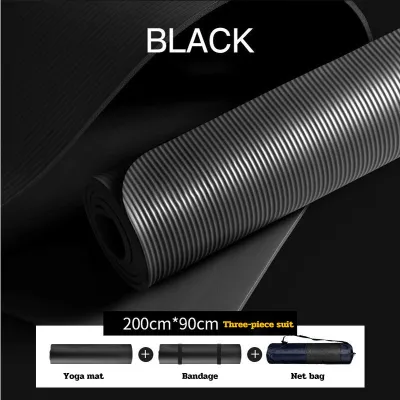
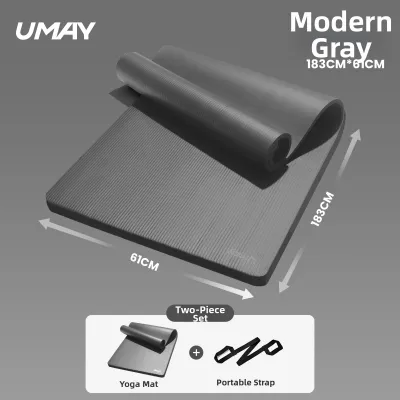
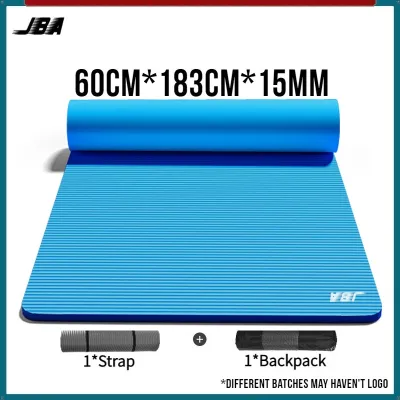
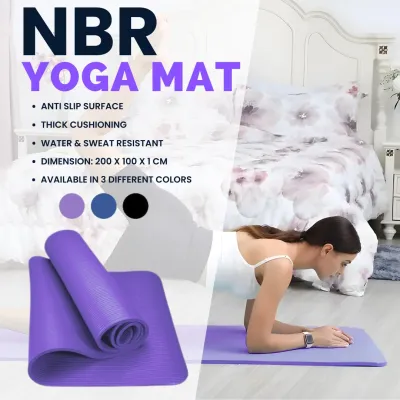
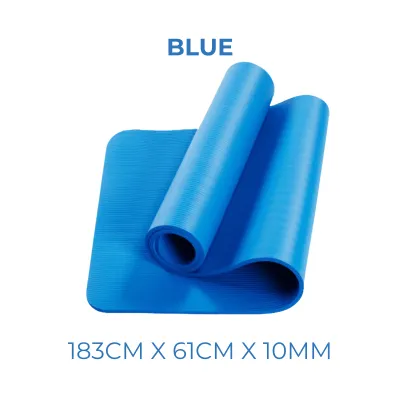
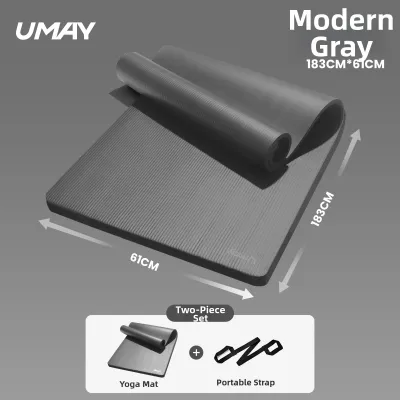
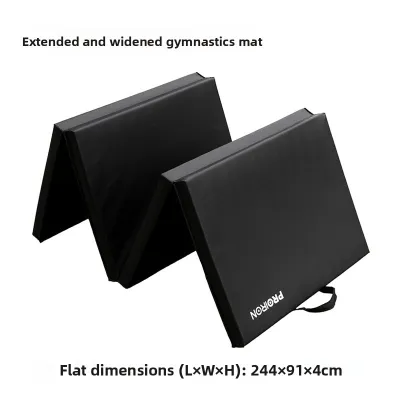
Prices are valid at publication and may change. Please refer to the product page for the latest price.
To find a supportive option, look closely at the manufacturer’s material specifications. Dense mats are typically heavier; a high-density natural rubber mat of standard size often weighs over 2.5 kilograms. If a product description highlights a “lightweight” feel for an exceptionally thick mat, it is highly likely to be a low-density foam that will compress easily under a heavier frame.
How to Evaluate Thickness Based on Your Body Weight
Your body weight directly influences how a yoga mat behaves during your practice. The most common issue heavier practitioners face is “bottoming out.” This occurs when you place your full weight on a single point—such as during a low lunge or a plank—and feel the hard subfloor directly through the mat. In Singapore, where home floors are typically made of hard ceramic tiles or polished parquet, bottoming out can quickly lead to joint discomfort and interrupt your focus.

To counter this, you might be tempted to buy the thickest mat available, such as a 12mm Pilates or fitness mat. However, excessively thick and soft mats introduce a major trade-off: instability. When you stand on a thick, squishy surface, your ankles and feet must constantly micro-adjust to keep you upright. For heavier users, this instability is magnified, making standing balance poses like Tree Pose or Warrior III incredibly difficult and potentially straining your ankles.
A practical approach is to match your weight to a corresponding density and thickness range. If you weigh under 80 kilograms, a standard 4mm to 5mm high-density mat generally offers an ideal balance of cushioning and floor connection. If you weigh over 80 kilograms, you should prioritize a 5mm to 6mm mat made of high-density natural rubber or specialized dense polymer. Always check product specifications or user feedback to verify how the mat performs under higher weight loads before making a purchase.
Balancing Joint Cushioning With Pose Stability
Selecting the right thickness also depends heavily on the style of yoga you practice and your specific joint needs. Restorative, Yin, or gentle hatha practices involve holding floor poses for extended periods. For these styles, a slightly thicker, more cushioned mat is highly beneficial to protect your knees, spine, and hips from prolonged pressure.
Conversely, dynamic or balance-heavy styles like Vinyasa, Ashtanga, or Power yoga require a firm, stable connection to the ground. In these practices, a thinner, firmer mat (around 4mm) allows your hands and feet to grip the floor securely, providing the feedback your nervous system needs to maintain alignment during rapid transitions. A mat that is too thick can cause your wrists to sink at an awkward angle during hand-supported poses like Downward-Facing Dog, leading to wrist fatigue or strain.
If you have specific joint sensitivities—such as sensitive knees or wrists—but still want to practice dynamic yoga, do not sacrifice overall mat stability by choosing an overly thick, soft mat. Instead, use targeted props to provide localized cushioning only where you need it. Placing a folded yoga towel, a small foam knee pad, or doubling over your existing mat during specific poses can protect your joints without compromising your balance during the rest of your session.
Practical Ways to Test Mat Support Before Committing
Before finalizing your purchase, there are several practical ways to verify if a mat offers the right level of support. If you are shopping in a physical sporting goods store, ask to unroll the mat on the floor. Test it by kneeling on one knee; if you can feel the hard floor pressing directly against your kneecap, the mat is either too thin or lacks the necessary density for your body weight.
Another effective test is to stand on one foot on the mat. Pay attention to how much your foot sinks and whether your ankle feels wobbly. A supportive mat should feel firm underfoot, allowing you to maintain a solid connection to the ground without feeling like you are standing on a mattress.
If you are purchasing online, pay close attention to the retailer’s return and exchange policies. Ensure you can return the mat if it does not provide adequate support during a dry, clean test run at home. Additionally, filter online customer reviews using terms like “heavy,” “weight,” “knees,” or “cushioning” to see how other male practitioners of similar builds rate the mat’s durability and compression resistance over time.
Frequently Asked Questions (FAQ)
Is a thicker yoga mat always better for heavier practitioners?
No, a thicker mat is not always better. A thick mat made of low-density foam will compress completely under a heavier frame, offering very little actual joint protection while making standing balance poses highly unstable. For heavier practitioners, material density and firmness are far more important than physical thickness. A high-density 5mm or 6mm mat will provide much better support and stability than a low-density 10mm mat.
Should I buy a thicker mat if my knees hurt during yoga?
While a slightly thicker, high-density mat can help reduce knee discomfort, buying an excessively thick, soft mat can compromise your overall stability and alignment. Instead of choosing a thick, squishy mat, consider using a standard 5mm high-density mat and supplementing it with targeted props. Placing a folded towel or a dedicated yoga knee pad under your knees during floor poses provides localized cushioning without sacrificing your balance during standing poses.

Community discussion
Share your experience or ask a question. Comments are reviewed before publication.