
Finding the right yoga mat thickness in Singapore requires balancing your personal practice style, joint comfort, and portability needs. The thickness of your mat directly impacts how stable you feel during standing balances and how much cushioning your knees and wrists receive during floor postures. While standard mats typically range from 3mm to 5mm, options in local stores and online marketplaces span from ultra-thin 1mm travel sheets to plush 8mm fitness mats. Navigating these options involves understanding how different brands categorize their lineups and verifying how material density alters the actual feel underfoot.
To make an informed decision, you must look beyond simple millimeter measurements. A thicker mat is not automatically better, nor is a thin mat inherently less supportive. Your choice should align with whether you practice high-energy Vinyasa flow, alignment-focused Iyengar, or restorative Yin yoga. By evaluating how popular brands structure their thickness options and considering factors like weight and material composition, you can select a mat that supports your practice without adding unnecessary bulk to your daily commute.
Understanding Yoga Mat Thickness and Practice Styles
The fundamental trade-off in yoga mat thickness lies between stability and cushioning. Thinner mats, generally between 1.5mm and 3mm, keep your feet and hands closer to the hard floor, which provides a solid, non-squishy foundation for standing balances and active transitions. Conversely, thicker mats, ranging from 5mm to 8mm, offer a generous barrier of padding that absorbs impact and reduces pressure on sensitive pressure points. Finding your ideal thickness requires identifying where your primary practice falls on this spectrum.
Products mentioned in this guide
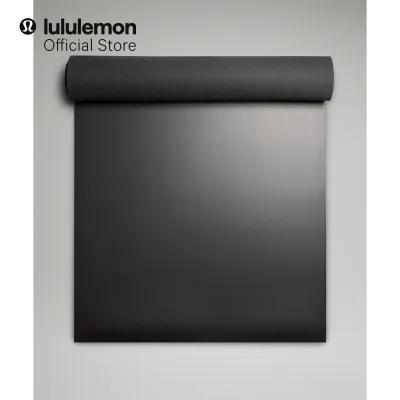
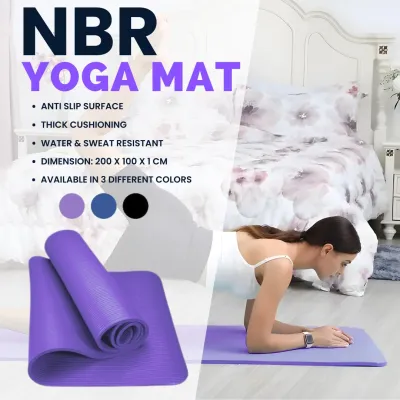
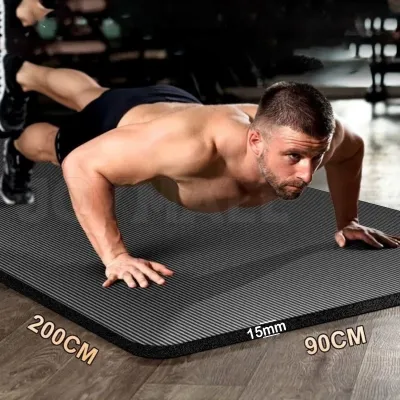
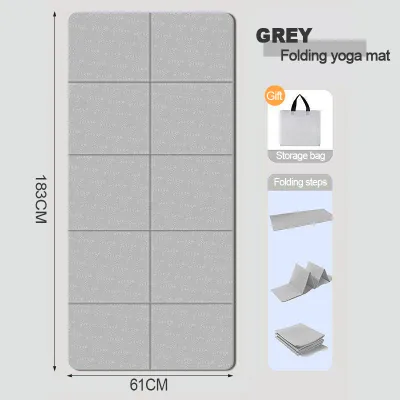
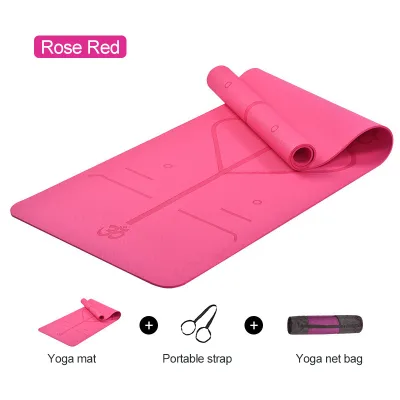
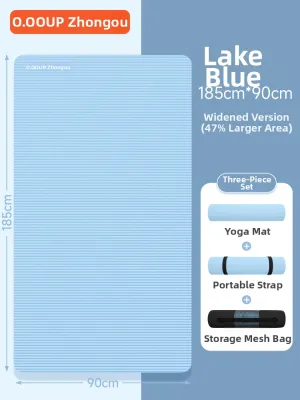

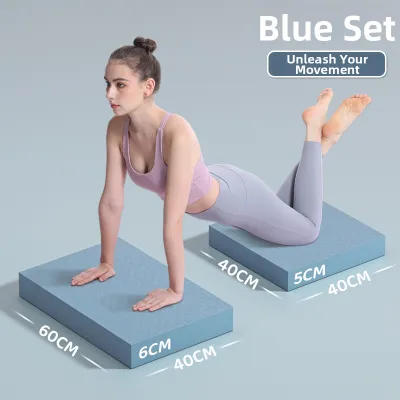
Prices are valid at publication and may change. Please refer to the product page for the latest price.
Active, flow-based styles like Vinyasa, Ashtanga, and Power Yoga benefit significantly from standard-thickness mats, typically around 3mm to 5mm. These practices involve rapid transitions, jump-backs, and standing sequences where any instability can compromise your alignment or strain your ankles. A standard mat provides just enough cushioning to protect your joints during occasional floor work while maintaining a firm, predictable surface for dynamic movements.
For slower, floor-based practices such as Yin Yoga, Restorative Yoga, or deep stretching, a thicker mat of 5mm to 6mm or more is often highly beneficial. These styles require you to hold passive postures for several minutes at a time, placing prolonged pressure on your knees, elbows, hips, and spine. The extra cushioning helps prevent discomfort during these extended holds, allowing your body to relax fully into the poses without the distraction of a hard floor pressing against your bones.
Beyond the style of yoga, your personal physical attributes and joint sensitivity should guide your thickness selection. Practitioners with sensitive knees, wrists, or past joint injuries often find that standard mats do not provide sufficient comfort, necessitating a step up to a thicker or denser option. Additionally, your body weight plays a role; heavier individuals compress the mat material more deeply and may require a slightly thicker or higher-density mat to avoid bottoming out against the floor.
Comparing Thickness Ranges Across Popular Brands
When exploring the market in Singapore, you will notice that popular brands organize their products into distinct thickness tiers to cater to different lifestyles. These categories generally fall into travel or ultra-thin mats (1mm to 2mm), standard or studio mats (3mm to 5mm), and extra-thick or professional mats (6mm to 8mm). Understanding these brand-specific categories helps you narrow down your search based on whether you practice primarily at home, in a local studio, or while traveling.

Travel mats are designed for maximum portability and are often thin enough to be folded into a backpack or suitcase. Brands that cater to commuters and travelers frequently offer mats in the 1mm to 1.5mm range, which can also double as a hygienic cover over a shared studio mat. While these ultra-thin options are incredibly lightweight, they offer virtually no cushioning, making them less suitable as a primary mat for practitioners who require joint support.
Standard or studio mats represent the most versatile category and are the flagship offerings for most major brands. These mats typically measure between 3mm and 5mm, balancing portability with a reasonable level of cushioning. However, you should always verify the exact millimeter measurements on the manufacturer’s product labels, as one brand’s “standard” mat might be 3mm while another’s is 4.5mm, resulting in a noticeably different feel during practice.
Extra-thick and professional-grade mats, usually measuring 6mm or more, are engineered for maximum joint protection and durability. Some premium brands focus heavily on this niche, utilizing high-density materials that provide substantial support without feeling overly soft or spongy. Other budget-friendly brands offer extra-thick mats made from lighter, foam-based materials, which provide excellent initial softness but may compress easily under weight and offer less stability during standing poses.
Key Factors Beyond Thickness to Verify Before Buying
Millimeter measurements alone do not tell the full story of how a yoga mat will perform under pressure. The density of the material used in construction plays an equally critical role in determining both comfort and stability. For instance, a dense 4mm mat made from natural rubber or high-grade polyurethane can feel much more supportive and protective than a soft, low-density 6mm mat made from basic foam, which may bottom out completely under your knees.
Material composition also directly influences the weight of the mat, which is a vital consideration for anyone commuting to yoga studios in Singapore. Natural rubber and dense polyvinyl chloride (PVC) mats are exceptionally durable and supportive, but they can weigh upwards of three kilograms in standard or extra-thick sizes. If you regularly travel by public transport to your practice, carrying a heavy, dense mat can quickly become a chore, making a lighter thermoplastic elastomer (TPE) or a thinner rubber mat a more practical choice.
Grip and surface texture are additional specifications that interact with thickness to define your overall experience. A thick, cushioned mat is of little use if your hands and feet slip during a downward-facing dog. You should carefully verify the grip characteristics of different materials, noting that some require a “break-in” period or perform better under sweaty conditions, while others offer immediate dry grip but may wear down faster over time.
To ensure you get the performance you expect, always cross-reference manufacturer claims with user reviews on online marketplaces and independent forums. Look for feedback from users who share your practice style and body type, paying close attention to comments regarding how well the mat maintains its shape over months of use. Verifying these real-world observations helps you avoid mats that lose their cushioning or begin to flake and degrade prematurely.
How to Choose the Right Thickness for Your Needs
Selecting the right yoga mat thickness involves matching your physical needs and lifestyle to the right product category. To simplify your decision-making process, you can use a structured framework to evaluate which thickness range aligns with your daily routine. By identifying your primary practice environment and physical requirements, you can confidently select a mat that enhances your performance and comfort.
Choose a travel mat (1mm to 2mm) if you are constantly on the move, prioritize lightweight gear, or want a hygienic layer to place over rented studio mats. Choose a standard mat (3mm to 5mm) if you practice a mix of active and gentle styles, value a balance between stability and cushioning, and need a versatile mat that is relatively easy to transport. Choose an extra-thick mat (6mm or more) if you practice primarily at home, require maximum cushioning for sensitive joints, or focus on slow, restorative styles.
Verify first if your chosen mat’s weight and dimensions fit your carrying method before making a purchase. If you plan to commute with a dense 5mm mat, check if you have a sturdy bag with comfortable straps to distribute the weight. Additionally, if you have specific joint concerns or are recovering from an injury, verify with a healthcare professional or an experienced instructor whether a thicker mat or a secondary prop, such as a yoga knee pad, is the safer way to support your body.
Whenever possible, visit local physical stores in Singapore to test different mat thicknesses and materials in person before committing to an online purchase. Many specialty sports retailers and yoga studios display sample mats that you can touch, press, or even step on. Feeling the difference between a dense rubber mat and a lightweight TPE mat firsthand provides invaluable clarity that product descriptions and specifications alone cannot replicate.
Frequently Asked Questions (FAQ)
Can I use a thick yoga mat for standing balance poses?
Using an extra-thick or highly cushioned yoga mat can introduce significant challenges during standing balance postures like Tree Pose or Warrior III. The soft, compressible surface of a thick mat reduces sensory feedback from your feet and can cause your ankles to wobble as they constantly adjust to maintain equilibrium. If you find yourself losing balance on a thick mat, a practical workaround is to step off the mat onto the hard floor for balance-heavy sequences. Alternatively, choosing a high-density standard mat (around 4mm) offers a firmer, more stable foundation while still providing adequate cushioning for floor work.
Are travel yoga mats too thin for regular studio use?
Travel yoga mats, which typically measure between 1mm and 2mm, are generally too thin to serve as your sole source of support during regular, daily studio practice on hard floors. Because they prioritize packability and low weight, they do not offer the joint cushioning required for comfortable floor postures or repetitive transitions. However, they are excellent for regular studio use when layered directly on top of a rented or communal studio mat. This setup allows you to enjoy the hygiene of your personal mat surface while utilizing the underlying studio mat for the necessary cushioning and joint support.

Community discussion
Share your experience or ask a question. Comments are reviewed before publication.